


Creative Uses for Huge Iron-On Patches
Custom fashion is all about making bold statements, and nothing captures attention quite like huge iron on patches. Whether you are breathing new life into a thrifted find, repairing a damaged favorite, or creating a bespoke piece of streetwear, jumbo-sized appliques are the ultimate DIY game-changer.
While smaller patches are great for subtle accents, large iron patches act as the centerpiece of your garment. They offer a fantastic way to express your personality, showcase your brand, or simply add an artistic flair to an otherwise plain piece of fabric. However, working with extra-large patches requires a bit more technique than simply pressing down a hot iron for a few seconds.
In this comprehensive guide, we will explore the most innovative ways to use these massive embellishments, walk you through the precise application process, and share expert tips to ensure your designs stay firmly in place for years to come.
Creative Ways to Use Your Oversized Patches
The beauty of oversized embellishments lies in their versatility. You are not limited to just one style or one type of garment. Here are some of the best creative projects to tackle using huge iron on patches.
1. The Classic Statement Jacket
Customizing denim jackets with oversized motifs is arguably the most popular way to use large patches. The back panel of a jean jacket provides a perfect, flat canvas for showcasing intricate designs. Oversized embroidered back patches—whether they feature intricate floral skulls, retro band logos, or majestic animal artwork—instantly transform a generic jacket into a boutique-worthy fashion piece.
For the best results, center your patch between the shoulder seams and just above the waistline. This ensures the design moves naturally with your body and does not crease awkwardly when you sit down.
2. Upcycling and Clever Repairs
Clothing gets damaged, but a rip or hole does not mean your favorite piece belongs in the trash. Repairing large tears using decorative fabric backing is a sustainable and stylish solution. By placing a giant patch over a heavily torn knee on a pair of jeans or a shredded elbow on a canvas chore coat, you not only fix the garment but elevate its design. The patch acts as a structural reinforcement, turning an accidental tear into a deliberate style choice.
3. Streetwear and Biker Vests
Motorcycle culture has long embraced the power of the patch. If you are designing club gear or simply love the aesthetic, following a giant biker vest patch placement guide is crucial. Typically, a vest layout includes a top “rocker” (a curved patch at the shoulders), a bottom rocker, and a massive center patch (the “colors” or main logo). When dealing with these heavy-duty pieces, proper alignment and spacing are vital to achieving that authentic, symmetrical look.
4. Retro Collegiate Apparel
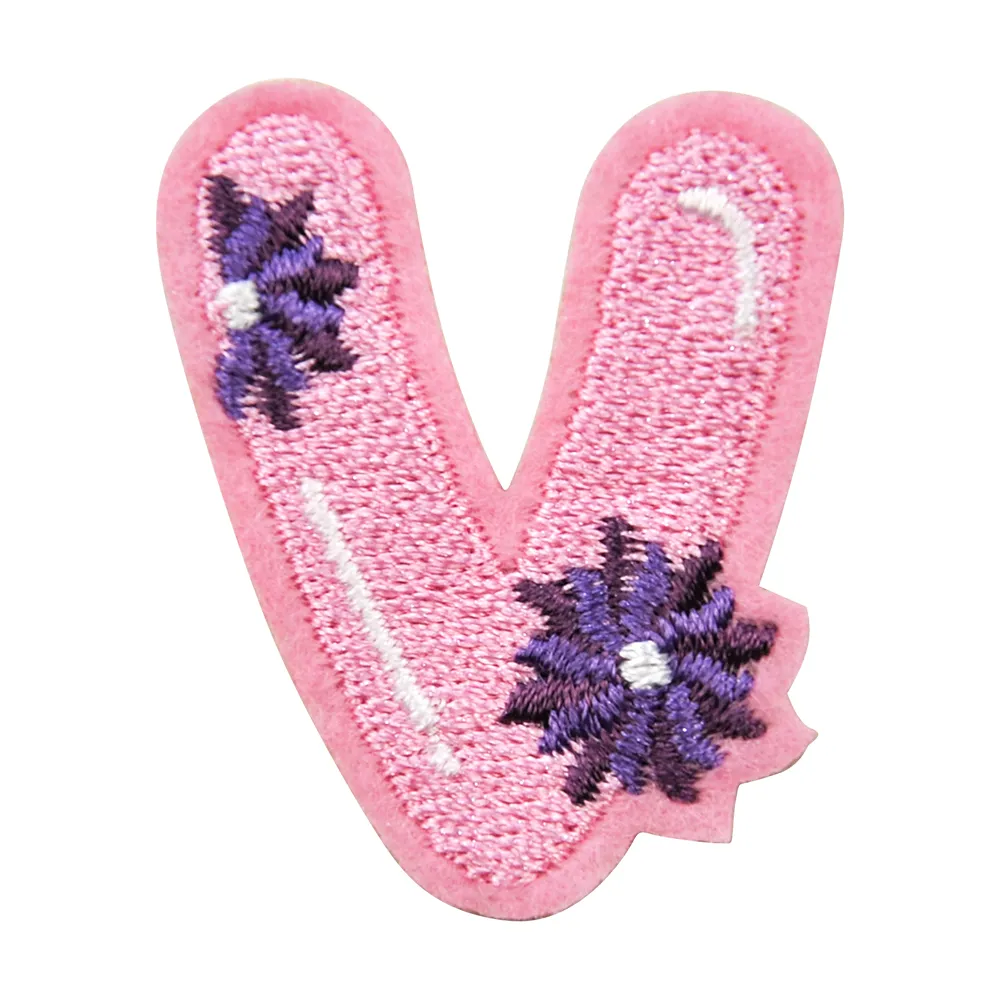
Preppy, collegiate fashion is back in a big way. You can easily recreate this look using vintage style oversized chenille varsity patches. These fuzzy, textured letters and mascots look incredible on the chest or back of a wool bomber jacket or a heavy cotton hoodie. Because chenille is thick and dimensional, these patches bring a premium, tactile quality to your DIY apparel.
Preparing for Application: Equipment and Materials
Learning how to apply large heat transfer appliques correctly is the difference between a garment that lasts a lifetime and a patch that falls off after one wash. Before you apply any heat, you must choose the right tools and fabrics.
Fabric Selection
Not all fabrics can handle the heat required to melt thick patch adhesive. The best fabric for heavy duty iron on designs includes sturdy, natural fibers like heavy cotton, denim, and canvas. These materials can withstand high temperatures without scorching and provide a slightly textured surface for the melted glue to grip.
Conversely, synthetic materials like polyester, nylon, or spandex can melt under high heat. If you must apply a patch to a windbreaker or a synthetic backpack, you should look into durable adhesive alternatives for synthetic materials, such as specialized fabric glues (like E6000) or high-strength double-sided fabric tapes, rather than relying solely on heat.
Heat Press vs. Standard Iron
When deciding between a heat press vs home iron for jumbo appliques, consider the size of your design. A standard home iron works well for small to medium patches, but there are maximum size limits for standard household irons. If your patch is larger than the iron’s soleplate, you will have to heat it in sections. This can lead to uneven adhesive melting and cold spots.
A heat press machine, on the other hand, delivers consistent, even temperature and pressure across the entire surface simultaneously. If you frequently work with huge iron on patches, investing in a heat press is highly recommended for professional-grade results.
The Step-by-Step Application Process
Once you have your garment and patch ready, it is time to permanently bond them together. Follow these steps carefully to ensure a flawless application.
1. Prep the Garment
Always wash and dry your garment beforehand to remove any sizing or fabric softeners, which can prevent the glue from sticking. Lay the garment perfectly flat on a hard, heat-resistant surface. An ironing board can sometimes be too soft for large patches; a wooden table covered with a thin cotton towel is often better.
2. Protect the Design
Particularly with large, intricately embroidered designs or delicate threads, you must protect the surface from direct heat. Utilize the parchment paper method for heat sensitive fabrics. Placing a sheet of high-quality parchment paper (or a thin, clean cotton cloth) over the patch prevents the iron from scorching the embroidery thread while allowing the heat to pass through to the adhesive.
3. Apply Heat and Pressure
You need to use the right temperature and pressure settings for thick adhesive. Set your iron to the highest heat setting your fabric can tolerate (usually the “Cotton” setting) and turn off the steam function. Moisture is the enemy of iron-on adhesive.
Press firmly down on the patch for 30 to 45 seconds. Do not move the iron back and forth like you are ironing a shirt; press and hold. If using a home iron on an extra-large patch, lift the iron and press down on the next section, overlapping slightly, until the entire patch has been heated.
4. Press from the Inside
Once the front is secure, turn the garment inside out and apply heat directly to the back of the patch for another 30 seconds. This draws the melting glue deep into the fibers of the garment, creating a much stronger bond. Allow the garment to cool completely—for at least 15 minutes—before moving it. Moving the fabric while the glue is still warm can break the bond.
Ensuring Longevity: Making Your Patch Last
Even with perfect heat application, massive patches are subjected to a lot of friction and movement. Taking a few extra precautions will keep your design looking pristine.
Securing the Borders
The biggest issue DIYers face is preventing edges from peeling on big patches. Because extra-large patches cover a wide surface area, the edges naturally catch on things—seatbelts, chair backs, or backpack straps.
To permanently solve this issue, you should always consider sewing over iron-on backing for extra security. You do not need to be a master tailor to do this. Once the iron-on adhesive has cooled and set, use a needle and heavy-duty thread to add a simple whip stitch or straight stitch around the perimeter of the patch. The iron-on glue acts as a fantastic basting method, holding the massive patch perfectly in place while you stitch, ensuring it never lifts or curls at the edges.
Proper Washing and Care
How you care for your custom garment will dictate how long the patch survives. Adhering to strict washing instructions for heat-bonded embroidery is non-negotiable.
- Wait Before Washing: Never wash the garment within the first 48 hours of applying the patch. The adhesive needs time to fully cure.
- Turn it Inside Out: Always turn the jacket or shirt inside out before throwing it in the wash. This protects the embroidery threads from snagging on other zippers or buttons in the load.
- Use Cold Water: Wash on a gentle, cold-water cycle. Hot water can reactivate the adhesive, causing the patch to loosen or slide.
- Air Dry Only: Keep your custom pieces out of the dryer. The intense, prolonged heat of a tumble dryer will melt the glue, causing the patch to peel off entirely. Always lay the garment flat to dry or hang it on a sturdy hanger.
Conclusion
Decorating with huge iron on patches is a highly rewarding way to express your creativity and customize your wardrobe. Whether you are using them to salvage a torn jacket, create a vintage varsity aesthetic, or design a heavy-duty biker vest, these oversized appliques carry an unmatched visual impact.
By taking the time to choose the right fabrics, mastering your heat and pressure settings, and adding a few reinforcing stitches, you can create professional-quality custom apparel right in your own home. So gather your jackets, pick out some massive, eye-catching patches, and start transforming your everyday clothing into wearable art!
Frequently Asked Questions (FAQ)
1. What fabrics are safe for applying huge iron-on patches?
| Safe (High Heat) | Risky (Low Heat or Alternative Method) |
|---|---|
| Heavy cotton (hoodies, t-shirts) | Polyester (melts under high heat) |
| Denim (jackets, jeans) | Nylon (very low melting point) |
| Canvas (tote bags, backpacks, chore coats) | Spandex / stretchy activewear |
| Heavy twill | Waterproof / coated fabrics |
For synthetic fabrics, use a heat press with lower temperature or switch to specialized fabric glue (e.g., E6000) or high-strength double-sided fabric tape. Always test a hidden area first.
2. What is the best method for applying oversized patches – heat press or household iron?
| Equipment | Best For | Limitation |
|---|---|---|
| Heat press machine | Patches larger than the iron’s soleplate; frequent use; professional results | Higher cost; requires space |
| Household iron | Small to medium patches; occasional DIY projects | Must heat in sections; risk of cold spots and uneven adhesion |
Iron application for jumbo patches:
Press in overlapping sections (lift, reposition, press again).
Ensure the entire patch receives 30–45 seconds of heat.
Always use a pressing cloth (parchment paper or thin cotton towel).
For the strongest bond, use the reverse press – turn garment inside out and press the back for an additional 30 seconds.
3. How do I prevent the edges of my huge patch from peeling?
Large patches have more exposed perimeter, making edges vulnerable to catching on seatbelts, chair backs, and straps.
Solutions:
Reinforce with stitches – After ironing, add a simple whipstitch or running stitch around the border using heavy-duty thread. The iron-on glue holds the patch perfectly in place while you sew.
Use a heat press – Even, consistent pressure across the entire patch reduces edge lifting.
Avoid high-friction placement – Keep patches away from areas that constantly rub (e.g., the bottom hem of a jacket or the lower back of a backpack).
4. What temperature and technique should I use for huge iron-on patches?
Iron setting – Cotton (highest safe setting for your fabric), steam OFF.
Pressing cloth – Always use parchment paper or thin cotton cloth.
Application steps:
Wash and dry garment (no fabric softener).
Pre-heat bare fabric for 5 seconds.
Position patch, cover with pressing cloth.
Press with firm pressure for 30–45 seconds – do not slide.
For irons smaller than the patch: lift, reposition, and press overlapping sections until the entire patch is heated.
Flip garment inside out; press the back for another 30 seconds.
Let cool completely (15 minutes minimum) before moving.
5. How do I wash garments with huge iron-on patches?
Follow these laundry rules to prevent peeling and fading:
Wait 48 hours before first wash – adhesive needs full cure time.
Turn garment inside out – protects patch from friction.
Wash cold, gentle cycle – hot water weakens adhesive.
Avoid fabric softeners and bleach – softeners leave residue that blocks glue.
Air dry only – never use a tumble dryer (high heat re-melts adhesive and causes peeling).
If a corner lifts after washing, re-press with a hot iron and pressing cloth for 10 seconds.
6. Can I use a huge patch to repair a large tear or hole?
Yes. This is a sustainable and stylish repair method for torn jeans, ripped jacket elbows, or damaged chore coats.
Preparation:
Trim any loose frayed threads around the tear.
Ensure the patch extends at least 1 inch beyond the damage on all sides.
Clean the area (no oils, dirt, or fabric softener residue).
Application:
Follow the standard heat-press method above.
The patch acts as structural reinforcement, sealing the tear and preventing further unraveling.
For heavy-use areas (knees, elbows), add a perimeter stitch after ironing for permanent security.
This technique turns an accidental tear into a deliberate, eye-catching design feature while extending the life of your garment.
