

Finding Chenille Patches in Your Area
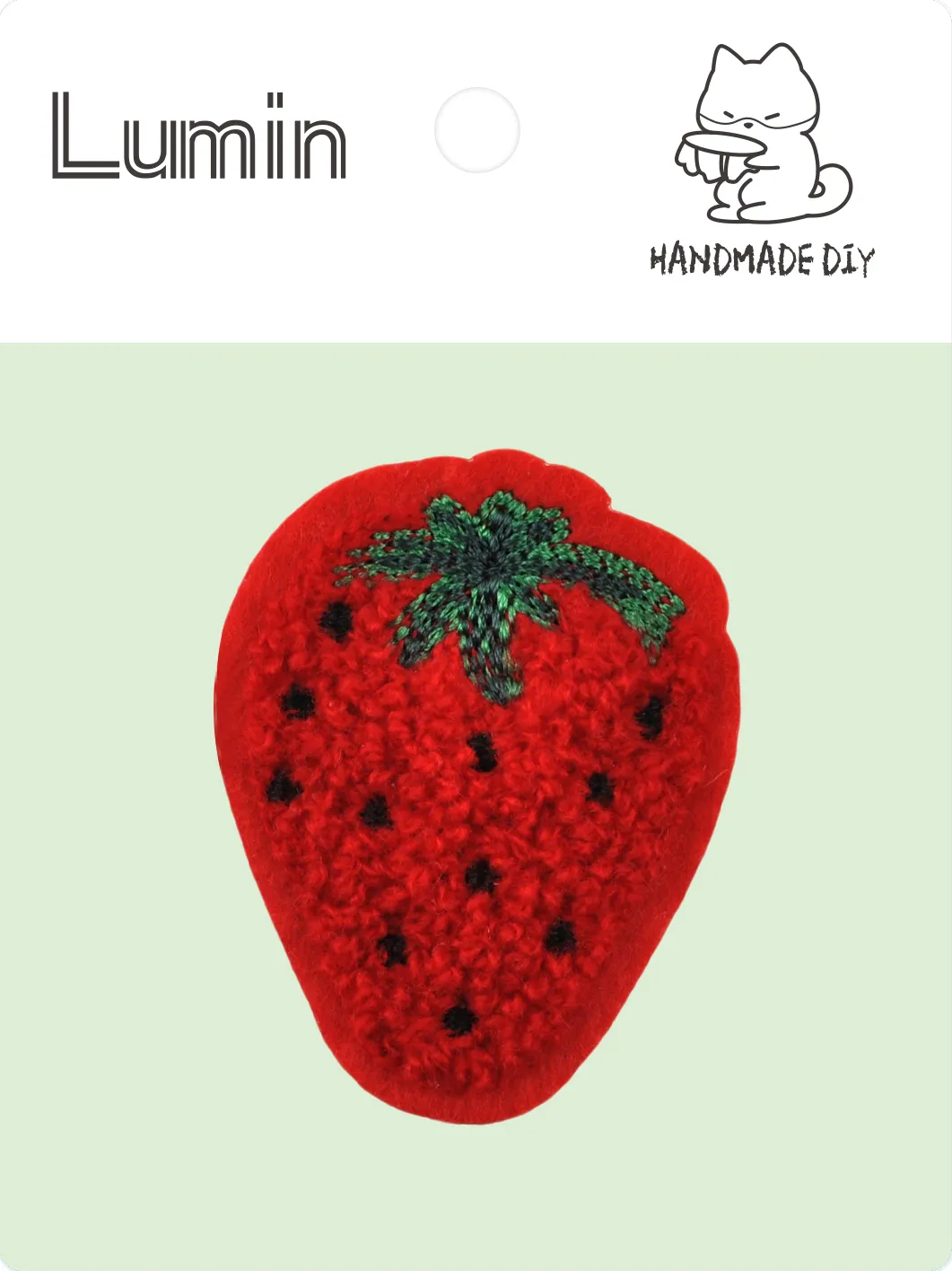
You know that classic, fuzzy 3D texture on your old high school outerwear? That soft, carpet-like material is called chenille, and it is making a massive comeback in modern custom branding. Unlike flat embroidered designs, varsity jacket chenille patches use tiny vaulted yarn loops to create a plush height that you instantly want to touch.
Typing “chenille patches near me” into a search engine usually means you want fast results without a frustrating three-week shipping delay. According to custom apparel experts, the greatest advantage of visiting a neighborhood shop is experiencing the tactile appeal of chenille patches firsthand. Holding the actual fabric in person guarantees a flawless color match for your specific project.
Securing a perfect design requires more than just a digital computer preview. This brings us to physical proofing, an industry term for sewing a single, real-world test sample before manufacturing your entire order. Always ask your local tailor for this tangible test run so you can verify the yarn loops are exactly right before committing your budget.

What Exactly is Chenille?
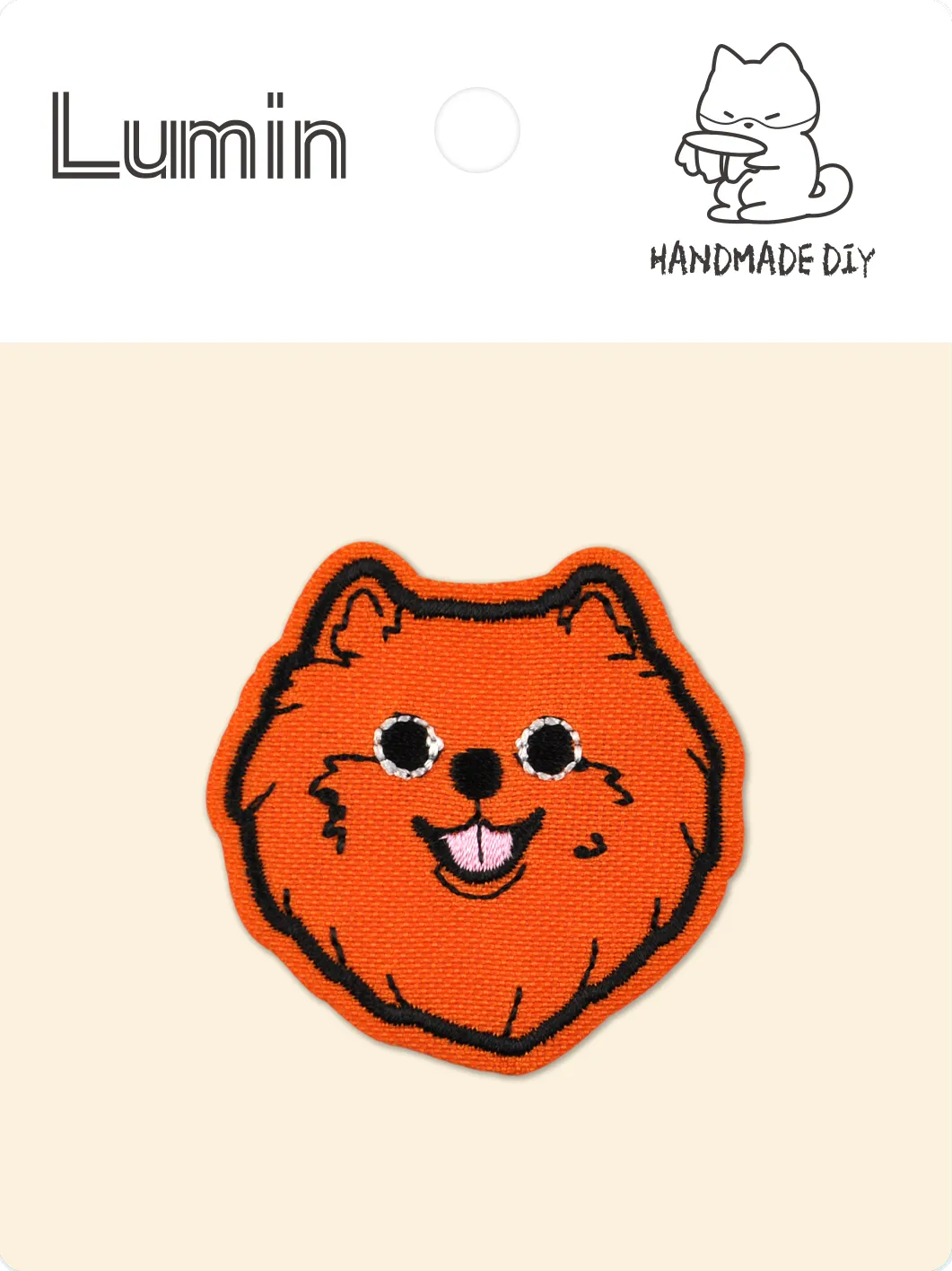
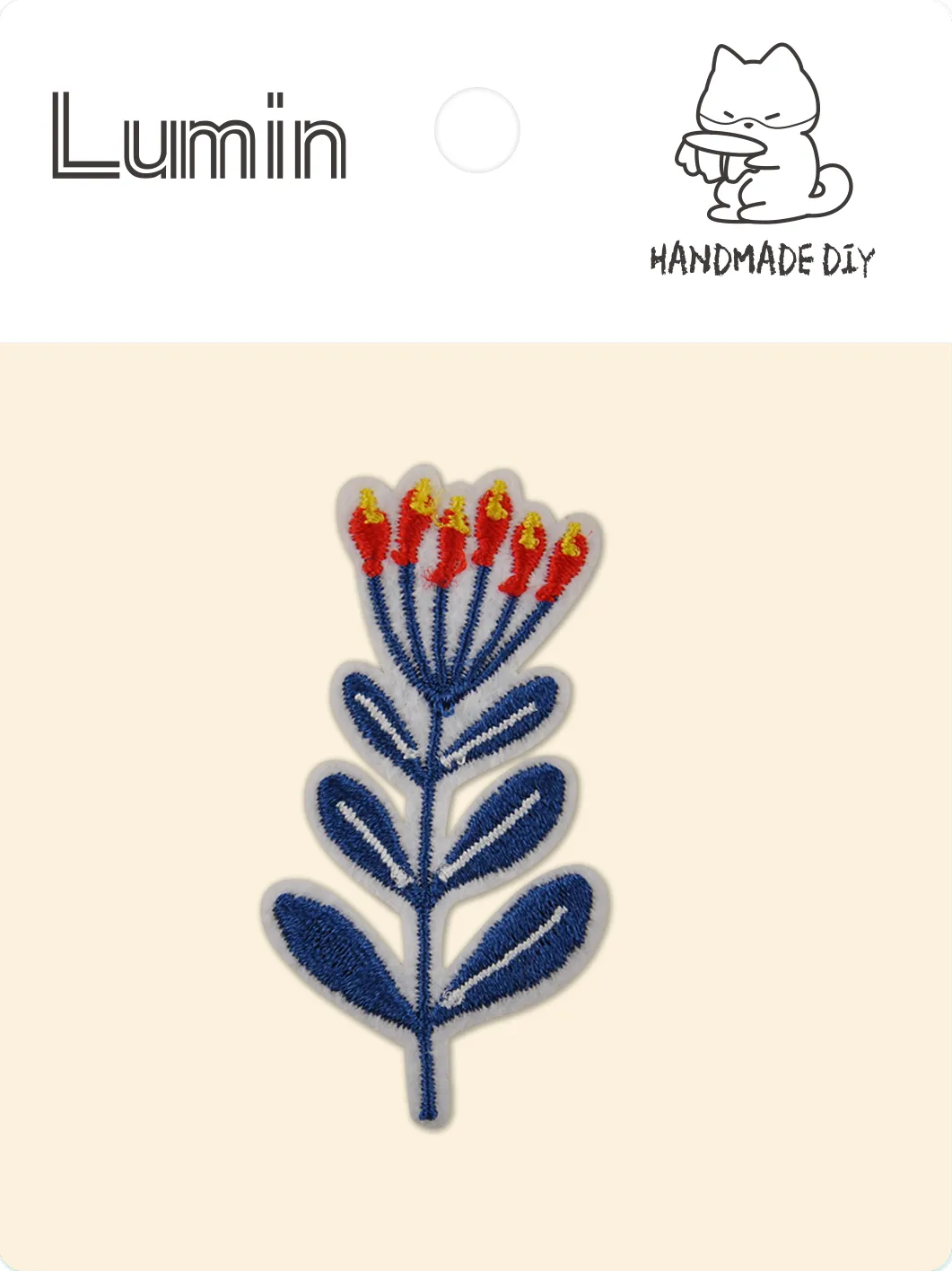
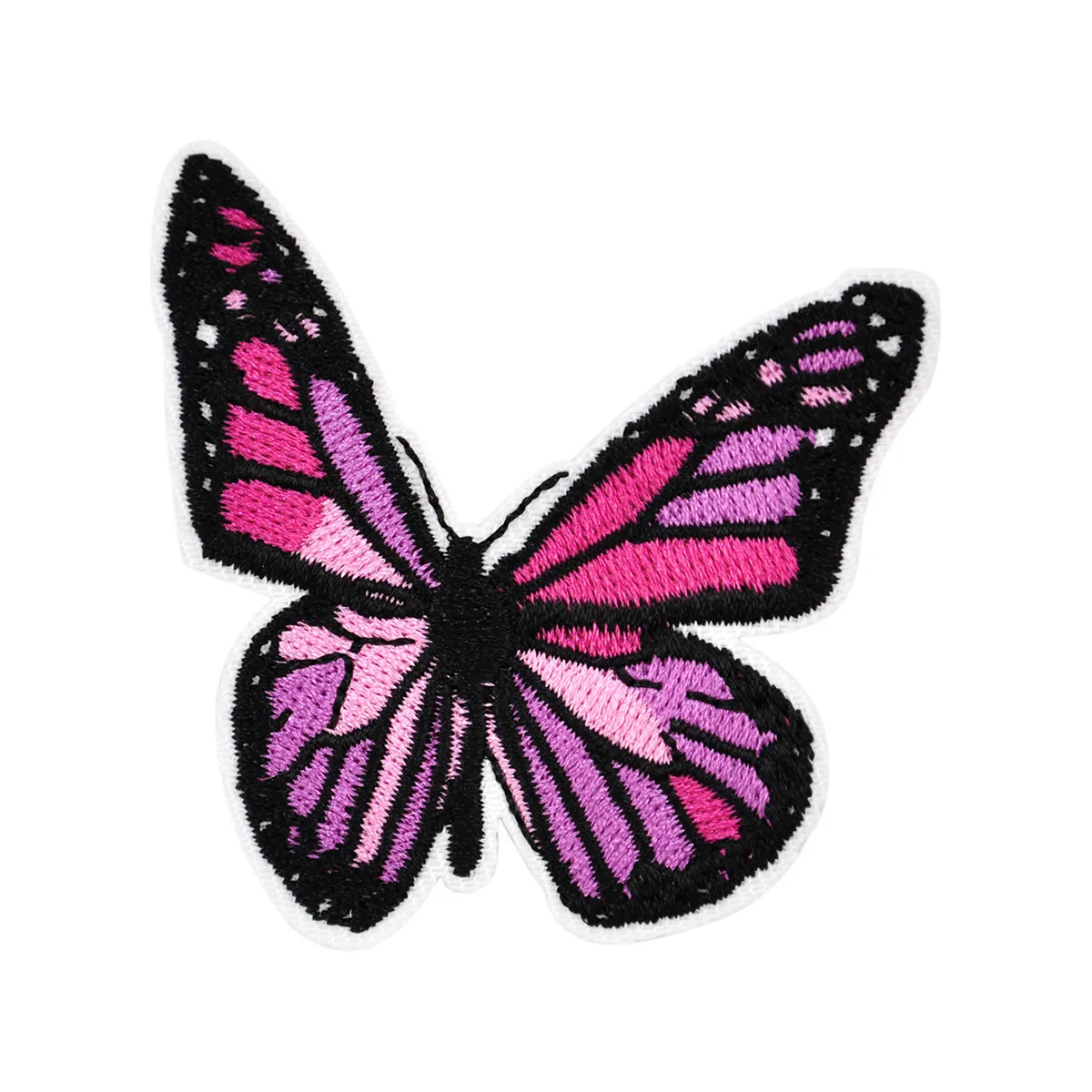
You already know standard patches are created by stitching thread tightly onto a base. However, chenille embroidery patches take this a step further by building a miniature, high-end rug right on your clothes. Instead of laying flat, specialized machines create vaulted yarn loops that stand straight up, giving the design its famous fuzzy, 3D texture.
To keep all that fluffy yarn locked securely in place, the loops are driven through a sturdy bottom layer known as a scrum, or felt backing. This thick felt acts as the structural foundation, preventing the yarn from unraveling while giving chenille fabric patches their distinct, stiff borders. Without this heavy-duty base, that classic varsity letter texture would simply pull apart in the wash.
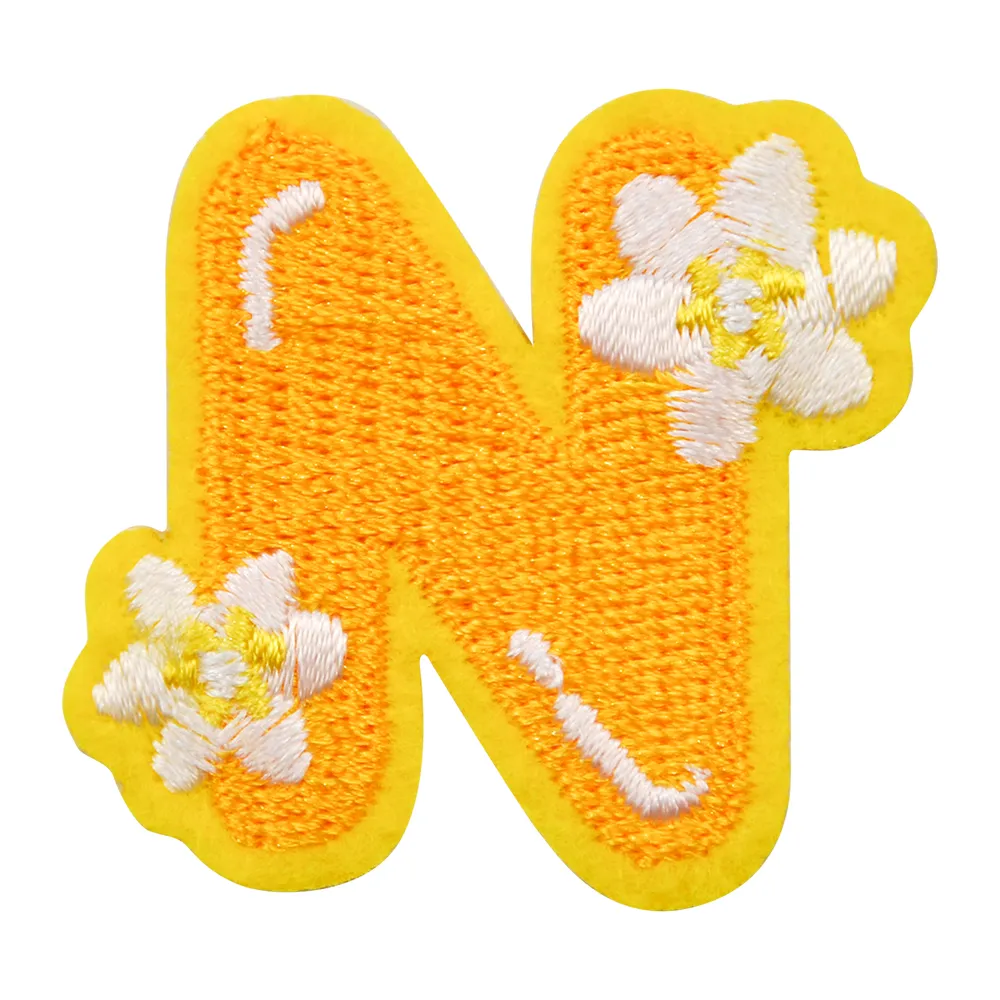
Because those vaulted loops take up physical space, this technique truly shines when applied to bold, uncomplicated designs. If you want a clean mascot silhouette or a single colorful initial, large chenille patches deliver incredible visual pop and softness. Conversely, tiny text or intricate details will simply get lost in the fuzz, meaning flat embroidery is a better choice for the fine print.
Constructing the top of your patch is only half the battle when planning your custom gear. Once you have that perfect 3D design in hand, you need to decide exactly how to securely attach it to your favorite garment or bag.
Iron-On vs. Sew-On: Choosing the Right Backing for Your Project
Attaching your fluffy new design depends entirely on your project’s lifespan. When comparing self-adhesive vs iron-on backing, think of self-adhesive as a heavy-duty sticker—perfect for a one-time weekend event or decorating a laptop. However, if you want your gear to survive the washing machine, you must step up to heat transfer chenille patches.
To match your backing method to your specific fabric, use this quick guide:
- Self-Adhesive: Best for temporary wear or hard surfaces like plastic and cardboard.
- Iron-On: Best for everyday cotton t-shirts or polyester blend hoodies.
- Sew-On: Best for thick fabrics like heavy denim jackets or leather vests.
Applying iron on chenille patches properly requires checking your garment’s care tag, since heat-press settings vary by fabric. Too much heat scorches delicate shirts, while too little won’t melt the adhesive layer enough to bond. Because iron on chenille patches only stay put when made with premium materials, sourcing from a high-quality local embroidery shop is essential.
How to Spot a High-Quality Local Embroidery Shop
Finding the perfect partner starts with checking their order requirements. Many local embroidery shops for custom apparel cater to distinct crowds, meaning some prioritize large orders of wholesale custom chenille patches, while others happily produce a single piece for a personal jacket. Always confirm they accept “no minimum order” projects if you only need one item.
Ask for a “digitizing fee” quote immediately when discussing your vision to avoid hidden costs. Because embroidery machines cannot read standard pictures from your phone, your design must be translated into a stitch map before production begins. This one-time setup charge covers that translation process, telling the equipment exactly where to punch every fluffy loop.
Examining physical samples in the store lets you perform a quick “thread density” check to gauge quality. If you slightly bend a finished patch and see the flat fabric base peeking through the textured yarn loops, the density is too low. Visiting in person also guarantees you can perfectly match their thread spools against your specific school or brand colors.
The final step in vetting a professional is confirming your custom chenille patch turnaround time upfront. While neighborhood tailors usually beat the lengthy shipping delays of online competitors, peak back-to-school seasons can still slow production down. With the right local expert secured, preparing your artwork correctly is the next crucial step.

Designing Your First Custom Chenille Patch
Creating that classic fuzzy texture requires a different approach than printing a standard photo onto a t-shirt. Because thick yarn loops take up physical space, highly detailed digital images easily turn into a blurry mess on fabric. Preparing your artwork correctly guarantees those custom chenille patches come out looking crisp and professional.
Before submitting your files or attempting to design your own varsity letters online, run your concept through this fast preparation checklist:
- Simplify shapes: Convert intricate logos into bold, solid geometric blocks that hold their form.
- Limit colors: Stick to two or three high-contrast shades for maximum visual pop.
- Avoid thin lines: Remove tiny text or delicate borders because chunky yarn cannot replicate fine details.
Certain classic styles demand a little extra structural planning before hitting the sewing machine. For instance, traditional chenille school patches with swish tails—those long, sweeping accents underneath a mascot or name—need a sturdy, reinforced felt base so the extended fabric will not bend or tear. Optimized artwork opens the door to countless creative applications.
Creative Ways to Use Chenille Patches
Before throwing away a faded denim jacket, consider the magic of upcycling. Instead of buying brand new garments, you can apply chenille patches for clothing to instantly upgrade basic apparel into premium, custom fashion. Breathing new life into an old canvas tote or a worn-out hoodie saves money while creating a tactile, entirely unique look.
Placement plays a huge role in making your DIY project look professionally crafted. Large mascot logos or chunky varsity letters look best centered on the wide, flat real estate of a jacket back. Conversely, smaller monogram letters fit perfectly on the narrow, folded cuffs of winter beanies or the front accessory pockets of school backpacks.
The best iron on patch ideas often come from exploring local craft aisles. You might combine classic varsity lettering with fun pop culture favorites, like that playful bluey iron on patch hobby lobby usually stocks for kids’ projects. Mixing these colorful, modern characters with traditional fuzzy textures creates an eye-catching contrast that draws attention.
Handing someone a customized chenille patches pack serves as an unforgettable, personalized gift for creative friends. A carefully chosen collection of textured stars, smiley faces, and initials allows them to design their own wearable collage. Proper maintenance guarantees these custom pieces remain vibrant for years.

How to Keep Your Patches Looking New
After applying an iron on patch for sweatshirt designs, you naturally want it to last. The secret to keeping that tactile 3D texture looking fresh is preventing “loop matting,” where the soft yarn fibers permanently crush together. Protect your upgraded apparel by following these essential chenille patch cleaning and maintenance tips:
- Cold wash: Prevents color bleeding.
- Inside out: Shields loops from harsh washing machine friction.
- No bleach: Keeps thread colors vibrant.
- Air dry: Preserves the underlying backing.
Tossing your decorated gear into a hot drying machine easily ruins your hard work. High temperatures trigger adhesive reactivation, which simply means the glue on the back melts all over again. When this happens during a heavy tumble cycle, your carefully placed design can easily slide out of place or peel off the garment entirely.
Interestingly, you can use that exact same heat science to your advantage when removing old chenille patches from clothing. Aim a standard hair dryer or fabric steamer directly over the design for a few minutes to safely loosen the old glue, then gently peel the patch away. Proper maintenance and smart application guarantee long-lasting custom threads.
Your Quick-Start Guide to Local Chenille Success
Confidently discussing backings and design clarity with a local maker ensures a smooth production process. Before finalizing your order, always match your backing to your fabric. Remember that heavy denim needs a sew-on application, while a simple cotton tote handles iron-ons perfectly. Do not forget to ask nearby shops about their “no-minimum” deals, which are ideal for small personal projects.
The next time you spot vibrant chenille letter patches on a jacket, you will instantly recognize the craftsmanship behind the soft texture. Whether grabbing a single piece or exploring wholesale options for a local team, careful planning brings your vision to reality. Visiting a nearby shop to feel the materials firsthand is the best way to start upgrading your wardrobe with custom chenille.
