


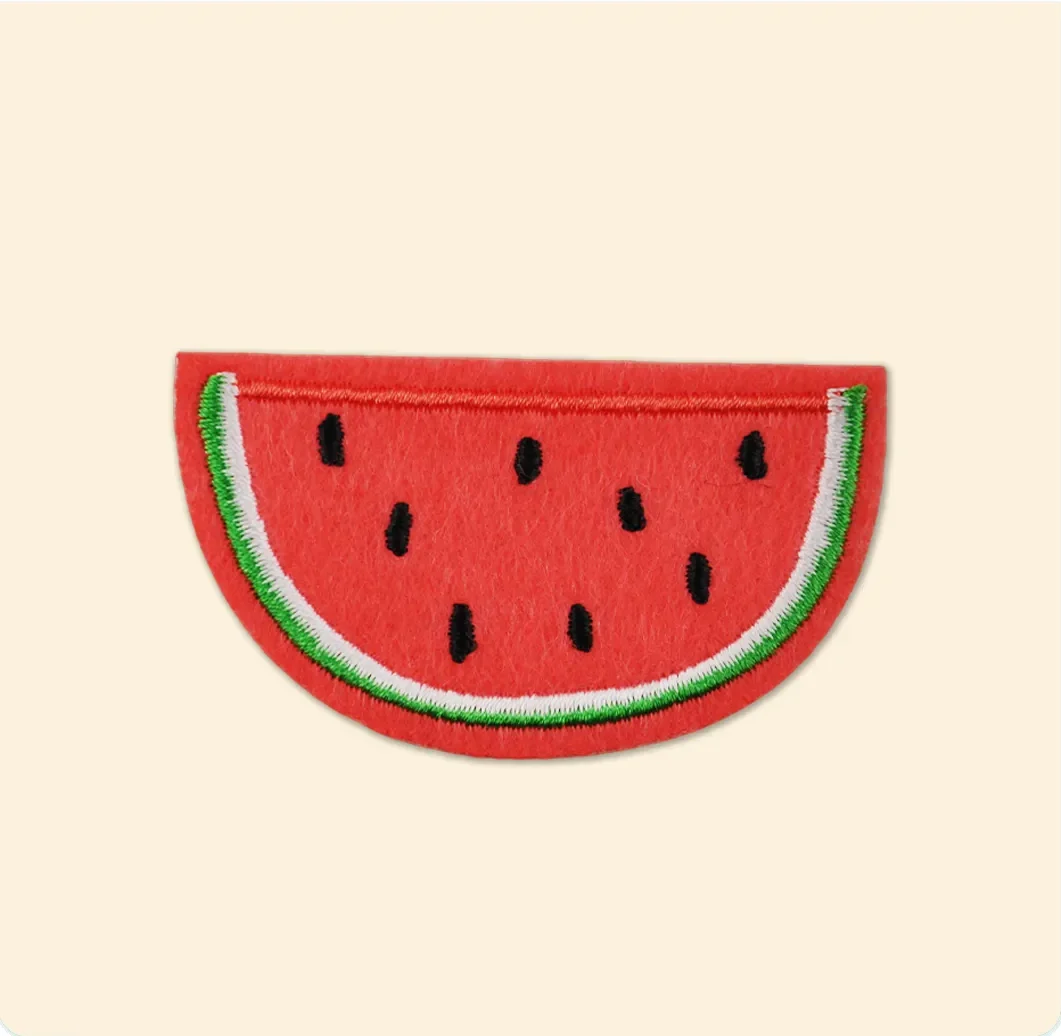
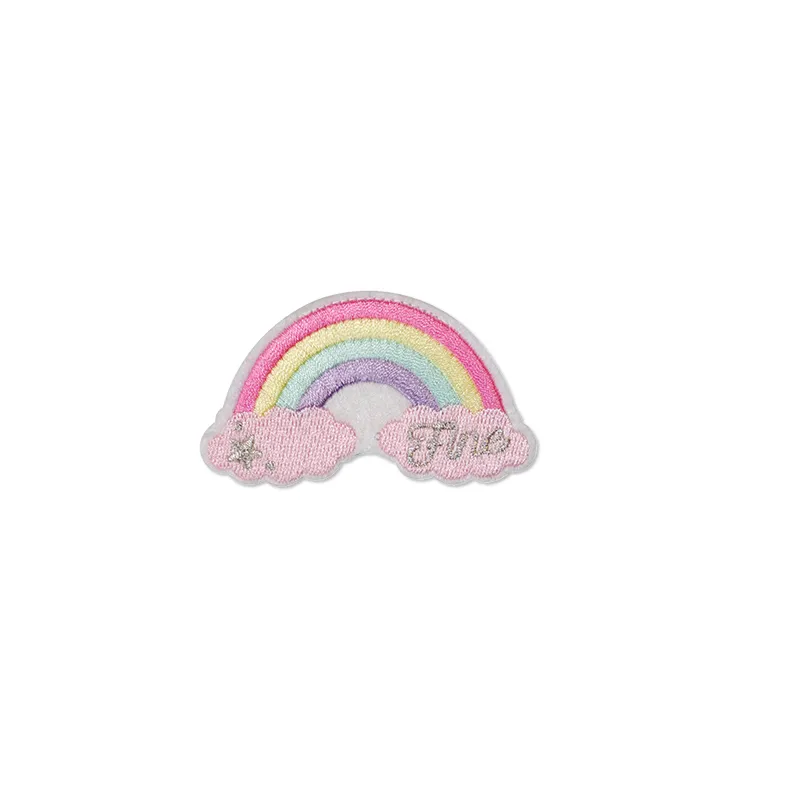
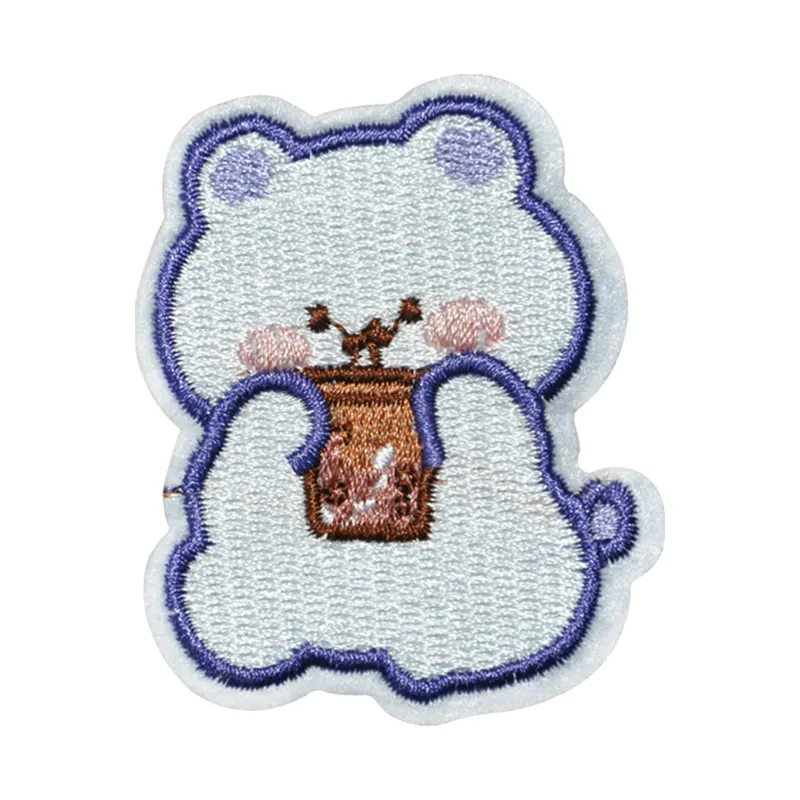
Embroidery patches are more than just decorative elements; they are a testament to creativity, craftsmanship, and personal expression. Whether you’re a seasoned designer or embarking on your first project, selecting the right embroidery patch material is crucial to the success of your creation. Imagine investing hours in designing an intricate pattern, only to find that the patch material fails to complement or withstand the intricacies of your work. This is a common frustration among embroidery enthusiasts who might overlook the importance of choosing the suitable base for their masterpiece.
The world of embroidery patch material offers a variety of options, each with its own unique characteristics and benefits. From classic cotton to durable twill, and even eco-friendly alternatives, the choice can significantly influence the appearance, texture, and longevity of your patches. In this guide, we will navigate through these options, highlighting the nuances that can make or break your project. By understanding what each material brings to the table, you’ll be better equipped to make informed decisions, ensuring that your patches not only meet but exceed your expectations.
Understanding the Importance of Choosing the Right Embroidery Patch Material
Choosing the correct embroidery patch material is the foundation of any successful embroidery project. The base fabric directly impacts how your stitches lie, how colors appear, and how the patch will perform over time. For instance, a flimsy backing may stretch or distort, causing run stitches to buckle or designs to become misaligned. Conversely, a stable, high-quality fabric supports dense stitching and intricate details, allowing your chosen threads to pop without sagging or puckering.
Moreover, the intended application of your patch—whether it’s for apparel, accessories, or promotional use—plays a key role in material selection. Outdoor gear demands durable materials that can withstand abrasion and weather, while fashion pieces may prioritize softness and drape. Additionally, the feel of the patch against the skin matters if it will be worn directly. By matching the embroidery patch material to both your aesthetic goals and functional requirements, you ensure that the final product looks polished, survives everyday wear, and delivers the desired tactile experience.
Finally, considering the compatibility between your thread, stabilizer, and patch backing minimizes frustrating trials and errors. Some fabrics accept metallic or specialty threads better than others; some require a heavier stabilizer to prevent distortion. Understanding these interdependencies will save time and resources, helping you achieve crisp lines, vibrant colors, and professional durability in every patch you create.
Exploring Classic Options: Cotton as a Versatile Choice
Cotton has long been celebrated for its natural feel, ease of use, and eco-friendly profile, making it one of the most popular embroidery patch materials. Its smooth surface provides excellent stitch definition, allowing both basic designs and high-density embroideries to appear crisp and clear. Because cotton is breathable, patches made from this fabric often sit comfortably on garments, avoiding the stiffness that can accompany synthetic backings.
One of cotton’s greatest strengths is its versatility. It accepts dye evenly, which means that both solid-colored and gradient dye techniques produce consistent results. When paired with soft cotton stabilizers, your projects will lay flat without excessive rigidity—ideal for patches on shirts, hats, and tote bags. Additionally, cotton is forgiving when cutting or heat-sealing edges, reducing fraying and enhancing longevity.
However, it’s important to note that pure cotton may not be as durable under harsh conditions compared to synthetics like polyester or twill. It can shrink or wrinkle when exposed to frequent laundering or high temperatures. To counter this, consider using a cotton‐poly blend, which retains much of the natural look and feel of cotton while offering improved resilience. Overall, cotton’s breathable comfort, color-holding properties, and ease of handling make it a go-to embroidery patch material for a wide range of applications.
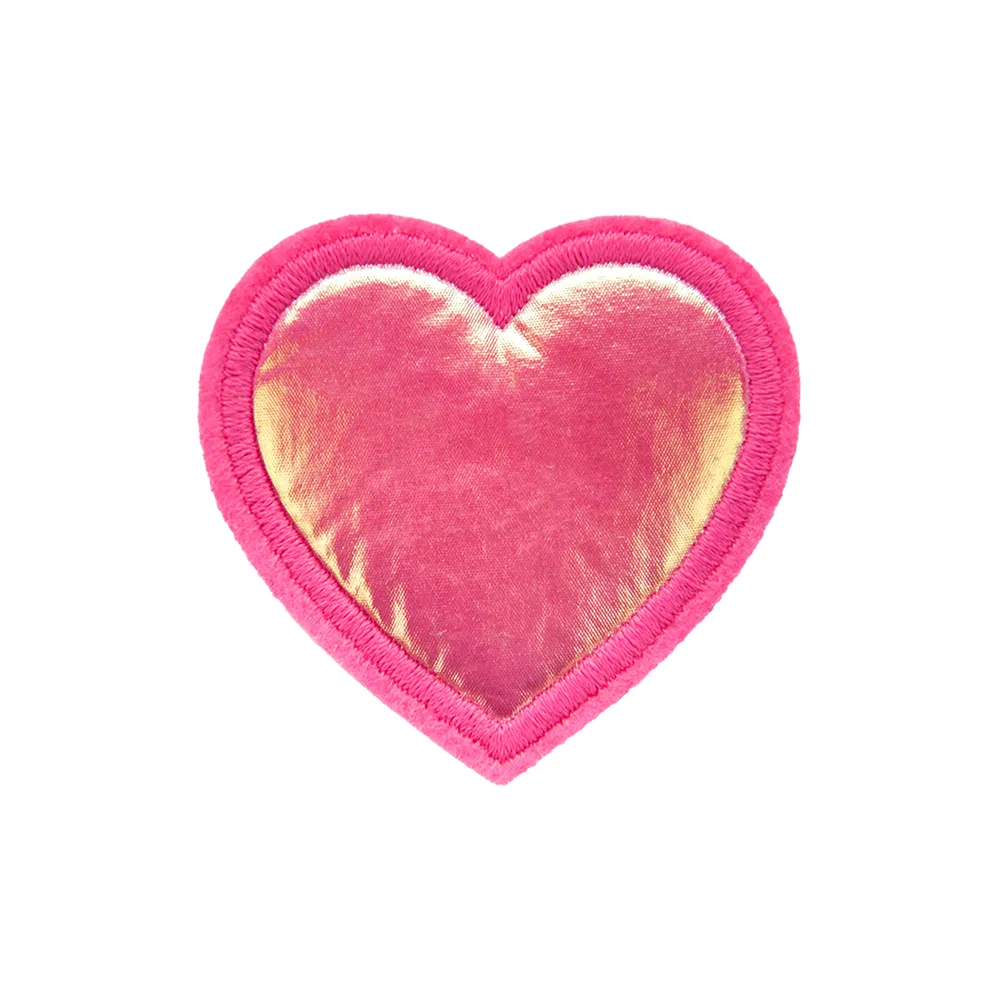
Durable and Reliable: The Appeal of Twill for Embroidery Patches
Twill fabric is renowned among embroiderers for its diagonal weave pattern, which lends both a distinctive texture and superior durability. As a heavier-weight material, twill provides a sturdy foundation that resists stretching and fraying—qualities that are especially valuable for patches destined for outdoor jackets, backpacks, or work uniforms. Its dense structure allows thread to sit neatly without sinking, ensuring long-lasting vibrancy.
Beyond practical strength, twill’s subtle sheen and woven pattern impart a professional finish that elevates even simple designs. The interplay of light on the diagonal ribs highlights stitched details, making logos or emblems stand out. Twill also tolerates a broad range of thread types, from standard polyester to thick rayon, without compromising stitch clarity. This adaptability makes twill an excellent choice for complex or high-density embroideries where stitch count and precision are paramount.
To maximize performance, pair twill with an appropriate backing—hot-melt adhesive for iron-on patches or Velcro for removable badges. This combination ensures that your patch adheres securely while preserving the textile’s inherent toughness. Whether you’re crafting patches for corporate branding, outdoor gear, or military insignia, twill’s reliability and refined appearance make it one of the most trusted embroidery patch materials available.
Enhancing Texture and Dimension: Choosing Chenille for Unique Designs
Chenille isn’t just a fabric; it’s a call to tactile engagement. Its fuzzy, pile surface adds an unmistakable three-dimensional aspect to patches, creating eye-catching “pop” that flat embroidery can’t match. Derived from the French word for caterpillar—reflecting its soft, tufted appearance—chenille is often associated with varsity letters, mascot emblems, and retro patch styles.
Working with chenille requires some adaptation of standard embroidery techniques. The thicker yarns used in chenille demand a slower stitching speed and larger needle to prevent thread breakage. Additionally, a sturdy backing, like twill or felt, is necessary to support the weight and bulk of the pile. However, the results are well worth the effort: each chenille patch offers depth, warmth, and a nostalgic charm that resonates in both vintage and contemporary applications.
Customization options abound with chenille. You can combine flat embroidery outlines to sharpen edges, add metallic accents for shine, or layer multiple colors of pile yarn for gradient effects. The interplay between smooth threadwork and fuzzy chenille creates a dynamic contrast that draws the eye. Whether you’re updating team jackets, crafting collectible pins, or designing statement patches, chenille stands out as an embroidery patch material that brings dimension and personality to every stitch.
Sparkle and Shine: The Allure of Metallic Threads in Embroidery Patch Material
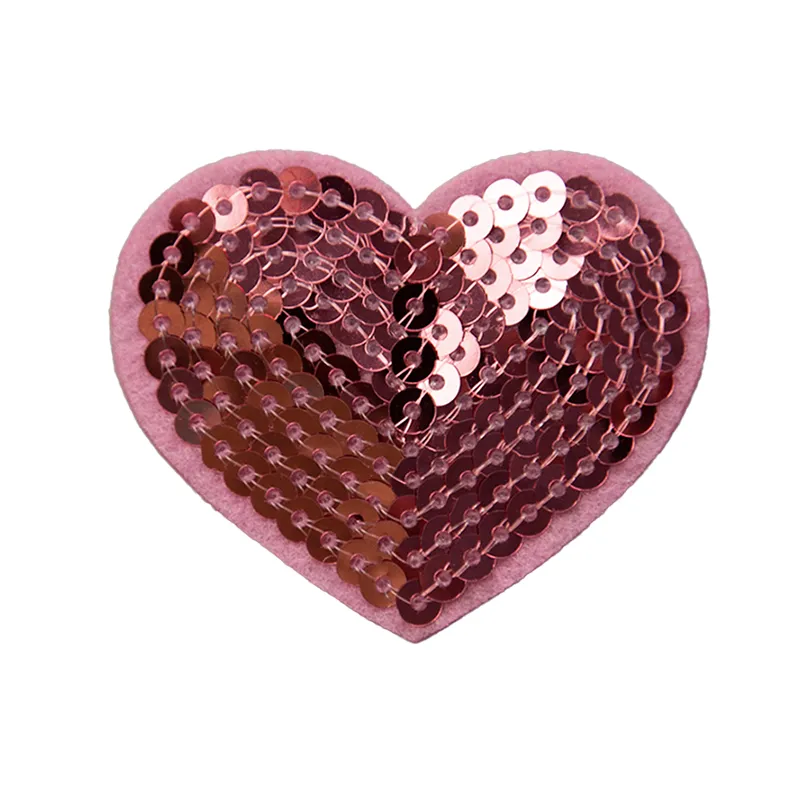
Incorporating metallic threads into your patches instantly elevates them from ordinary to extraordinary. These specialty threads—often composed of a polyester core wrapped in a thin metallic film—reflect light and add a luxurious, high-end aesthetic. Whether used sparingly as highlights or liberally for an all-over shimmer, metallics inject a sense of glamour that flat or matte threads can’t replicate.
However, metallic embroidery requires careful handling. The threads can be slightly stiffer and more prone to breakage under tension, so you’ll need a compatible needle size and a lower stitching speed. Pairing metallics with a stable embroidery patch material, such as high-density twill or a tightly woven cotton, prevents distortion and thread damage. A fine mesh topping or lightweight tear-away stabilizer can also help maintain stitch integrity without hiding the shine.
Once mastered, metallic accents open up an array of design possibilities: gleaming outlines, glittering monograms, or shimmering fill areas. They pair beautifully with chenille for a mixed-texture effect or stand alone against a dark background for maximum contrast. While metallic threads may require extra care, their ability to catch and reflect light makes them an irresistible choice for special-occasion patches, corporate logos, and any design that benefits from a dazzling touch of sophistication.
Factors to Consider When Selecting the Perfect Embroidery Patch Material
When choosing the ideal embroidery patch material, start by defining your project’s purpose. Will your patch face heavy wear, frequent washing, or outdoor exposure? Durable textiles like twill or polyester blends excel in rugged environments, whereas cotton and satin suit fashion-forward or limited-use pieces. Matching material strength to end use prevents premature wear and keeps your design looking fresh.
Next, evaluate your design’s complexity. Fine details and high stitch densities demand a stable, tightly woven fabric to prevent puckering. For bold, simple shapes or vintage-style patches, forgiving materials like felt or chenille add character without risking stitch distortion. Don’t forget to balance texture with readability—overly fuzzy backings may obscure tiny text, while slick surfaces can dull raised effects.
Finally, consider production methods and budgets. Some embroidery patch materials cost more due to specialty fibers or custom finishes. If you plan to produce in bulk, negotiate fabric options and quantities to optimize cost-effectiveness. Also factor in equipment settings: adjust needle types, stabilizers, and thread selections to suit your chosen material, ensuring consistent quality across every patch you create.
Conclusion: Elevating Your Embroidery Projects Through Thoughtful Material Choices
Choosing the right embroidery patch material is more than a preliminary step—it’s the cornerstone of every successful design. By understanding the unique attributes of cotton, twill, chenille, and metallic threads, you can align your aesthetic vision with practical performance. This careful pairing ensures that your patches not only look stunning but also endure through wear and time.
Whether you’re crafting custom team emblems, fashion-forward accessories, or corporate branding patches, thoughtful material selection transforms a good design into a great one. Embrace the nuances, experiment with textures, and always match fabric properties to your project goals. In doing so, you’ll create embroidery patches that truly stand out and stand the test of time.
