


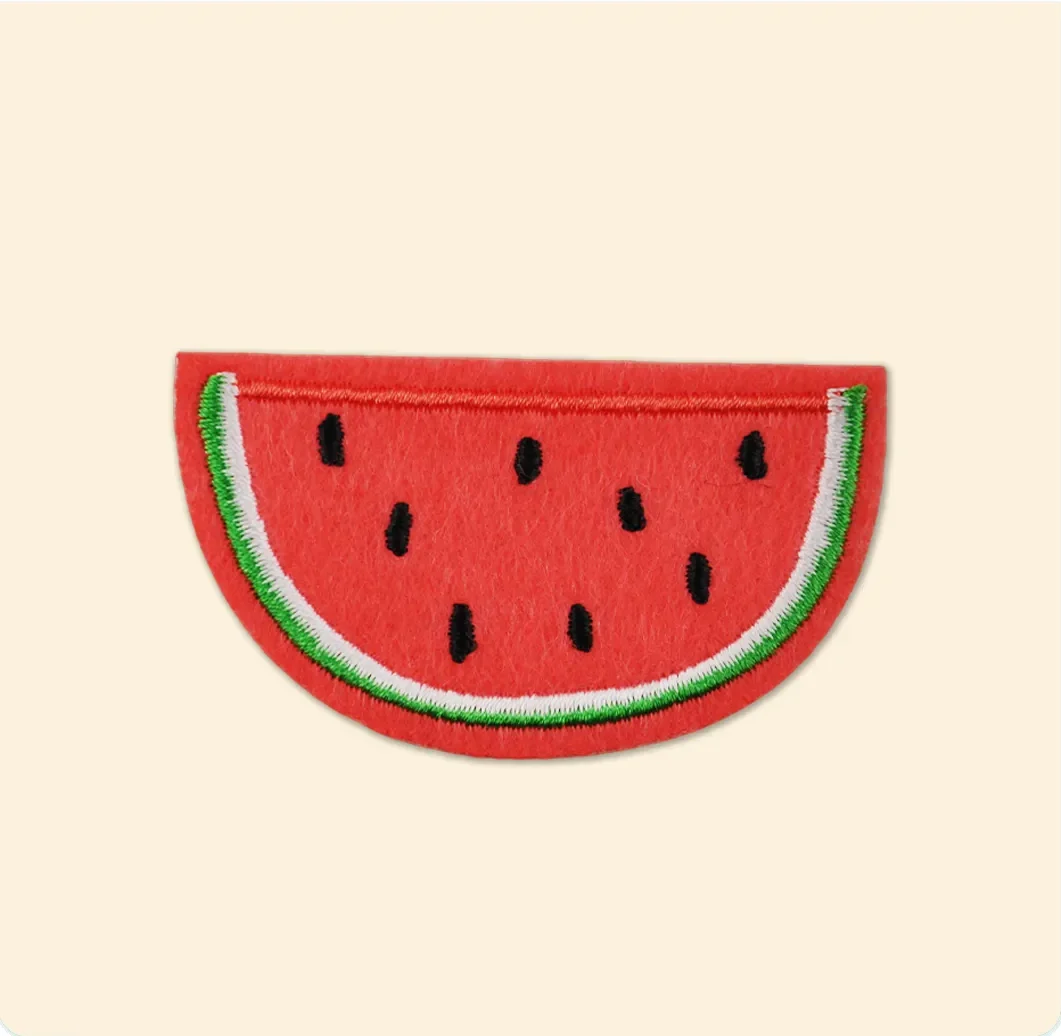
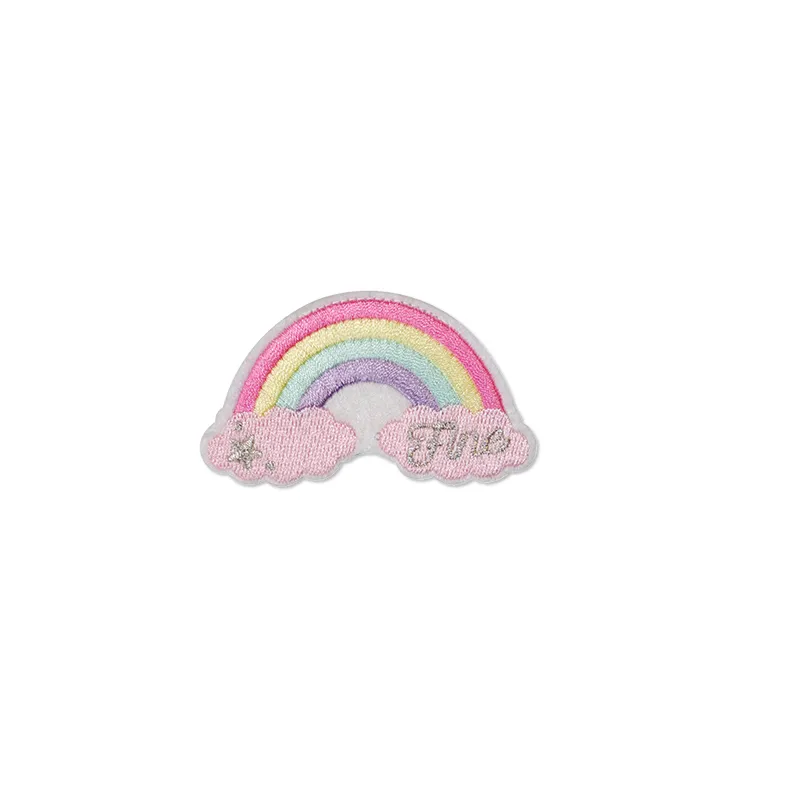
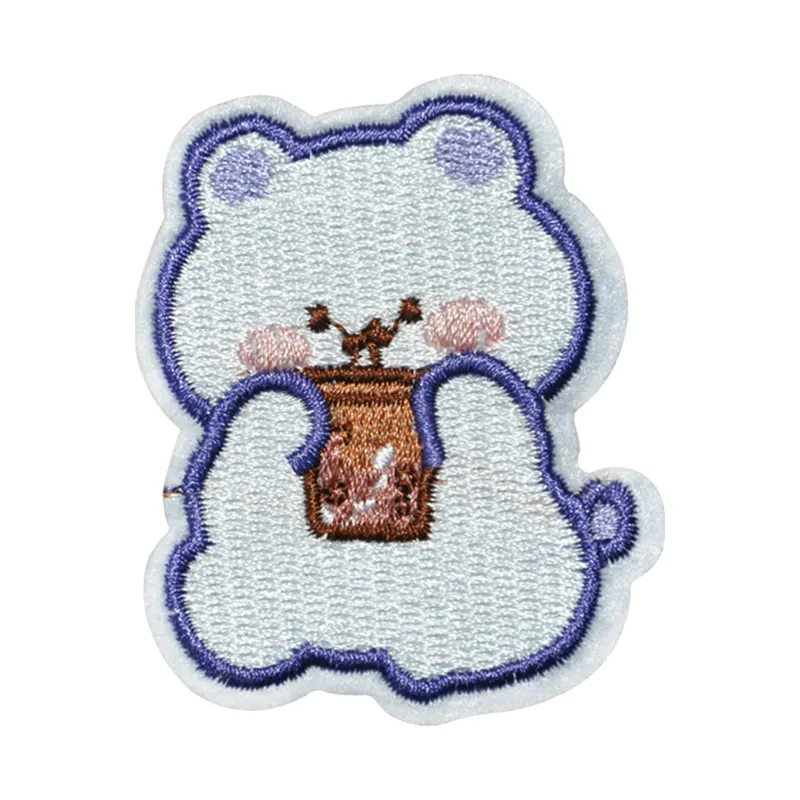
In the world of fashion and personalization, patch embroidery has emerged as a vibrant trend, allowing individuals to express their unique style and creativity. Imagine turning a plain jacket into a conversation starter or turning a simple backpack into a personalized work of art. With the ability to create custom looks using unique patch embroidery designs, the possibilities are truly endless. Whether you’re looking to add a touch of flair to your wardrobe or promote a brand with eye-catching logos, patch embroidery offers a versatile solution that combines art with utility.
For those new to this craft, the process may seem daunting. However, with the right guidance and resources, creating custom embroidered patches can be an enjoyable journey rather than a mere task. From selecting the perfect design to choosing the appropriate thread colors, every step provides an opportunity to infuse personality into the final product. By exploring the intricacies of embroidery patch production, you can not only create one-of-a-kind accessories but also immerse yourself in the gratifying world of textile artistry. Ready to dive into this colorful realm and make your vision come alive? Let’s stitch those dreams into reality.
Understanding Patch Embroidery: A Brief Overview
Patch embroidery is a method of decorating fabric or other materials by sewing or embroidering designs onto a backing material, then cutting and finishing the edges to create a standalone patch. This craft has deep roots in military, scouting, and club traditions, where patches signified rank, achievements, and affiliations. Today, it has evolved into a mainstream form of personalization used in fashion, branding, and DIY culture. Whether produced at home in small batches through embroidered patch making or commissioned from a specialized patch embroidery service, each patch tells a story through its colors, textures, and motifs.
At its core, patch embroidery blends art and technique. Digitized file formats guide modern embroidery machines to stitch intricate patterns with precision, while hand embroidery enthusiasts rely on traditional stitches like satin stitch and chain stitch to achieve a handcrafted feel. Advancements in embroidery patch production have made it possible to reproduce complex logos and fine details at scale, catering to businesses and hobbyists alike. Understanding the basics of patch embroidery will empower you to select the right materials, design files, and finishing techniques for your next creative endeavor.
Selecting the Perfect Design for Your Patch
Choosing the right design is the first critical step in custom patch embroidery. Begin by defining the purpose of your patch—are you creating a brand identifier, a personal monogram, or a decorative art piece? Your design should reflect this purpose. If you’re working with a patch embroidery service, provide clear vector art files (such as .AI or .EPS) to ensure crisp lines and accurate color matching. For DIY enthusiasts, freehand sketches or digital illustrations can guide your embroidery machine or hand-stitching process with equal flair.
Next, consider size, shape, and color palette. Patches come in a range of shapes: circles, shields, rectangles, and custom contours that follow the outline of your design. Balance negative and positive space so that your patch remains legible at its intended size. When it comes to colors, select contrasting thread hues that will stand out against the backing fabric once attached to clothing or accessories. Leveraging custom patch embroidery services can streamline this stage, as many providers offer proofing tools that simulate the final look before production begins.
Choosing the Right Fabric for Your Patch Project
The choice of fabric backing plays a major role in the durability and appearance of your embroidered patch. Common options include twill, felt, and canvas—each offering unique characteristics. Twill provides a smooth, tightly woven surface that showcases fine details well, making it a popular pick for logos and intricate designs. Felt, with its soft, fuzzy texture, lends a vintage or rustic vibe to patches, while canvas offers a sturdy base suited for outdoor gear and heavy-duty applications.
Backing material is equally important. Iron-on adhesive backing is convenient for quick attachment to garments, whereas sew-on backing ensures your patch stays in place through heavy wear and washing. For removable patches, hook-and-loop (Velcro) backing is ideal. When engaging in embroidered patch making at home, choose a fabric that matches the weight and weave of the garment you’ll attach to—this alignment prevents puckering and ensures a seamless integration of patch and garment.
Tools and Materials Needed for Patch Embroidery
To get started with patch embroidery, gather essential tools and materials: an embroidery machine (or hand embroidery needles), quality embroidery thread, stabilizer, scissors, and a fabric marking pen. For machine work, digitizing software converts your design into stitch-ready files, guiding the machine through each step. For hand-crafted patches, hoops keep fabric taut and stitches even. Stabilizers—cut-away, tear-away, or water-soluble—support the fabric during stitching and prevent distortion, ensuring crisp detail in your final patch.
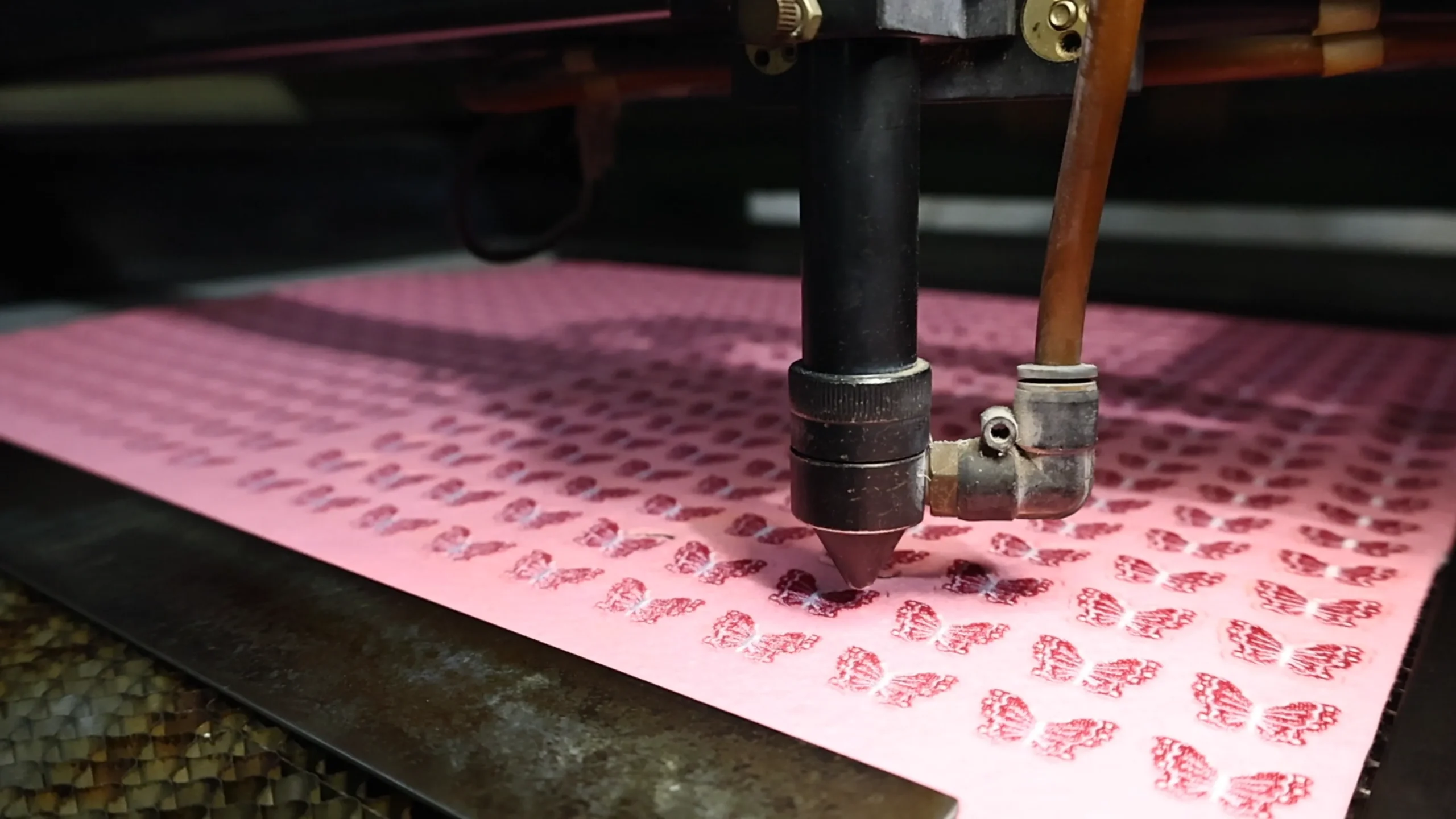
Additional supplies include backing materials (iron-on adhesive sheets, sew-on backing, or hook-and-loop tape), patch borders (merrowed for a classic look or hot-cut for a modern finish), and finishing tools like a hot knife or laser cutter for precise edge sealing. If you plan to scale up production, partnering with a reputable patch embroidery service can grant access to industrial-grade machines, advanced thread palettes, and professional finishing options that elevate the quality and consistency of each patch you create.
Techniques for Attaching Patches to Garments
Sew-on attachment remains the gold standard for longevity, especially on heavy fabrics like denim or canvas. Thread a needle with matching or contrasting thread, pin the patch in place, and use a whip stitch or blanket stitch around the edges. This method ensures the patch endures countless washes without peeling or fraying.
Iron-on backing offers a quick, no-sew solution. Simply position your patch, cover it with a pressing cloth, and apply heat according to adhesive instructions. While convenient, iron-on patches can loosen over time, so combining ironing with an occasional hand-sewn border stitch boosts durability.
Showcasing Your Custom Patch Creations
Once your patches are attached, it’s time to highlight your handiwork. Incorporate them into jackets, backpacks, hats, tote bags, and even home décor items like throw pillows. For a streetwear-inspired look, cluster multiple patches together in a collage style on a denim jacket or canvas tote. Alternatively, use a single statement patch on a minimalist piece to let its design truly shine.
Photography and social sharing amplify the impact of your creations. Stage flat-lay images on neutral backgrounds or model garments in natural light to capture texture and color accurately. When sharing online, include descriptive captions that mention “custom patch embroidery” or “embroidery patch production” so potential customers and fellow hobbyists can find your work. If you offer a patch embroidery service, showcase before-and-after shots to demonstrate the transformative power of your craft and attract new clients seeking bespoke embroidered patches.
Conclusion: Embrace Your Creativity Through Patch Embroidery
Patch embroidery opens up endless possibilities for personalization, self-expression, and branding. Whether you’re exploring embroidered patch making for fun or offering a professional patch embroidery service, the skills you develop can translate into unique fashion statements and memorable merchandise.
By understanding the fundamentals—design selection, fabric choice, tools, and attachment techniques—you’ll be well-equipped to bring your creative visions to life. So gather your materials, sketch your dream patch, and dive into the colorful world of custom patch embroidery. Your next wardrobe piece or brand campaign is just a stitch away!
Frequently Asked Questions (FAQ)
1. What is patch embroidery?
Patch embroidery is a technique of decorating fabric by stitching designs onto a backing material, then cutting and finishing the edges to create a standalone patch. Patches can be attached to clothing, bags, hats, and other items for personalization, branding, or decoration.
2. What are the most common patch shapes?
Patches come in a variety of shapes, including:
Circles – Classic and versatile
Shields – Traditional for uniforms and clubs
Rectangles – Great for name tags or text-heavy designs
Custom contours – Unique shapes that follow your design outline
3. What fabrics are best for making embroidery patches?
| Fabric | Best For | Characteristics |
|---|---|---|
| Twill | Logos, intricate designs | Smooth, tightly woven, shows fine details |
| Felt | Vintage or rustic looks | Soft, fuzzy texture |
| Canvas | Outdoor gear, heavy-duty use | Sturdy, durable base |
4. What are the different backing options for patches?
Iron-on backing: Heat-activated adhesive for quick, no-sew attachment. Best for flat, heat-safe fabrics.
Sew-on backing: Requires stitching around edges. Most durable; ideal for frequently washed items.
Hook-and-loop (Velcro): Removable and repositionable. Perfect for tactical gear or interchangeable patches.
5. How do I attach a patch to a garment?
Sew-on method (most durable):
Pin patch in place.
Use whip stitch or blanket stitch around the edge.
Best for denim, canvas, and heavy fabrics.
Iron-on method (quick but less durable):
Position patch, cover with pressing cloth.
Apply heat with iron following adhesive instructions.
For extra security, combine iron-on with a few hand-sewn stitches.
6. Can I create custom patches at home without an embroidery machine?
Yes. Hand embroidery is a viable option for small batches or one-of-a-kind patches. You’ll need:
Fabric (twill or felt)
Embroidery hoop
6-strand embroidery floss
Sharp needle
Stabilizer (tear-away or water-soluble)
