
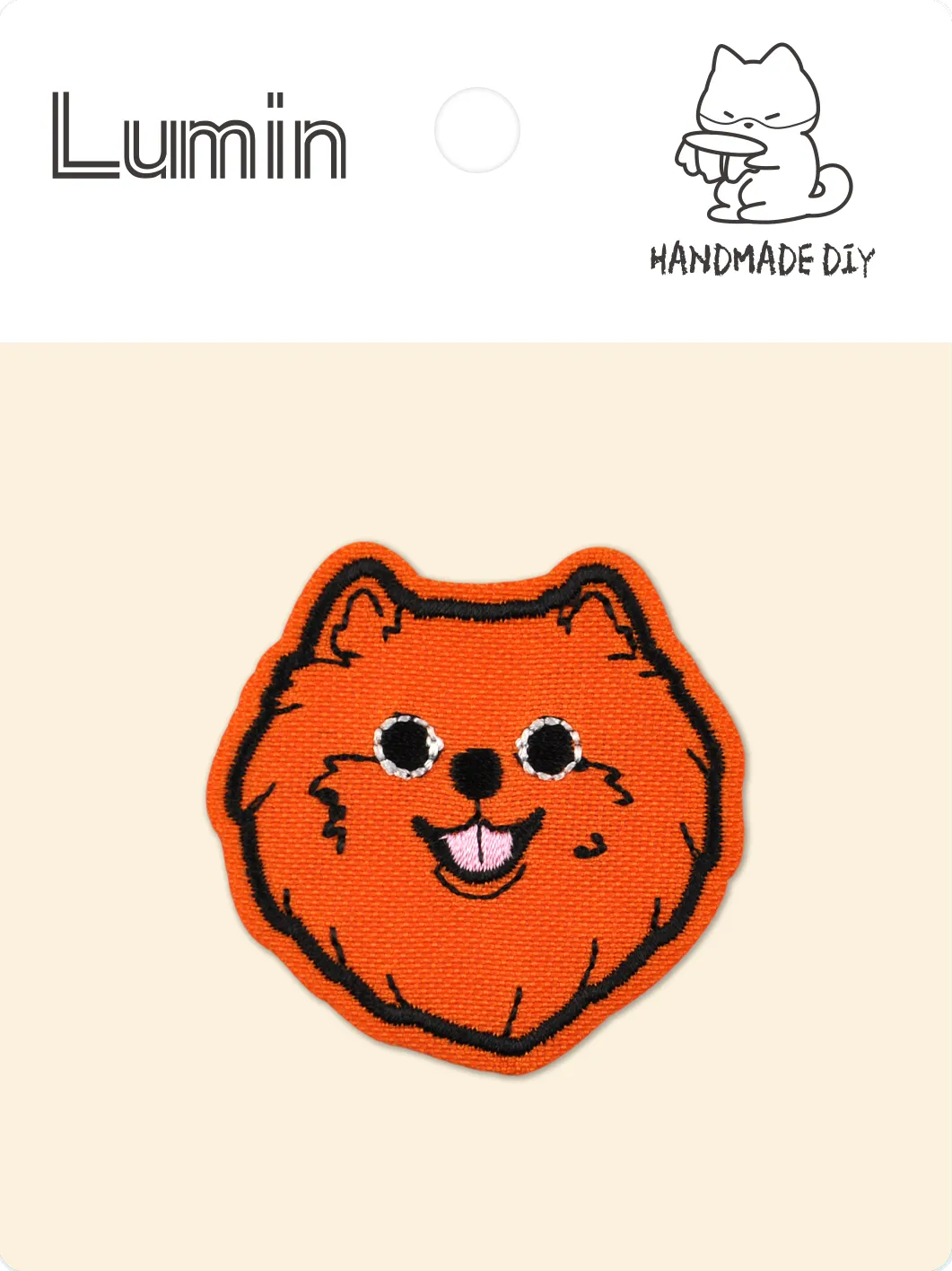
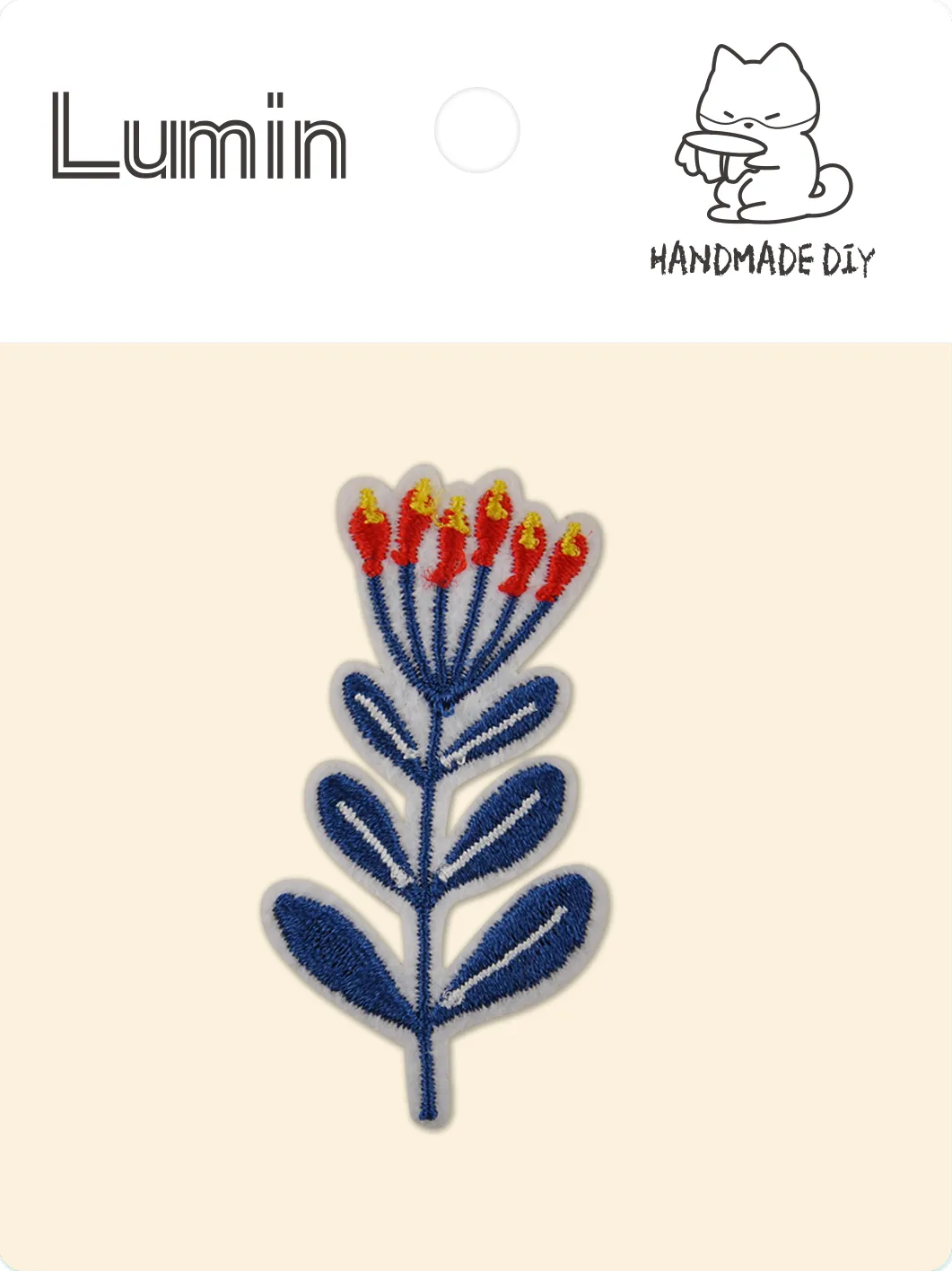

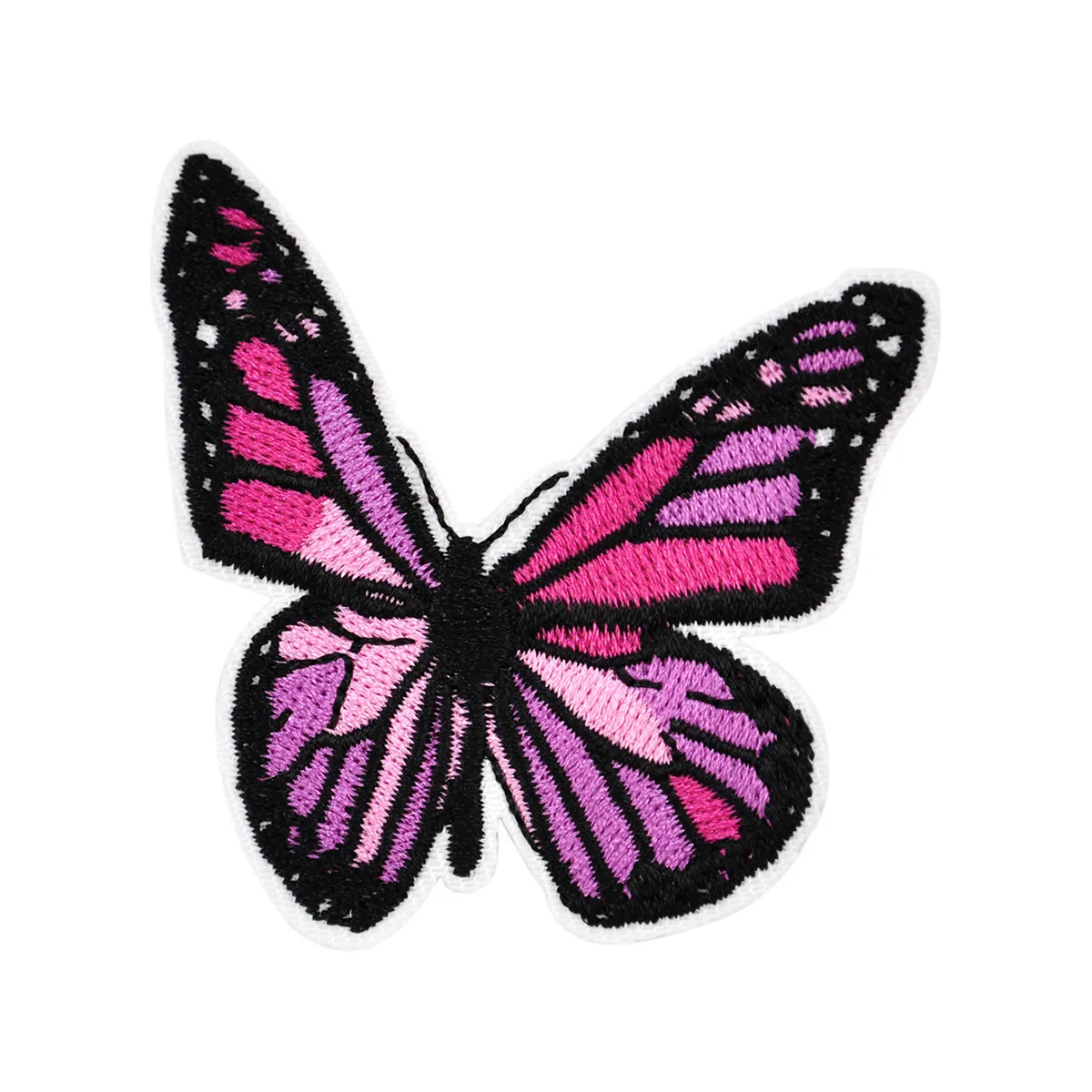
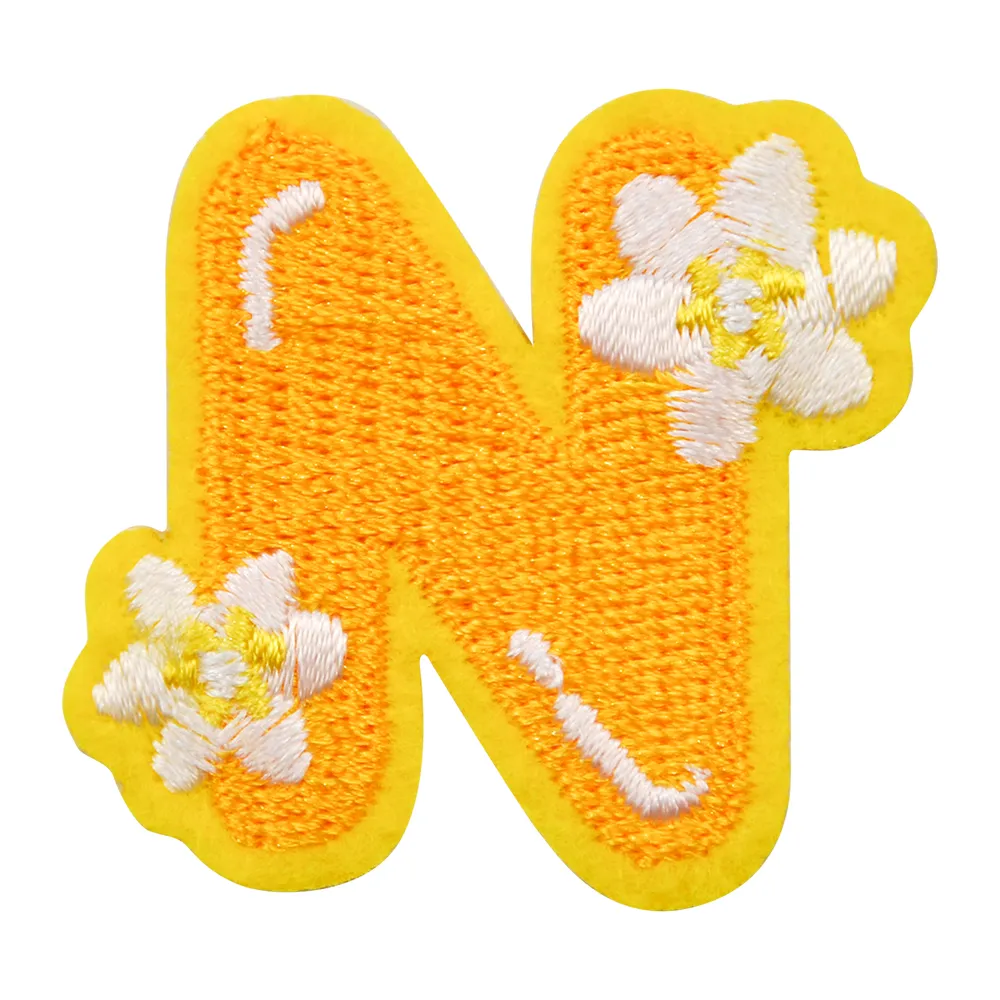
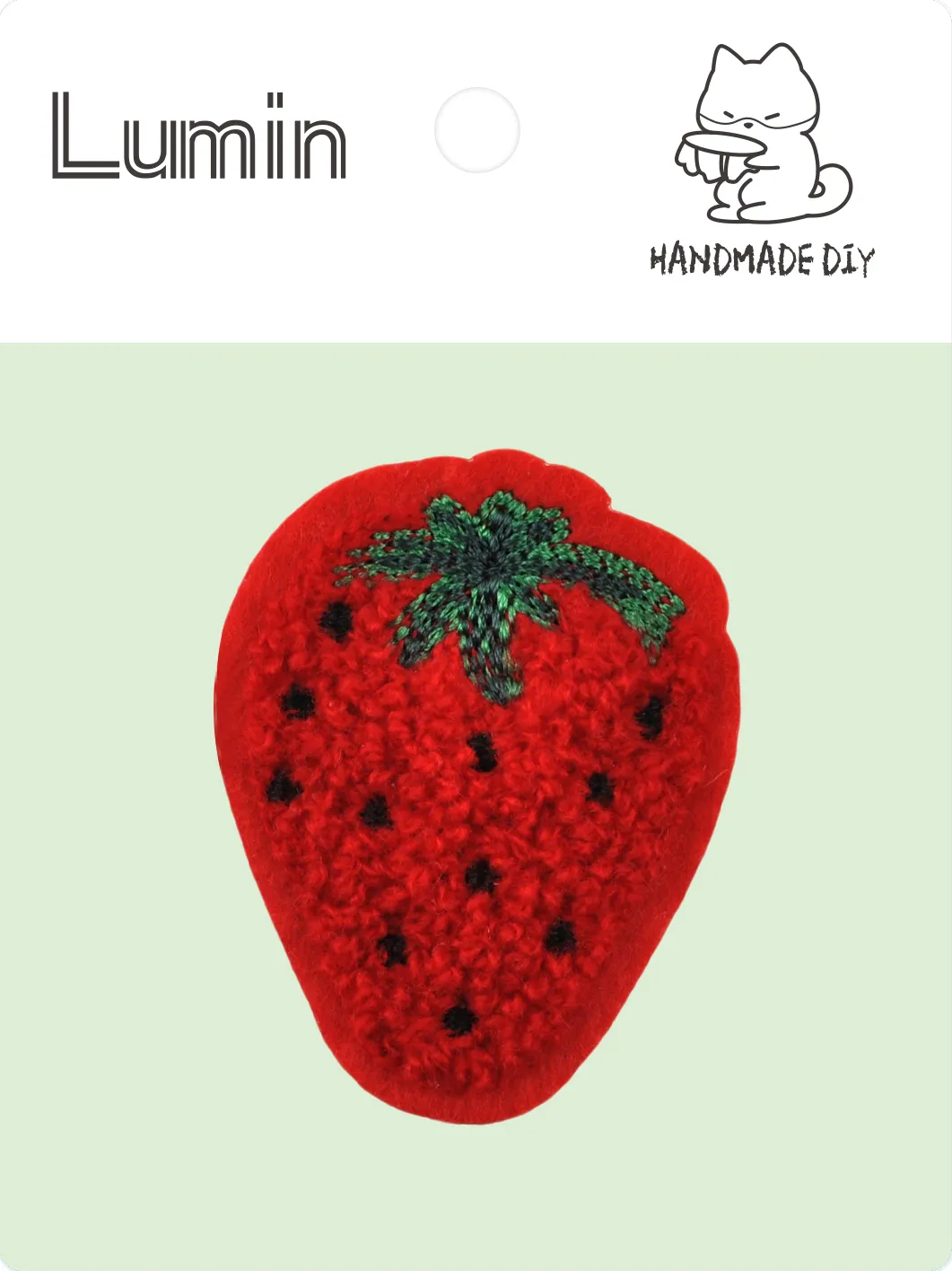
In a world where personalization and individuality reign supreme, the charm of embroidery patches is experiencing a renaissance. These intricate designs are no longer just adornments for uniforms but have transcended into the realm of art, creativity, and expression. Dive into the universe where thread meets imagination, revealing a tapestry of storytelling crafted by skilled hands. But who are the masterminds behind these vibrant, miniature canvases? Meet the artisans at the forefront, the embroidery patches manufacturer that transforms mere fabric into stunning works of art.
As consumer demand for unique and tailored apparel continues to rise, so too does the prominence of custom embroidery patches. From fashion statements to brand identities, these patches provide a canvas for defining personal or corporate identity. Imagine owning a piece that not only reflects your style but also holds the fingerprints of expert craftsmanship and innovation. Join us as we explore the fascinating world of leading embroidery patches manufacturers today—where tradition blends seamlessly with forward-thinking design, setting new benchmarks in the industry.
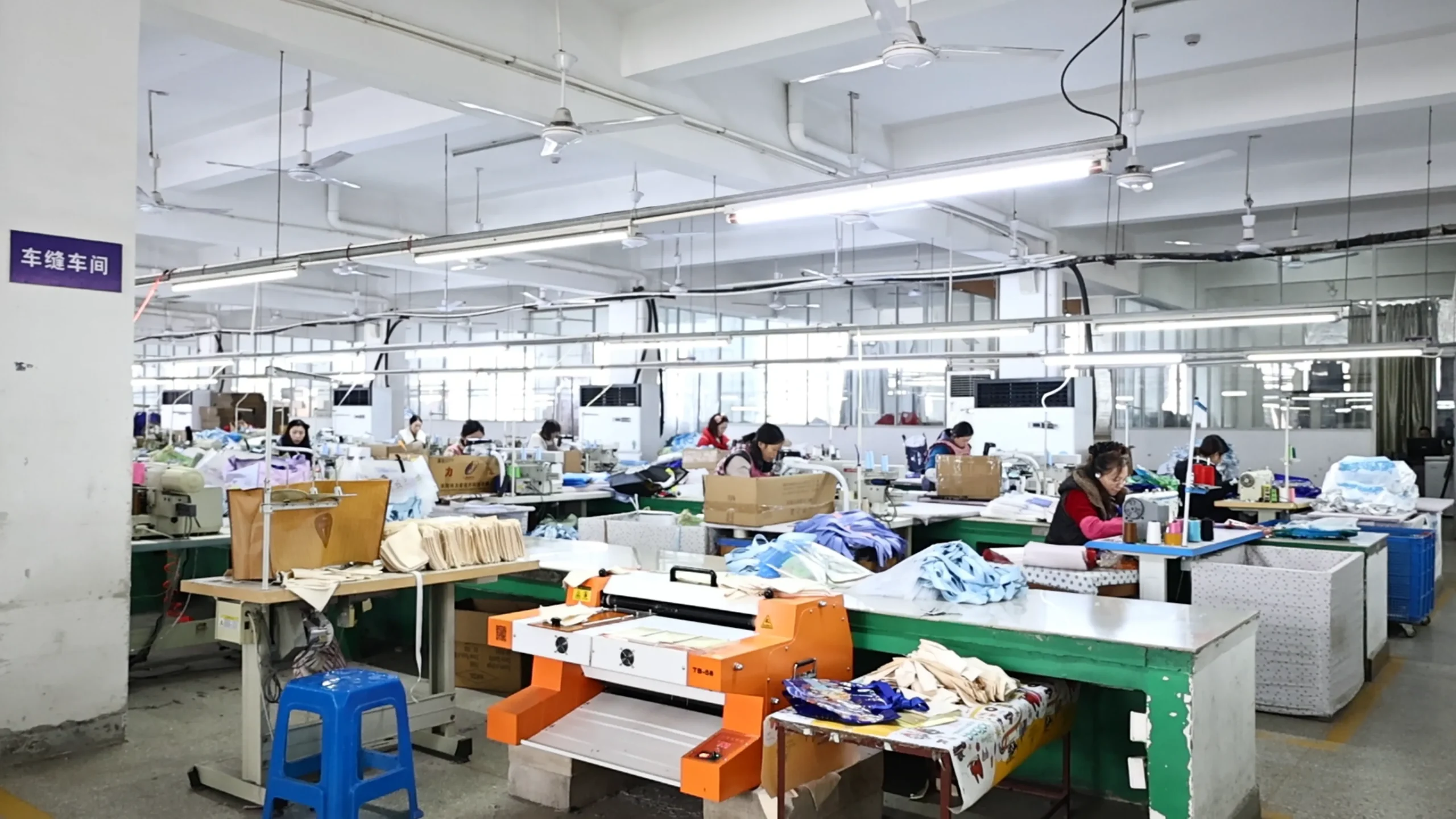
History of Embroidery Patches: Tracing the Origins
The story of embroidery patches stretches back centuries, with early examples found in ancient civilizations such as Egypt, China, and Mesopotamia. In these cultures, embroidered motifs adorned royal robes, ceremonial textiles, and religious vestments, serving both decorative and symbolic functions. Over time, the technique of embellishing fabric with thread evolved, and embroidery became a revered art form. By the Middle Ages, guilds of skilled embroiderers in Europe were crafting elaborate crests for nobility, marking the early roots of what we now recognize as the patch concept.
Fast forward to the 19th and early 20th centuries, when embroidery patches began to be used more systematically in military and scouting uniforms. These patches conveyed rank, regiment, and achievements, solidifying their role in visual communication. The industrial revolution brought machine embroidery, enabling an embroidery patches manufacturer to produce designs at unprecedented speed and consistency. By the mid-20th century, patches had crossed over into popular culture, appearing on leather jackets, denim vests, and backpacks—symbols of identity, affiliation, and self-expression that continue to resonate with enthusiasts today.
Impact of Embroidery Patches on Personalization Trends
In recent years, embroidery patches have become a cornerstone of the personalization movement in fashion and branding. No longer reserved for uniforms and corporate wear, these versatile emblems allow individuals and businesses to customize apparel with logos, slogans, and artwork. Social media and influencer culture have only amplified this trend, driving demand for patches that can be easily applied, removed, or swapped to keep wardrobes fresh and unique.
Brands large and small leverage patches to forge deeper connections with customers, transforming them into ambassadors sporting brand imagery. For hobbyists and crafters, DIY patch kits and online tutorials have democratized design, enabling anyone to conceptualize and wear their own creations. Whether it’s a limited-edition logo for a startup or a one-off design commemorating a special event, embroidery patches have reshaped the way we communicate identity through clothing.
Crafting Process: From Design Concept to Final Patch
The journey from a sketch on paper to a fully embroidered patch is a blend of artistry and precision engineering. It begins with the design phase, where ideas are digitized using specialized software that translates artwork into stitch files. This digital blueprint guides high-speed embroidery machines to execute the pattern stitch by stitch. Selection of materials—fabric bases, thread types, and backing options—plays a crucial role in the patch’s durability, texture, and visual impact.
Once the digital file is ready, the embroidery patches manufacturer mounts the chosen fabric on specialized hoops and positions it under the machine’s needle. As the machine whirs to life, multiple colored threads weave intricate patterns, while technicians monitor tension and alignment to ensure flawless reproduction. After embroidery is complete, excess fabric is trimmed by laser or heat-cutting tools, and edges are sealed with merrow or heat-cut border finishes. Finally, patches undergo quality checks for color accuracy, stitching consistency, and backing adhesion before packaging for shipment.
Innovative Techniques in Embroidery Patch Manufacturing
Modern embroidery patch production leverages cutting-edge technologies to push creative and technical boundaries. Laser cutting provides razor-sharp edge detail, enabling complex shapes that were once impossible with manual trimming. Three-dimensional puff embroidery uses foam underlays to add depth and relief to designs, creating a tactile effect that stands out on jackets and caps. Digital embroidery machines, equipped with multiple heads, can stitch dozens of color changes seamlessly, speeding up large-scale orders without sacrificing quality.
Eco-friendly practices are also gaining traction among leading embroidery patches manufacturers. Biodegradable threads, recycled backing materials, and water-based adhesives reduce the environmental footprint of each patch. Some innovators are even experimenting with conductive threads to integrate LED lighting or NFC chips into patches, merging traditional craftsmanship with smart textile applications. These advancements not only satisfy aesthetic demands but also align with the growing consumer appetite for sustainable and high-tech products.
Customization Options for Unique Patch Designs
The allure of embroidery patches lies in their limitless customization possibilities. Shape options range from classic circles and rectangles to intricate die-cut contours that follow the artwork’s silhouette. Thread choices extend beyond the standard polyester spectrum to metallic, glow-in-the-dark, and variegated fibers that add shimmer and dynamic color transitions. Edges can be finished with merrow borders for a raised outline or heat-cut edges for a sleek, frameless look.
Backing options further enhance functionality: iron-on adhesives allow easy attachment with heat, while Velcro backings enable quick swaps between garments. Self-adhesive and magnetic backings cater to non-textile applications like bags and hard surfaces. For corporate clients, custom packaging and multi-item kits offer branded presentation and versatile usage. With so many variables—size, thread type, border, backing, and packaging—clients can collaborate closely with their embroidery patches manufacturer to create truly one-of-a-kind emblems.
Conclusion: The Timeless Appeal of Embroidery Patches
Embroidery patches continue to captivate with their blend of tradition, craftsmanship, and modern innovation. Whether adorning military uniforms, fashion garments, or corporate merchandise, these small works of art convey identity and creativity in a way few other mediums can match.
By partnering with a leading embroidery patches manufacturer, brands and individuals unlock the power of personalized expression—transforming threads into stories that endure through time.
