
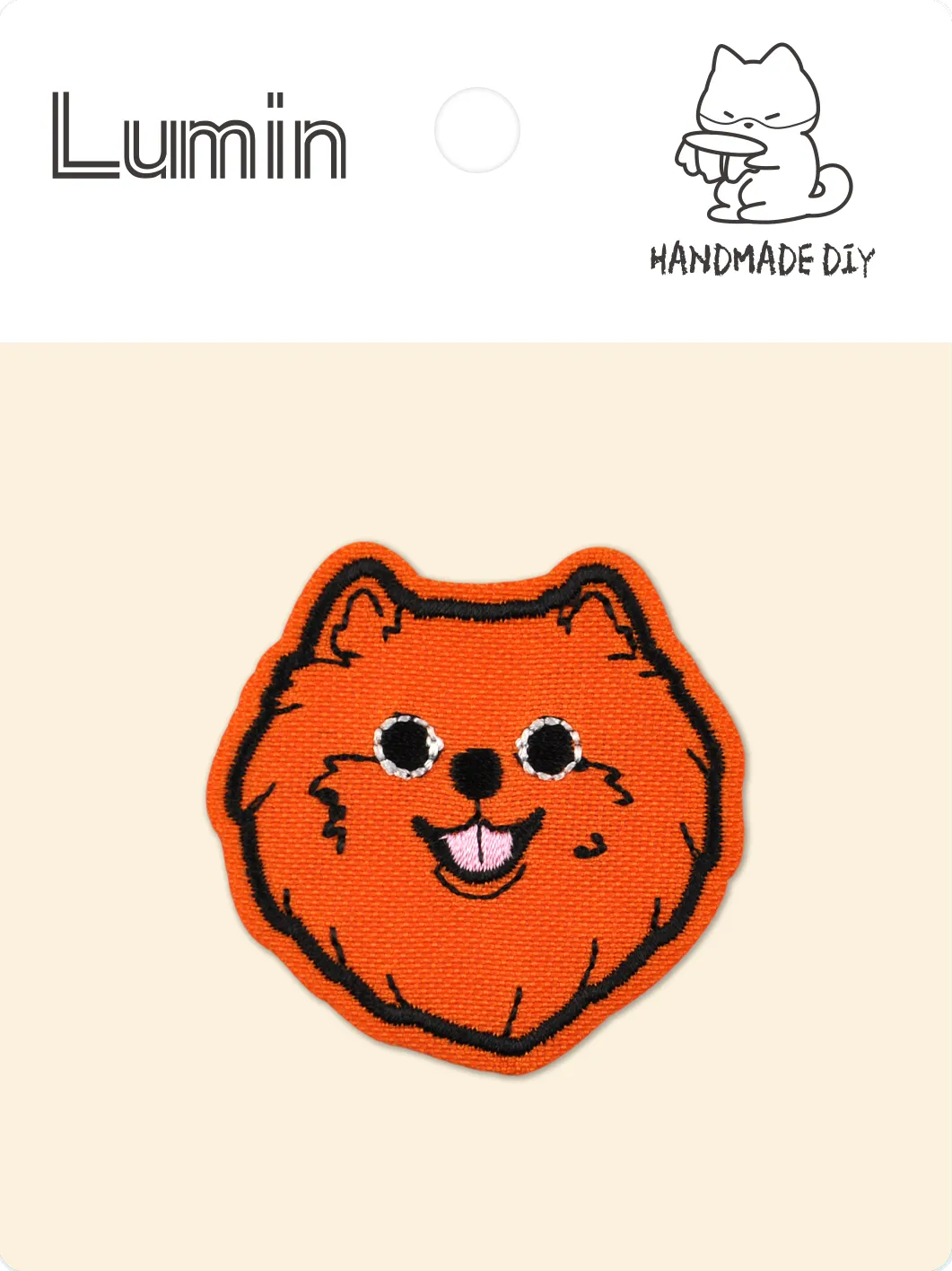
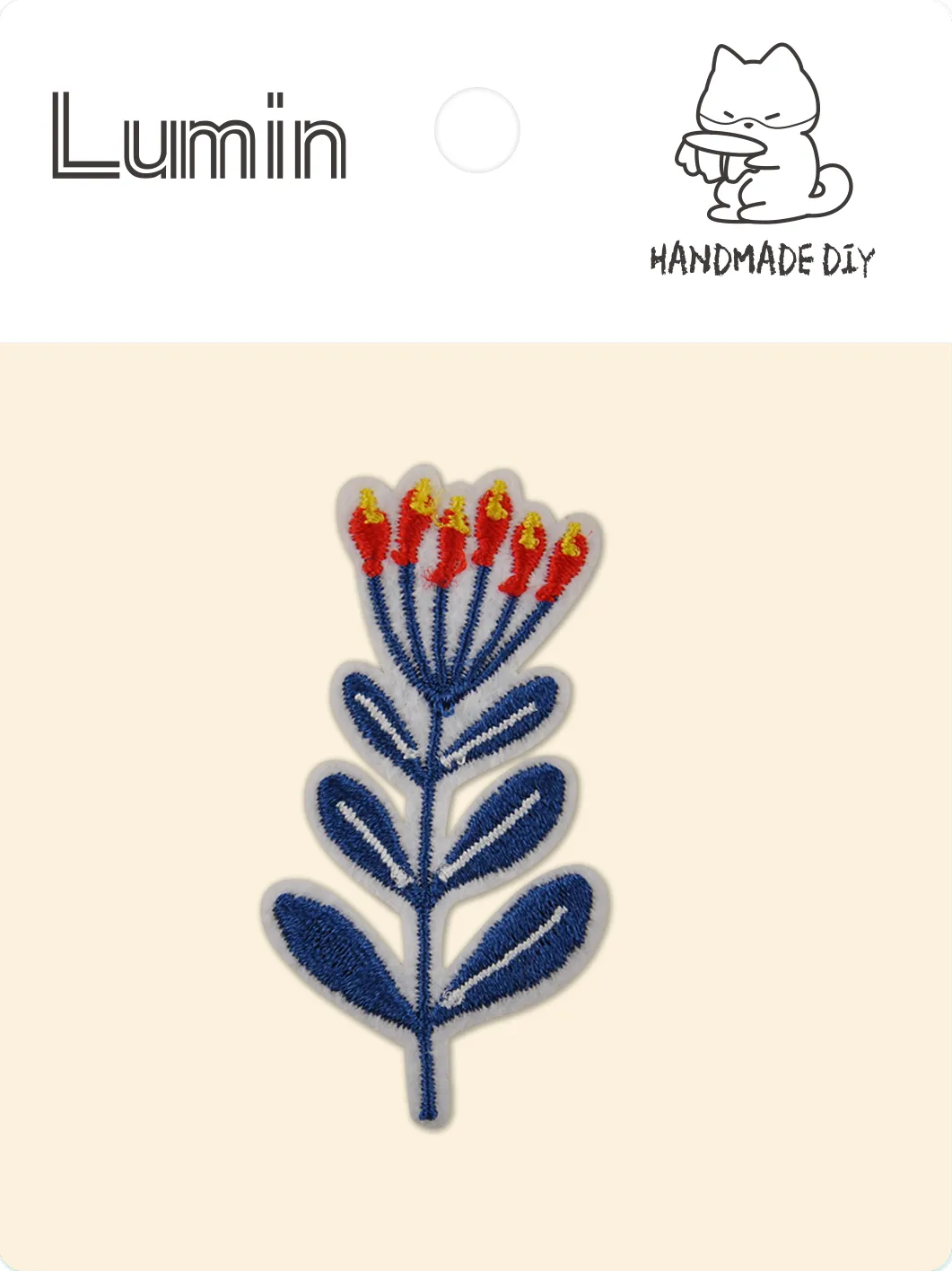

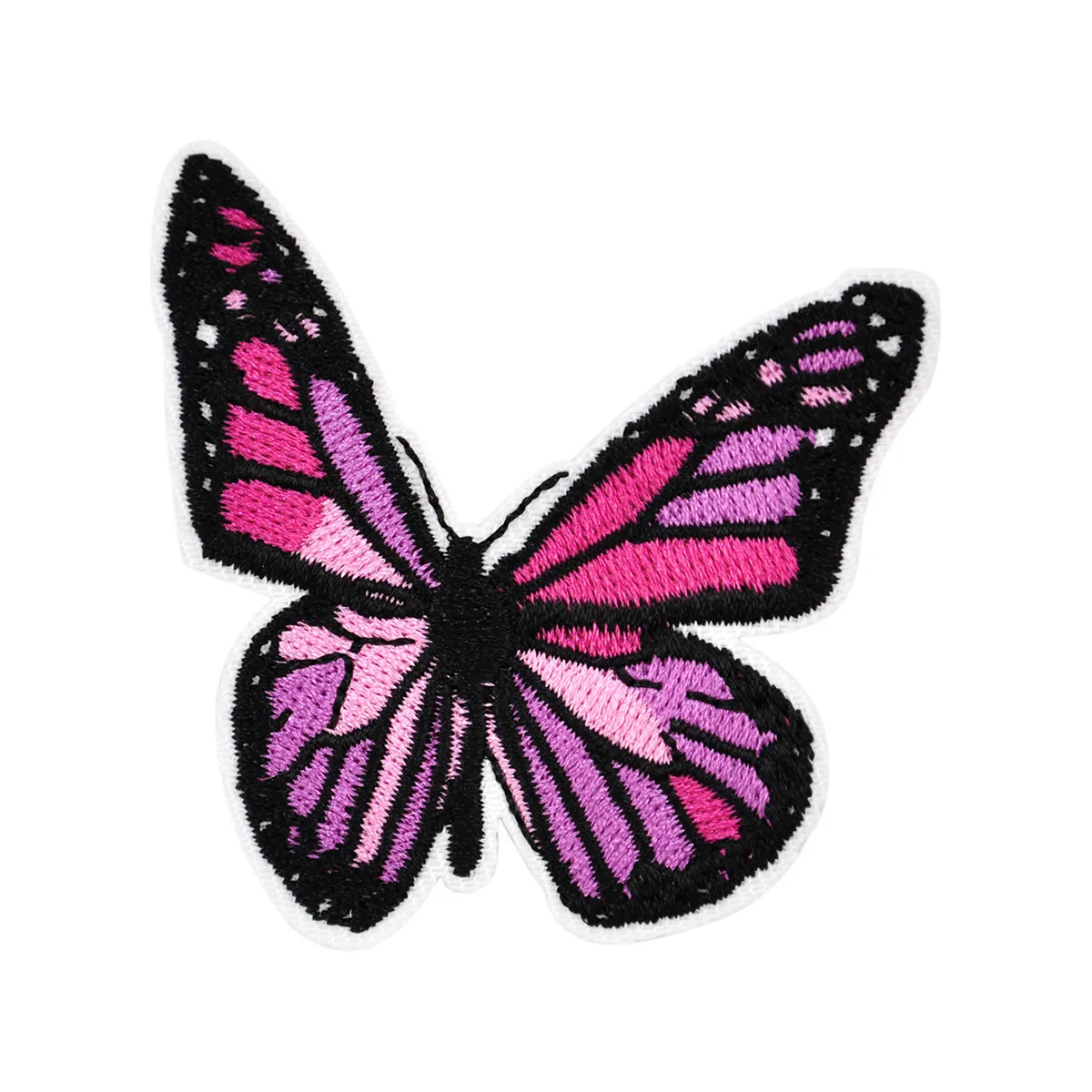
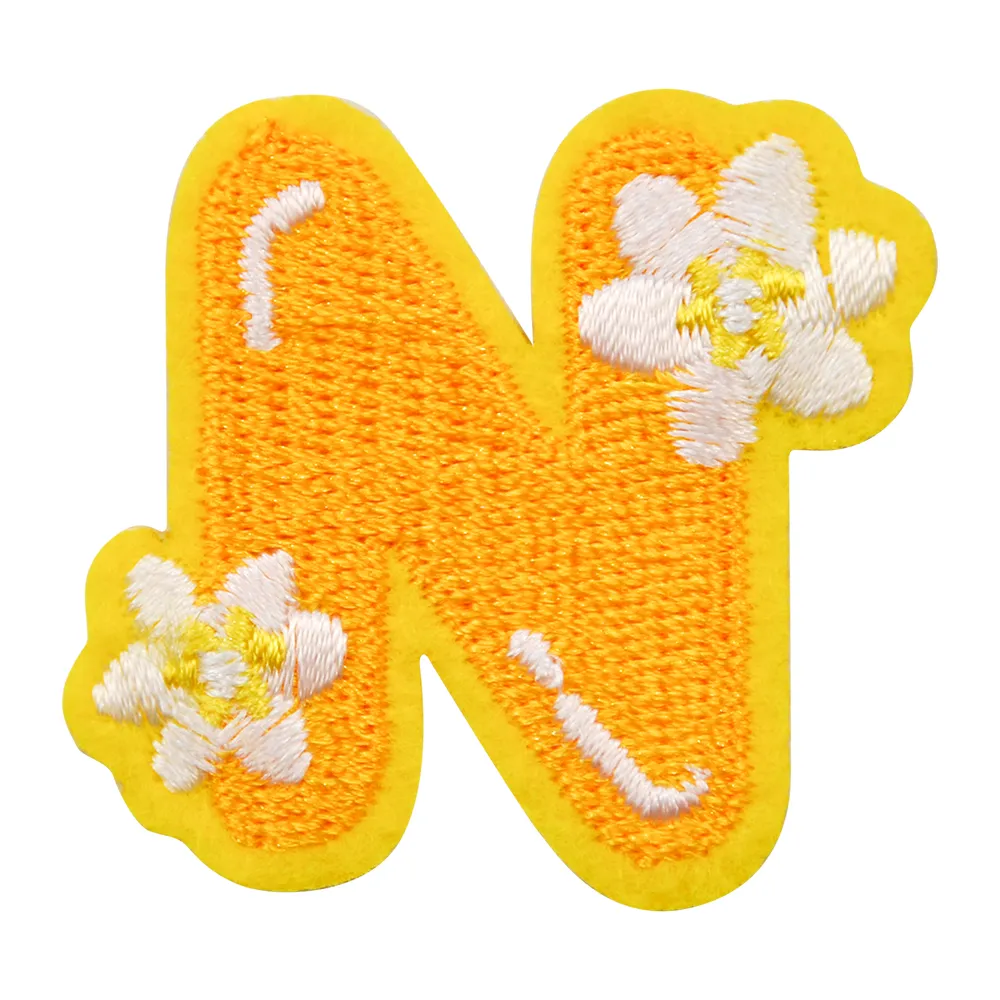
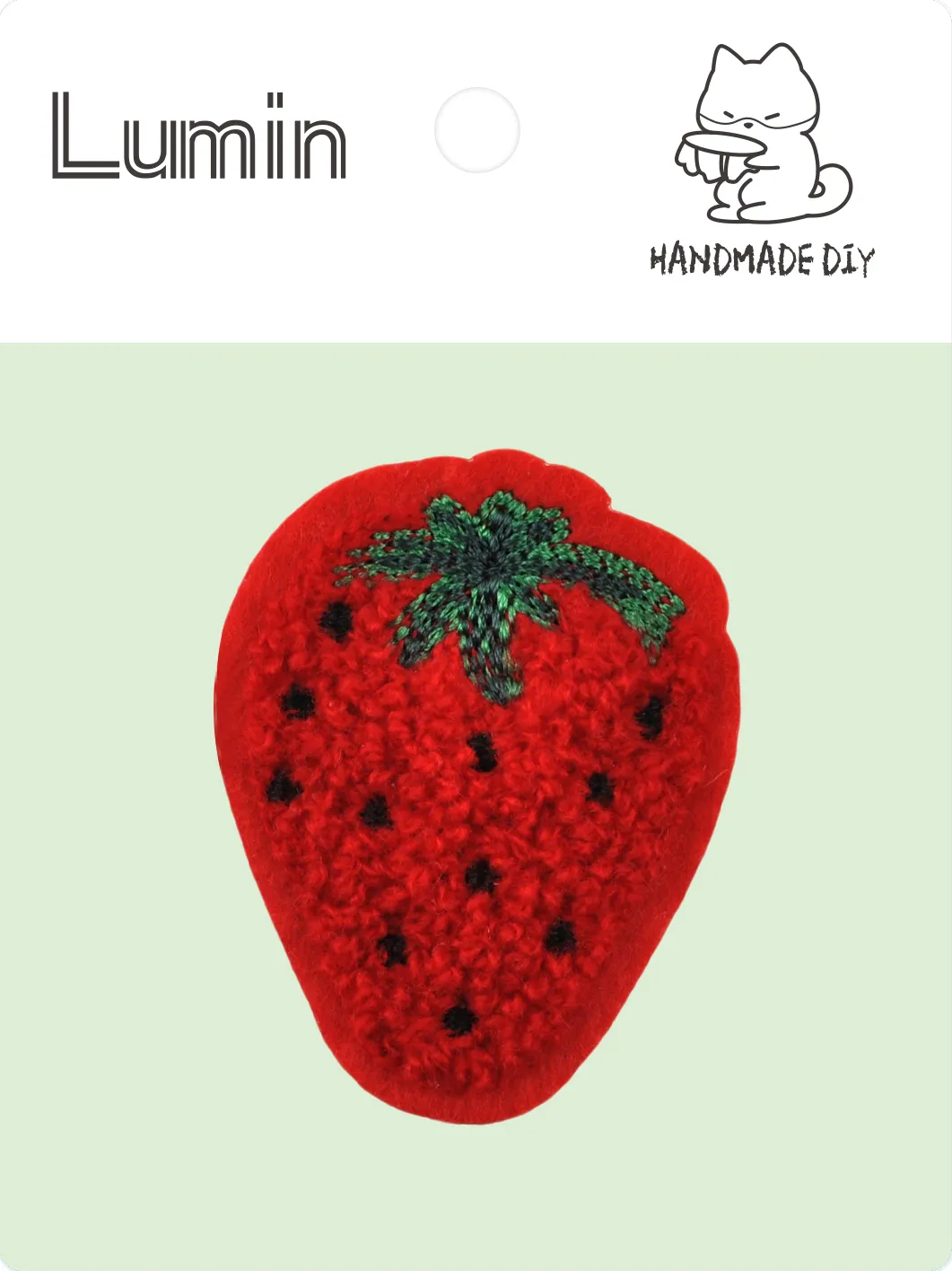
You don’t need a factory to create custom gear. Whether it’s a tiny planet for your jacket or a backpack logo, learning how to make an embroidery patch allows you to wear your personality on your sleeve. While ordering custom badges adds up, creating a DIY embroidery patch at home often saves up to 90 percent of the cost, while the rhythmic stitching offers a proven meditative mental health boost.
Transforming loose cloth into a professional badge relies on just three components: a sturdy base, the thread design, and a sealed edge. Every handmade embroidery patch follows this simple anatomy. This guide moves you from curious observer to confident creator, enabling you to produce durable accessories right at your kitchen table.
The Patch Toolkit: Choosing Fabric and Stabilizers That Won’t Fray
If you’ve ever tried to sew on a stretchy T-shirt, you know how easily it wobbles and warps under the needle. A professional-looking patch requires a much stiffer foundation to survive being sewn onto a backpack or jacket. The best fabric for embroidery patches is heavy cotton twill or canvas—think denim jeans or tote bags rather than soft pajamas. This sturdy embroidery patch material holds its shape and prevents the dreaded “puckering” effect where tight stitches pull the fabric into a wrinkly mess.
Even thick fabric needs a partner to fight distortion. Stabilizer is a stiff, paper-like backing that acts like a temporary spine for your cloth. While you can choose between water soluble vs tear away stabilizer, the tear-away variety is generally easier for beginners; it supports your stitches while you work, then rips off like a perforated notebook page when you’re done. Once your backing is applied, clamp everything into your hoop until it feels tight like a drum skin. This tension ensures the fabric grain stays straight so your circular design doesn’t accidentally stretch into an oval.
Before we start stitching, gather these essentials on your kitchen table:
- Heavy Twill Fabric: Your sturdy base layer.
- Embroidery Hoop: To keep tension tight.
- 6-Strand Floss: Standard cotton thread found at any craft store.
- Sharp Embroidery Needle: Look for a size 5 or 7 to glide through thick cloth.
- Tear-Away Stabilizer: The secret weapon against warping.

Three Stitches to Success: Creating Your Design by Hand
With your fabric secured in the hoop, the first step in making a hand embroidery patch is outlining your design to create a permanent roadmap. The backstitch is the gold standard here because it creates a solid, unbroken line that looks surprisingly professional. Think of this stitch like a game of leapfrog: bring your needle up through the fabric a stride ahead of your last stitch, then reach backward to “connect” the line by diving down into the exact hole of the previous stitch. This locking motion makes your outline incredibly durable, perfect for patches that will eventually live on backpacks or denim jackets.
Once your borders are secure, you will likely want to fill the empty space with bold, solid color using the satin stitch. This technique is essentially coloring with thread; you simply carry the floss across the shape from one side of the outline to the other, creating smooth, parallel bars of thread that sit flush against the fabric. Ideally, these stitches sit so closely together that the background material disappears completely. While this technique creates a beautiful sheen on a handmade embroidery patch, keep your satin stitches shorter than half an inch to prevent them from snagging or becoming loose loops.
For fine details like lettering or sharp curves where a satin stitch might look too bulky, the split stitch offers a refined alternative. This technique involves bringing the needle up through the center of the thread strand you just stitched, effectively splitting the fibers in half to create a braided, chain-like texture. Because the thread anchors itself, this stitch embroidery patch method is excellent for navigating tight corners or writing a name without the lines looking jagged or messy.
Completing your patch requires sealing the raw edges so they don’t unravel, and a tight, wrap-around satin stitch is often used here as well. If you look up a satin stitch border tutorial, you will see how wrapping the thread over the edge creates that classic, raised rim associated with commercial badges. However, hand-stitching a dense border takes significant patience. If you love the idea of custom patches but dread the hours of manual filling and edging, modern technology offers a much faster route.
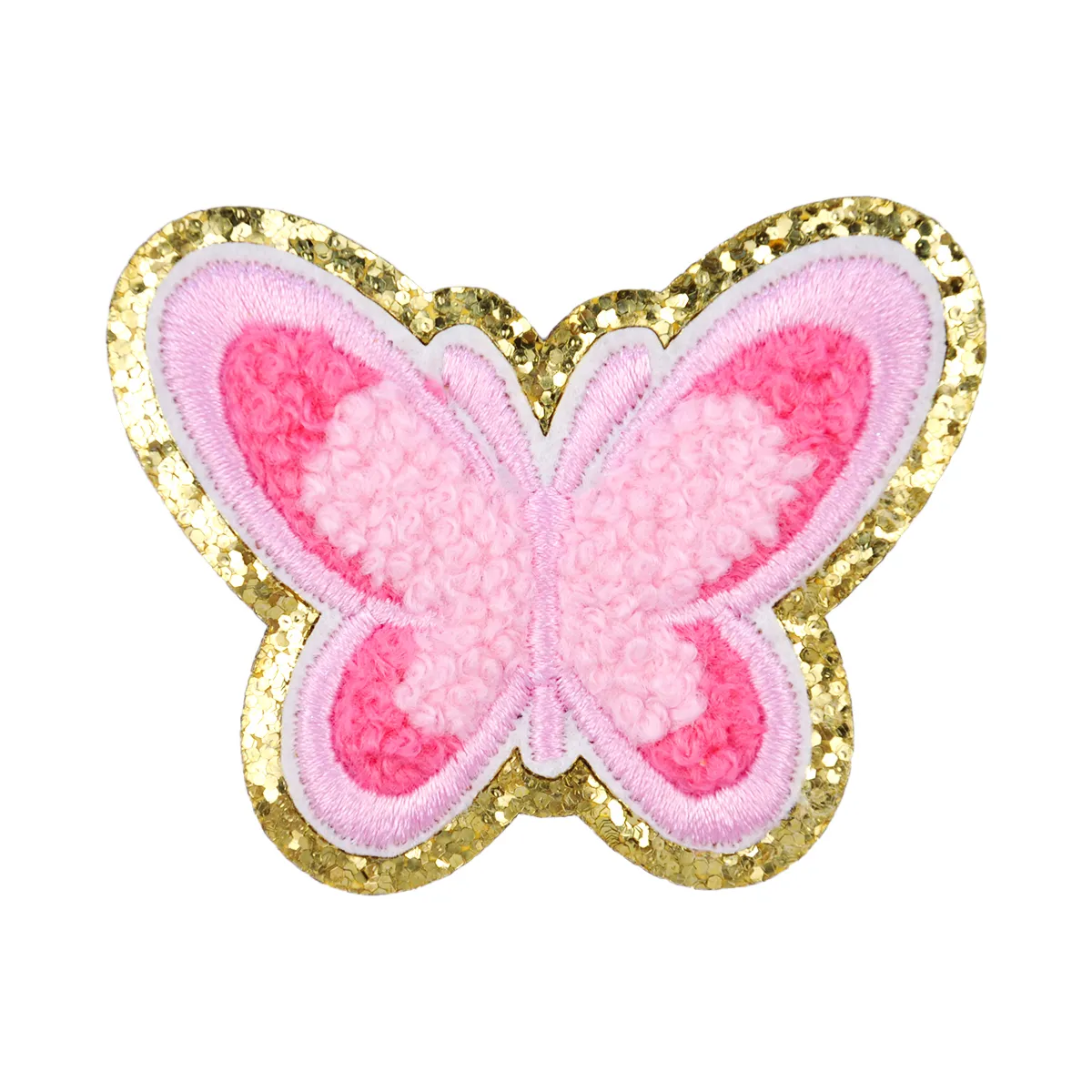
Quick-Start Machine Patches: Hooping and Stitching Without the Stress
If the slow pace of hand stitching feels daunting, learning how to make a patch on embroidery machine setups transforms the process from a weekend project to a twenty-minute task. The secret to a crisp result lies in the “sandwich”: your base fabric (like twill or denim) must sit on top of a sturdy stabilizer. Think of stabilizer as a stiff paper backing that prevents the fabric from puckering under the machine’s rapid-fire needle movement. Unlike hand embroidery where a loose hoop is a minor annoyance, a patch embroidery machine requires strict tension to ensure the design lines up perfectly.
Getting the mechanics right is crucial before hitting the “start” button. Even a basic embroidery machine for patch making relies heavily on balanced thread tension. If your top tension is too loose, you will see messy loops forming on the underside of the patch, creating a “bird’s nest” that can jam the machine. A good rule of thumb is to perform a test stitch on a scrap piece of fabric; you want the colored top thread to be pulled slightly to the back, ensuring the front remains smooth and professional.
When making a patch with embroidery machine software or using pre-loaded designs, start with solid, filled shapes rather than wispy sketches. Machines excel at density, filling areas with zig-zag or tatami stitches (a pattern that looks like a woven mat) much faster than human hands. To ensure every run is a success, follow this quick setup routine:
- Stabilize the hoop: Ensure the backing and fabric are taut with no wrinkles.
- Center the design: Use the machine’s trace function to check the needle path.
- Check thread tension: Verify your top thread isn’t too loose on a scrap test.
- Monitor the bobbin: Make sure you have enough bottom thread to finish the design.
Once the center design is stitched out, the final challenge is creating that iconic raised border to seal the deal.

Locking the Edges: Professional Finishing Without an Industrial Machine
Cutting your design out of the hoop reveals raw fabric edges that look messy and are prone to fraying. To solve this, you need to learn how to finish embroidery patch edges manually using a tight whipstitch. While factories use heavy machinery to create a thick “merrowed edge,” you can achieve a similar professional merrowed edge look by wrapping thread over the border repeatedly. This creates a protective wall of color that locks loose threads in place, ensuring your hard work doesn’t unravel after a few washes.
Once the edges are secure, the patch might still feel too soft or floppy compared to store-bought versions. Applying a specialized embroidery patch backing adds the necessary stiffness to make the badge feel substantial. The most effective option for home crafters is heat seal film for patch backing, a heat-activated adhesive sheet that bonds to the underside of your embroidery. This material not only reinforces the structure but also prepares your creation for the final step: attaching it permanently to your favorite gear.
Stick, Stitch, or Iron: How to Securely Attach Your New Patch
To finish your project, you need to secure your work to its final destination. While attaching patches without sewing is possible using fusible web, high-movement items often require a needle and thread. Choose the method that fits your project:
- Iron-on (Adhesive): Fast and smooth; best for hats or tote bags. Tip: when learning how to use iron-on adhesive for patches, always place a cotton press cloth between the iron and your stitches to prevent melting.
- Sewing (Whipstitch): Slow and permanent; essential for a flexible jeans embroidery patch that withstands frequent washing.
You have transformed loose thread into a badge of creativity. There is no feeling quite like “the peel”—removing your design from the hoop to reveal a stiff, professional object that didn’t exist an hour ago. Whether you are learning how to make an iron on embroidery patch for a gift or to customize your own gear, you now have the power to turn any garment into a canvas. Thread your needle and make your mark.
Frequently Asked Questions (FAQ)
1. What is the best fabric for making DIY embroidery patches?
Heavy cotton twill or canvas works best. These sturdy fabrics hold their shape, resist puckering, and provide a professional base. Avoid stretchy materials like T-shirt jersey, which warp under tension.
2. What’s the difference between tear-away and water-soluble stabilizer?
Tear-away stabilizer: Rips off easily like perforated paper after stitching. Best for dense designs on sturdy fabrics. Ideal for beginners.
Water-soluble stabilizer: Dissolves in water. Perfect for delicate fabrics or when you want the patch to have no visible backing residue.
3. How do I prevent my patch edges from fraying?
Use a tight whipstitch or satin stitch around the entire border. This “merrowed edge” technique wraps thread over the raw fabric edge, locking loose threads in place. For machine-made patches, use a dense zig-zag or satin stitch as the final step.
4. Can I make iron-on patches at home?
Yes. After finishing your embroidered patch, apply heat seal film (adhesive backing) to the underside using a household iron. This creates a permanent iron-on bond. Always use a cotton press cloth between the iron and stitches to prevent melting or scorching.
5. How do I attach a patch without sewing?
Use fusible web or heat seal film:
Cut adhesive to match patch size.
Iron onto the patch back (follow product instructions).
Position patch on garment.
Iron again to bond.
For high-movement items (jeans, backpacks), sewing is still more durable.
6. What are the most useful stitches for handmade patches?
| Stitch | Best For | Difficulty |
|---|---|---|
| Backstitch | Outlines and borders | Easy |
| Satin Stitch | Filling solid areas, edge finishing | Medium |
| Split Stitch | Fine details, lettering, curves | Medium |
| Whipstitch | Sealing raw edges | Easy |
Start with backstitch for outlines, then fill with satin stitch. Practice on scrap fabric first to build confidence.
