


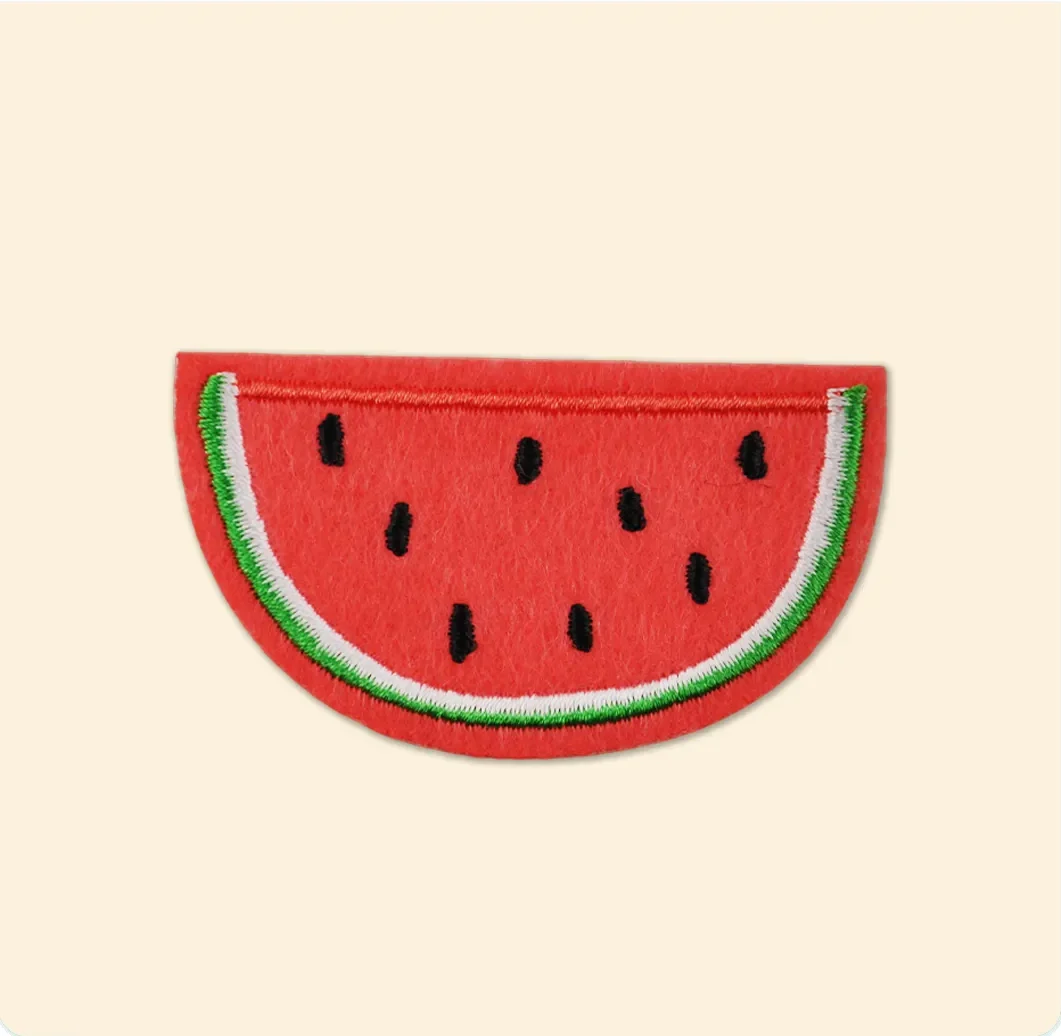
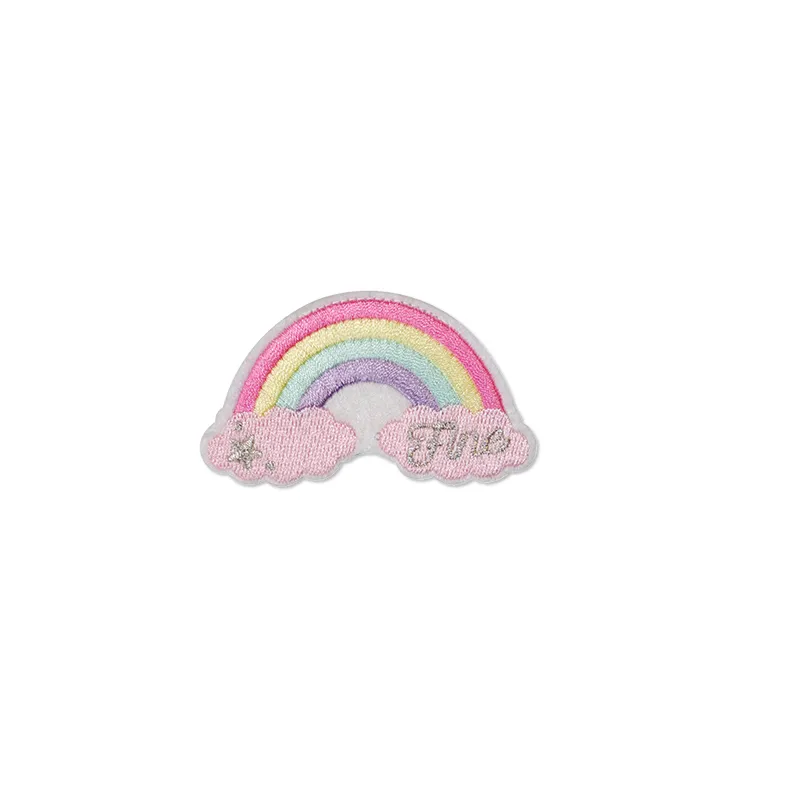
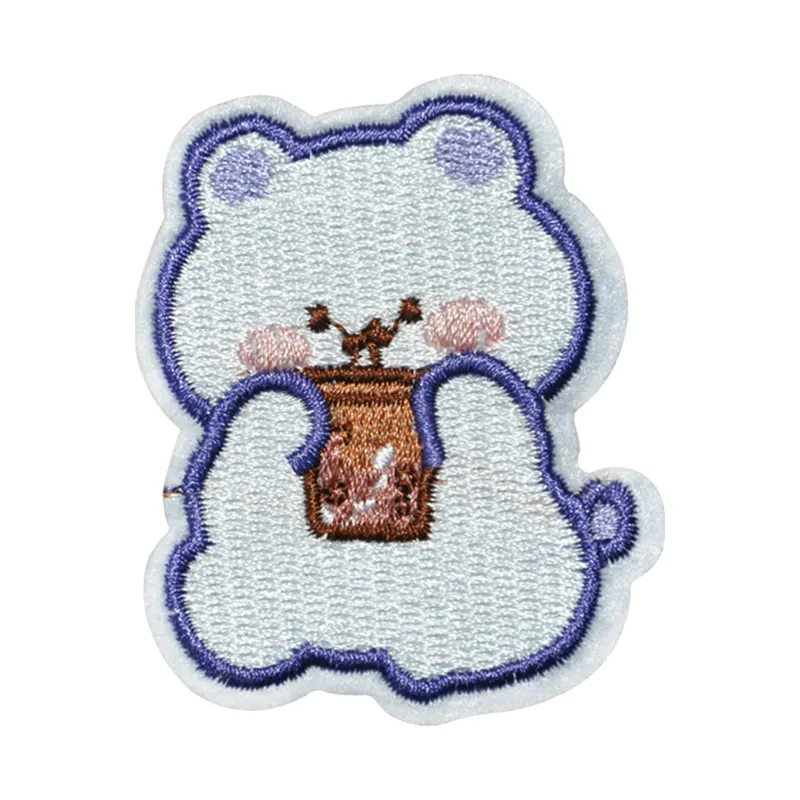
Imagine transforming a simple piece of fabric into a stunning work of art, where every stitch tells a story, and texture brings designs to life. In the world of embroidery, the choice of fabric is crucial for achieving that magical transformation. Enter patch twill, a game-changer that is pushing the boundaries of creativity in embroidery. Known for its durability and smooth finish, patch twill provides the perfect canvas for your intricate designs, ensuring each thread stands out with unparalleled clarity and vibrancy.
But what exactly makes patch twill for embroidery so special? It’s not just about aesthetics; it’s about functionality. This fabric’s unique weave structure offers the strength needed to withstand the rigorous demands of embroidery machines while maintaining its integrity over time. Whether you’re a seasoned embroiderer or just starting your journey, understanding the benefits of patch twill could be the key to elevating your craft to new heights. Prepare to dive into a realm where creativity meets precision, and discover how patch twill can be the secret ingredient to your embroidery perfection.
The Origins of Patch Twill Fabric
Patches and twill weaves both have a rich history that dates back centuries. Twill fabric itself emerged in ancient civilizations, prized for its diagonal rib pattern that added strength and durability to garments. Early twill variants were adopted by military and laborers for uniforms and workwear because the weave resisted tearing and wore evenly over time. As embroidery traditions evolved—embellishing clothing, banners, and accessories—artisans sought a base fabric that could support dense stitching without puckering or distortion.
The concept of patch twill grew from this need, blending the robust qualities of twill with the versatility of patches. Originally, patches were simple overlays of fabric used to mend torn garments. Over time, manufacturers began producing pre-cut twill patches that could be embroidered and affixed to uniforms, hats, and bags. By the mid-20th century, industrial embroidery machines demanded a uniform substrate that wouldn’t fray under tension. Patch twill emerged as the ideal solution—engineered in various weights, colors, and finishes to accommodate everything from emblems and logos to intricate decorative motifs. Today, patch twill for embroidery stands at the crossroads of tradition and innovation, carrying forward a legacy of functionality while inspiring modern crafters to push creative boundaries.
Characteristics and Properties of Patch Twill
Patch twill for embroidery is defined by its distinctive diagonal weave, which lends the fabric both strength and subtle texture. This interlaced pattern creates lines that run diagonally across the surface, giving the material a visually appealing finish that complements stitched designs. Unlike plain weaves, twill’s construction allows it to drape gracefully while resisting wrinkles, making it an excellent choice for patches that need to maintain sharp edges and precise shapes.
Beyond aesthetics, patch twill offers a sturdy yet flexible base that can endure high-speed embroidery machine operations without tearing or stretching. The fabric is available in a variety of weights—from lightweight twills suited for fine-detail work to heavyweight options designed for large, outdoor patches. Many manufacturers apply colorfast dyes and anti-fray backings to enhance longevity, ensuring that patches maintain vibrancy through repeated washings and extended wear. In short, patch twill combines durability, versatility, and a professional-grade finish, providing embroiderers with an optimal canvas for bringing designs to life.
Preparing Patch Twill for Embroidery: Tips and Techniques
Proper preparation of patch twill for embroidery lays the foundation for flawless results. Begin by pre-washing your twill to remove any sizing agents or residues from manufacturing—this prevents shrinkage and ensures that your patch design remains true to scale. Once dry, press the fabric on a medium setting to eliminate wrinkles, then trim to the desired patch shape, leaving at least a quarter-inch margin around the design area for hooping and stabilizing.
Stabilization is critical when working with patch twill. Use a cut-away stabilizer beneath the twill to support dense stitching and prevent the fabric from puckering under the needle. Hoop the twill and stabilizer together, making sure the fabric lies flat without tension or distortion. Lightly spray a temporary adhesive on the stabilizer if needed to keep layers from shifting. Mark your design’s center point with a water-soluble pen, then align your embroidery machine’s hoop to guarantee precise placement. These preparatory steps help maintain crisp outlines and clean stitch execution, allowing the patch twill for embroidery to showcase your design with clarity and stability.
Embroidery Techniques That Shine with Patch Twill
Patch twill’s smooth yet robust surface makes it an ideal canvas for a variety of embroidery techniques. Satin stitch excels on this fabric, delivering a glossy finish that contrasts beautifully against the subtle texture of the twill. Use a medium-weight rayon or polyester thread to achieve bold, reflective stitches that pop. For intricate lettering or fine details, try split stitches or small backstitches, which offer precision without piercing the fabric excessively.
Fill stitches and appliqué methods also flourish on patch twill. Dense fill patterns create dimensional effects, and the stability of the twill prevents distortion during stitching. If you’re exploring 3D puff or foam-backed embroidery, patch twill provides the support necessary for raised elements to maintain their shape over time. Combining multiple techniques—such as an appliqué background with satin stitch outlines—can further elevate your designs, making patch twill patches truly stand out in terms of clarity and vibrancy.
Innovations in Patch Twill Technology
The world of patch twill for embroidery continues to evolve with technological advancements. Digital weaving looms now produce high-definition twill bases with ultra-fine rib patterns that allow for even more precise stitching. Laser cutting has revolutionized patch manufacturing, enabling intricate border shapes and micro-precision edges without fraying. Some modern twill fabrics incorporate eco-friendly fibers—such as recycled polyester blends—and water-based dyes, reflecting a growing trend toward sustainability in textile production.
Another innovation is the integration of adhesive backings directly into patch twill, simplifying the application process for end users. Peel-and-stick varieties bond securely to garments with heat activation, offering an alternative to traditional sewing or ironing. Waterproof and UV-resistant coatings are also becoming more common, ensuring that embroidered patches retain their color and texture even in harsh outdoor conditions. These developments mean that crafters and manufacturers alike have access to a broader palette of performance features, unlocking fresh creative possibilities for patch twill projects.
Conclusion: Elevating Your Embroidery Craft with Patch Twill
Patch twill for embroidery opens up a world of creative potential, marrying durability with a refined surface that showcases every stitch. From its storied origins to the cutting-edge innovations of today, this fabric remains a cornerstone for anyone serious about achieving professional-quality patches.
By understanding its properties, mastering preparation techniques, and experimenting with advanced embroidery methods, you can harness the magic of patch twill and elevate your projects to new heights of clarity, vibrancy, and longevity.
