

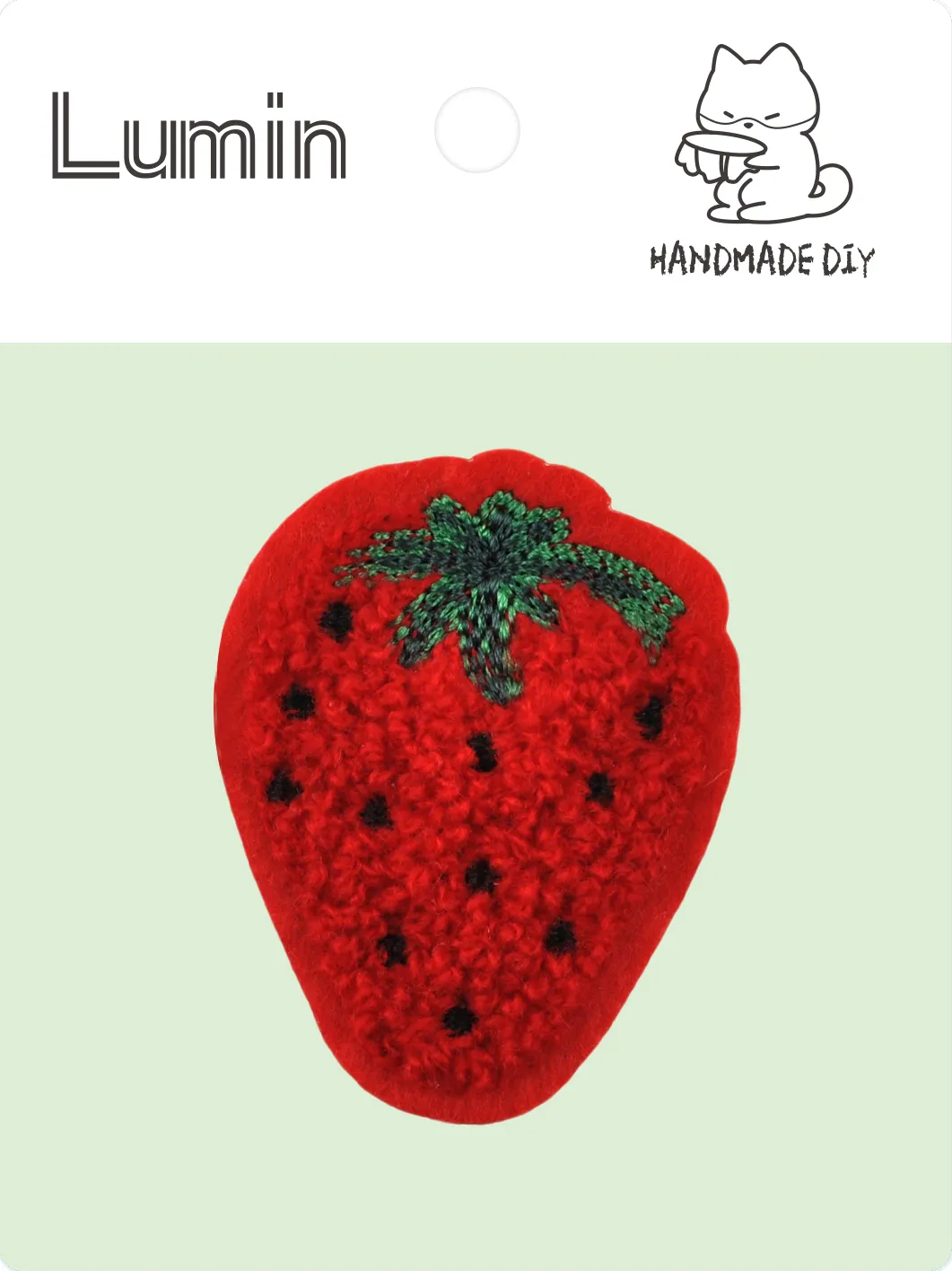
Mastering 3D Embroidery: Techniques & Designs
In the realm of textile arts, 3D embroidery has emerged as a dynamic and captivating technique that elevates the aesthetic appeal of fabric embellishment. Unlike traditional embroidery, which lays flat against the fabric, 3D embroidery introduces a sense of depth and texture, creating a visually striking effect that brings designs to life. This innovative approach not only transforms ordinary textiles into extraordinary pieces but also enables artists to explore new dimensions of creativity. This article delves into the intricacies of 3D embroidery, exploring its methods, applications, and the innovative materials that make it possible.
The allure of 3D embroidery lies in its ability to capture attention and evoke tactile curiosity. As the fashion and design industries increasingly value unique and personalized creations, 3D embroidery offers a distinctive way to stand out. By infusing fabric with volume and texture, this technique provides an avenue for artists and designers to express their creativity in unparalleled ways. Whether used in haute couture or everyday accessories, 3D embroidery adds an element of surprise and sophistication to any design.

3D embroidery, also known as raised or puff embroidery, involves stitching designs onto fabric in a way that they protrude, creating a three-dimensional effect. This technique is achieved through the use of specialized materials and techniques, such as 3D puff embroidery foam, which enhances the dimensionality of embroidered patterns. The process requires precision and skill, as the embroiderer must balance the tension of the stitches to ensure the foam underneath remains adequately raised. Mastering this balance is crucial, as it directly impacts the overall appearance and durability of the finished design.
The intricacies of 3D embroidery go beyond just adding foam beneath stitches. It involves a deep understanding of how different materials interact, how stitch density affects the final look, and how to manipulate digital patterns to achieve the desired outcome. This technique challenges traditional notions of embroidery by introducing a sculptural element that invites exploration and experimentation. As a result, 3D embroidery is not only a craft but an art form that continually evolves as practitioners push the boundaries of what is possible.
At the heart of 3D embroidery is the use of 3D puff embroidery foam. This foam serves as the foundation for the raised effect, inserted beneath the fabric before stitching. The foam is available in various thicknesses and colors, allowing for customization based on the design requirements. The foam’s resilience ensures that it maintains its structure even after stitching, providing a consistent and durable raised effect. Moreover, the choice of foam thickness can dramatically alter the visual impact of the embroidery, making it a versatile tool for designers.
Beyond thickness and color, the quality of the foam is paramount in achieving a successful 3D effect. High-quality foam resists compression over time, ensuring that the embroidered design remains prominent and retains its three-dimensional appearance. This longevity is essential for garments and accessories that undergo frequent use. As the demand for 3D embroidery grows, manufacturers continue to innovate and improve foam materials, offering even greater possibilities for artistic expression.
The choice of embroidery threads and needles plays a crucial role in the success of a 3D embroidery project. High-quality threads that are robust and vibrant are essential for creating striking designs. Additionally, needles with larger eyes and thicker shafts are preferred to accommodate the additional layers of foam and fabric. The selection of threads and needles must complement the design’s complexity and the fabric’s characteristics to ensure seamless execution.
Thread quality directly influences the visual appeal and durability of the embroidery. Threads that are prone to fraying or fading can detract from the overall effect, diminishing the impact of the 3D design. Therefore, investing in premium threads is a worthwhile consideration for those aiming to produce high-caliber work.

rly, the choice of needle affects the ease of stitching and the precision of the final design, making it an essential aspect of the preparation process.
While 3D embroidery can be applied to various fabrics, certain materials lend themselves better to this technique. Sturdy fabrics such as denim, canvas, and twill provide a stable base for the foam and stitches, ensuring the design retains its dimensionality. However, with careful handling, 3D embroidery can also be performed on more delicate fabrics for a sophisticated effect. The fabric choice influences not only the aesthetics but also the practical application of the embroidered piece.
Selecting the right fabric involves considering the end use of the embroidered item. For instance, durable fabrics are ideal for high-wear items like jackets and bags, while more delicate fabrics may be chosen for decorative purposes. The compatibility of the fabric with both the foam and threads is crucial in achieving a harmonious and lasting 3D effect. As with other materials, innovations in fabric technology continue to expand the possibilities for 3D embroidery, allowing for greater experimentation and creativity.
The process of creating 3D puff embroidery designs begins with digitizing the pattern. This involves converting the design into a digital file that guides the embroidery machine. The digitization process is critical, as it determines the stitch placement and density, which are pivotal in achieving the desired raised effect. A well-executed digitization not only ensures precision but also maximizes the design’s impact and longevity.
Digitizing for 3D embroidery requires a keen understanding of how stitches interact with foam and fabric. Designers must anticipate how different stitch types will contribute to the overall dimensionality and adjust their patterns accordingly. This foresight, combined with technical expertise, allows for the creation of designs that are both visually stunning and structurally sound. As technology advances, digitizing software becomes increasingly sophisticated, offering greater flexibility and precision for 3D embroidery projects.
Once the design is digitized, the fabric is hooped, and the foam is placed beneath the area to be embroidered. The embroidery machine then stitches over the foam, securing it to the fabric. The stitching pattern is crucial, as it must encapsulate the foam entirely to prevent any movement or distortion. After the design is completed, excess foam is carefully trimmed away, leaving the raised design intact. This meticulous process is key to achieving a clean and polished final product.
The embroidery process demands attention to detail at every step. From ensuring the fabric is taut in the hoop to trimming excess foam with precision, each action contributes to the success of the design. The embroiderer’s skill in managing the machine’s settings and monitoring the progress is essential to maintain consistency and quality. As practitioners gain experience, they develop an intuitive understanding of how to manipulate materials and techniques to achieve the best results.
3D embroidery is widely used in fashion and accessory design, where it adds a luxurious and tactile element to garments and accessories. Custom 3D puff embroidery hats, caps, and jackets are particularly popular, as they offer a unique way to display logos and designs. Additionally, 3D embroidery is used in home décor, creating intricate and eye-catching details on items such as cushions, curtains, and wall hangings. This versatility makes it a valuable tool for designers seeking to enhance the appeal of their creations.
Beyond fashion and home décor, 3D embroidery finds applications in various industries, including automotive interiors and corporate branding. Its ability to add texture and dimension makes it an appealing choice for businesses looking to create a memorable visual impact. As the technique continues to gain traction, its use in unconventional applications is likely to expand, pushing the boundaries of traditional embroidery and opening new avenues for creative exploration.
Fashion designers have embraced 3D embroidery as a means of pushing the boundaries of textile design. This technique allows for the creation of intricate patterns and textures that transform ordinary garments into statement pieces. From subtle embellishments to bold, voluminous designs, 3D embroidery offers endless possibilities for creativity and innovation in fashion. It enables designers to experiment with form and structure, creating garments that challenge conventional silhouettes and expectations.
The impact of 3D embroidery in fashion is profound, as it bridges the gap between art and wearability. By incorporating three-dimensional elements into fabric, designers can craft pieces that captivate attention and inspire admiration. This fusion of art and fashion encourages dialogue and interpretation, as each piece becomes a canvas for storytelling and expression. As trends evolve, 3D embroidery remains a powerful tool for designers seeking to redefine the boundaries of fashion and explore new horizons of creativity.
Executing 3D embroidery requires a high level of precision and skill. The embroiderer must carefully manage stitch tension and placement to ensure the foam beneath remains evenly distributed. Additionally, the choice of materials and the digitization process must be meticulously executed to achieve the desired effect. Mastery of these elements is essential for producing high-quality work that withstands the test of time.
The challenges of 3D embroidery extend beyond technical execution, as each project presents unique considerations and potential obstacles. Factors such as fabric type, design complexity, and intended use all influence the approach and methodology. As practitioners gain experience, they develop the ability to anticipate and overcome these challenges, honing their craft and expanding their capabilities. This continual learning process is an integral part of the journey toward mastering the art of 3D embroidery.
While 3D embroidery is durable, it does require special care to maintain its appearance. Garments and accessories with 3D embroidery should be handled gently, and washing instructions should be followed to prevent damage to the raised designs. Dry cleaning or hand washing is often recommended to preserve the integrity of the embroidery. Proper storage and handling are also crucial in preventing deformation and ensuring the longevity of the piece.
Owners of 3D embroidered items should be mindful of environmental factors that could affect the embroidery’s condition, such as exposure to sunlight or moisture. Regular maintenance, such as gentle cleaning and careful storage, helps preserve the vibrancy and structure of the design. By following recommended care guidelines, individuals can enjoy the beauty and uniqueness of 3D embroidery for years to come, making it a worthwhile investment in both artistry and craftsmanship.
3D embroidery is a captivating art form that combines traditional techniques with modern innovation. Its ability to add depth and dimension to fabric makes it a valuable tool in the realms of fashion, accessory design, and home décor. As technology continues to advance, the possibilities for 3D embroidery are bound to expand, offering artists and designers new opportunities to explore and express their creativity. This evolution promises to enrich the landscape of textile arts, inspiring future generations of artists and designers.
For those interested in exploring the art of 3D embroidery, starting with simple designs and gradually advancing to more complex patterns is advisable. Whether you are a seasoned embroiderer or a novice eager to learn, the world of
 3D embroidery offers a fascinating journey into the realm of textile art. As practitioners embark on this journey, they are encouraged to embrace experimentation and innovation, pushing the limits of what is possible with needle and thread.
In conclusion, the art of 3D embroidery not only enhances the visual appeal of fabric but also exemplifies the endless possibilities of artistic expression through textiles. As you embark on your 3D embroidery journey, may you find inspiration and creativity in every stitch. The fusion of tradition and innovation ensures that 3D embroidery will continue to captivate and inspire, leaving a lasting impact on the world of textile arts.
Frequently Asked Questions (FAQ)
1. What is 3D embroidery and how does it differ from traditional embroidery?
3D embroidery (also called puff or raised embroidery) creates a dimensional, raised effect that stands off the fabric surface. Traditional embroidery lays flat against the material like a painting. 3D embroidery achieves depth by placing a hidden “skeleton” – typically specialty EVA foam – underneath the stitches. The needle then sews a dense satin stitch completely over the foam, hiding it inside the threads. The result is a tactile, sculptural design that feels premium and captures attention.
2. What materials are essential for 3D puff embroidery?
| Material | Purpose | Typical Specs |
|---|---|---|
| EVA foam | Creates the raised foundation under stitches | 2mm (subtle pop) or 3mm (maximum height) |
| High-density satin thread | Wraps completely around foam | Dense stitching; threads packed nearly twice as close as normal |
| Sturdy fabric | Provides stable base | Denim, canvas, twill (delicate fabrics require careful handling) |
| Larger needle | Accommodates extra layers | Thicker shaft; larger eye for foam and thread bulk |
| Digitized design file | Guides machine stitch placement | Must be created specifically for 3D (cannot convert from flat designs) |
3. What is the difference between 2mm and 3mm 3D embroidery foam?
| Thickness | Result | Best For |
|---|---|---|
| 2mm | Subtle, rounded lift | Standard hats, curved lettering, delicate script |
| 3mm | Bold, maximum height | Chunky block letters, athletic logos, high-impact designs |
Foam density also matters:
Standard density – Soft, easy to tear; general use
High density – Firm, resists squishing; holds sharp architectural corners
Color tip: Match foam color to thread color so any tiny gaps between stitches are less noticeable.
4. How does the digitizing process differ for 3D puff embroidery?
Digitizing for 3D is fundamentally different from flat embroidery. The digitizer must:
Map stitch placement – So the needle completely encapsulates the foam
Increase stitch density – Threads must pack tightly to hide the foam entirely
Add “capping stitches” – Tiny specialized stitches at column ends to seal the design (like folding wrapping paper ends over a gift box)
Account for foam compression – Adjust tension so foam stays raised without flattening
Critical note: You cannot take a standard flat embroidery file and simply stitch it over foam. The threads will spread too far apart, leaving exposed foam peeking through gaps. 3D requires files built specifically for puff.
5. What fabrics work best for 3D embroidery, and can I use delicate materials?
| Fabric Type | Suitability | Notes |
|---|---|---|
| Denim, canvas, twill | Excellent | Sturdy base; holds foam and dense stitches well |
| Leather | Good | Requires sharp needles; no foam needed for some effects |
| Cotton (heavy) | Good | Stable; works well with proper hooping |
| Polyester blends | Fair | Use lower heat if iron-on; sew-on preferred |
| Silk, satin, lightweight | Challenging | Requires careful handling; may pucker under dense stitches |
For delicate fabrics, reduce stitch density and use lighter foam (2mm or less). Test on scrap material first.
6. How do I care for garments with 3D embroidery?
3D embroidery is durable but requires special care to maintain the raised effect:
| Task | Recommendation | Why |
|---|---|---|
| Washing | Dry clean or hand wash | Machine agitation can compress foam |
| Drying | Air dry only | High heat can warp foam or melt synthetic threads |
| Ironing | Never iron directly over design | Heat flattens the raised effect permanently |
| Storage | Lay flat or hang | Folding can crease foam; store away from direct sunlight |
Lifespan: High-quality 3D embroidery (with proper materials and technique) can last for years. Low-quality foam or incorrect stitch density will compress and flatten over time. When choosing custom 3D work, invest in good materials and experienced digitizers.
Getting started checklist:
Download beginner-friendly 3D puff designs to practice the “hide and seek” method
Test on scrap fabric – adjust tension and density before final piece
Order a sample from a professional 3D embroidery service to inspect quality
Match foam thickness to design – 2mm for curves/script, 3mm for blocky bold logos
3D embroidery transforms ordinary fabric into a tactile masterpiece. By hiding a foam skeleton beneath dense satin stitches, you achieve a premium, attention-grabbing finish that flat stitching cannot match. Whether on hats, jackets, or accessories, mastering this technique opens new dimensions for creative expression.
