


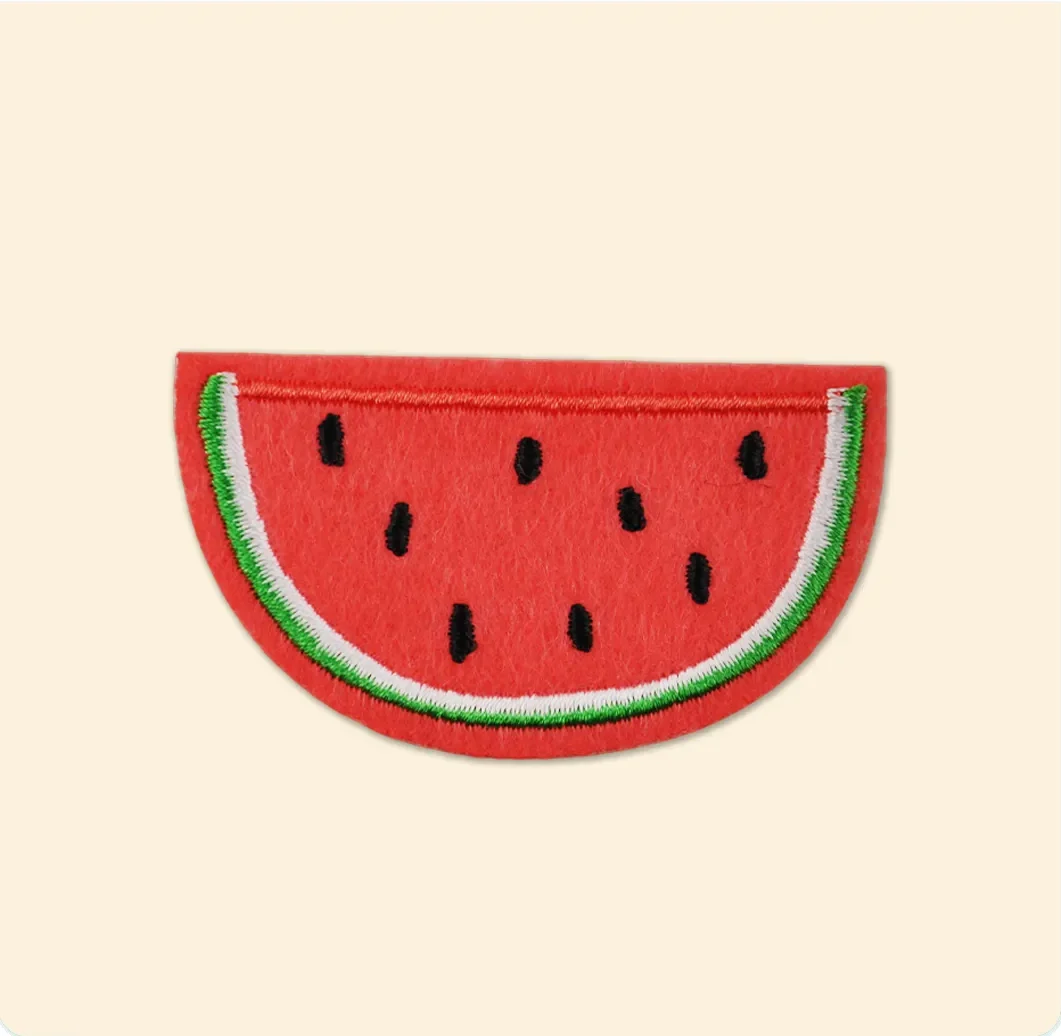
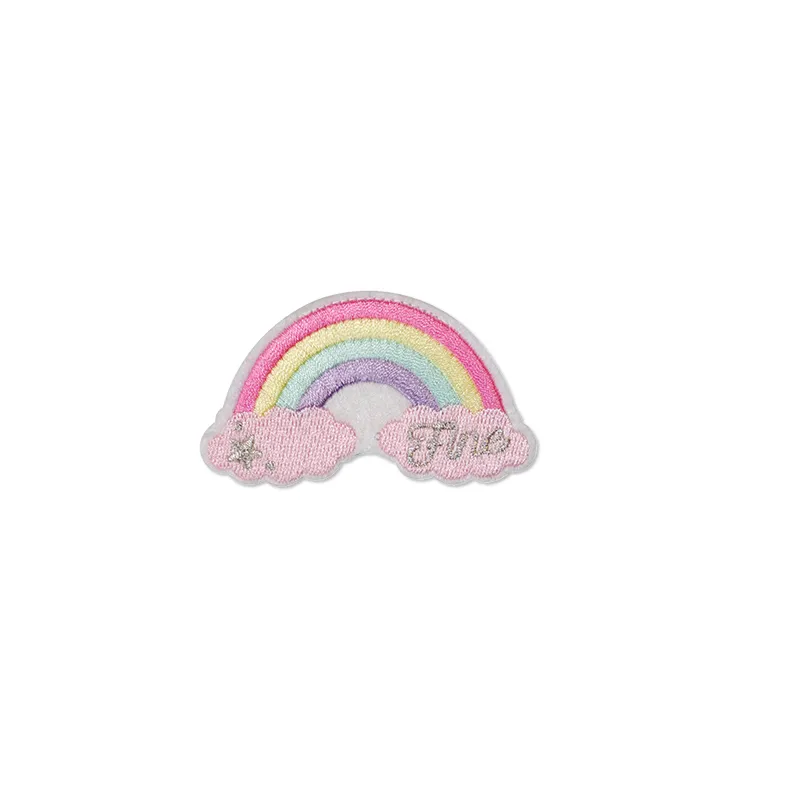
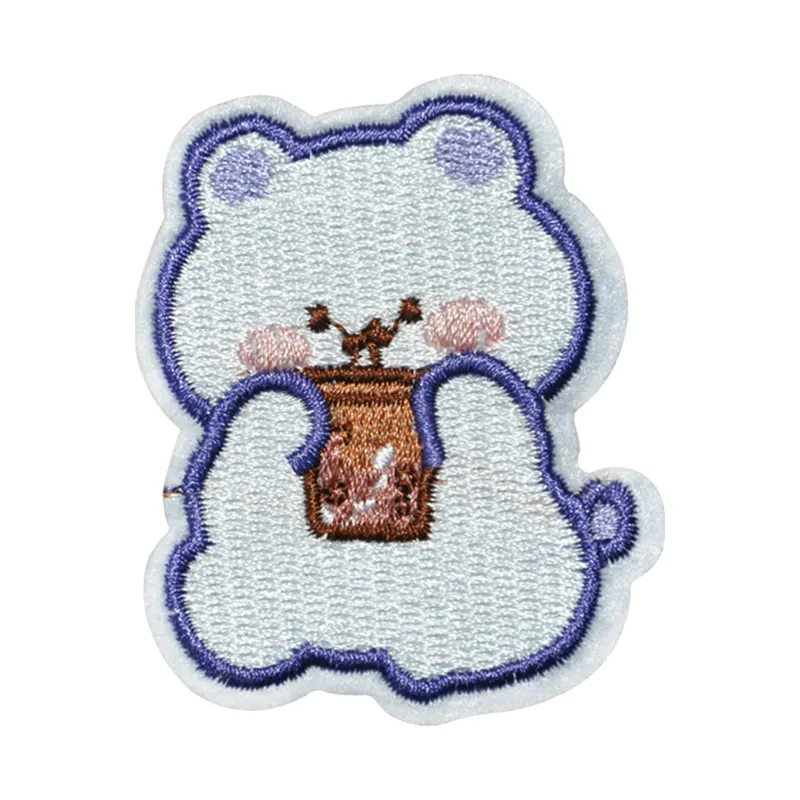
Embroidered patches are a popular way to add personality and flair to clothing, accessories, and especially hats. Whether you’re designing custom embroidered patches for a personal project or a brand, selecting the right fabric is crucial to achieving the desired look and durability. In this article, we will explore the types of fabric commonly used for embroidered patches and how they can affect the patch’s appearance and functionality.

Embroidered patches are pieces of fabric with a design stitched onto them using embroidery thread. These patches can be sewn onto garments or attached using adhesive methods. The choice of fabric plays a significant role in the patch’s appearance, texture, and longevity.
Common Fabrics for Embroidered Patches
When creating custom embroidered patches, several types of fabric are commonly used. Each fabric type offers unique benefits and aesthetic qualities.
Twill
Twill is the most popular fabric choice for embroidered patches. Its diagonal weave pattern provides a sturdy yet smooth surface that showcases embroidery threads beautifully. Twill is known for its durability, making it an excellent choice for custom hat patches and other accessories that may face wear and tear.
Felt
Felt is another fabric option for embroidered patches. It has a soft texture and is available in various colors. Felt is easy to work with and provides a vintage or retro look to patches. However, it may not be as durable as twill, especially for items that are frequently washed or exposed to the elements.
Cotton
Cotton is a versatile and natural fabric that can be used for custom embroidered patches. It offers a classic look and is breathable, which is beneficial for wearables like hats. Cotton patches are comfortable and can be easily sewn or glued onto hats and garments.
Polyester
Polyester is a synthetic fabric often used for embroidered patches due to its resistance to stretching and shrinking. It is also colorfast, meaning it holds dye well, which is ideal for vibrant patch designs. Polyester patches are durable and withstand frequent washing, making them suitable for various applications.
Choosing the Right Fabric for Your Project

When selecting fabric for your embroidered patches, consider the following factors:
Durability
Assess the durability requirements of your project. If the patches will be used on items that are frequently worn or washed, such as hats or jackets, twill or polyester may be the best choice. For decorative purposes or less demanding applications, felt or cotton can be considered.
Aesthetic
The fabric you choose will influence the overall look and feel of the patch. Twill provides a professional and polished appearance, while felt offers a softer, more casual look. Cotton and polyester each have their own aesthetic qualities that can complement your design.
Ease of Attachment
Consider how you plan to attach the patches to the hats or garments. For no-sew hat patch attachment, pressure-sensitive patches or adhesive-backed patches are convenient options. Ensure the fabric is compatible with the adhesive for the hats you plan to use.
DIY Embroidered Patches
Creating your own DIY embroidered patches can be a fun and rewarding project. Here are some tips to get you started:
Materials Needed
- Fabric (twill, felt, cotton, or polyester)
- Embroidery thread
- Embroidery hoop
- Embroidery needle
- Scissors
- Adhesive for hats or sewing supplies for attachment
Steps to Create DIY Patches
- Select Your Fabric: Choose a fabric that suits your project’s needs in terms of durability and appearance.
- Design Your Patch: Sketch your design on paper or use embroidery software to create a pattern.
- Prepare the Fabric: Cut the fabric to the desired patch size, leaving a small margin for trimming.
- Embroidery: Secure the fabric in an embroidery hoop and stitch your design using embroidery thread.
- Finishing Touches: Trim excess fabric around the design and finish the edges with a zigzag stitch to prevent fraying.
- Attachment: Decide on your attachment method. Use sewing techniques or apply adhesive for hats for a no-sew option.
Attaching Embroidered Patches

Once your patches are ready, you need to attach them to your hats or garments. Here are some methods to consider:
Sewing
Sewing is the traditional method of attaching patches. It provides a secure attachment and is ideal for items that will undergo regular use and washing. Use a needle and thread that matches the patch’s border for a seamless look.
Adhesive
For a quicker attachment method, consider using adhesive for hats. Pressure-sensitive patches come with a sticky backing that can be pressed onto the fabric. This no-sew hat patch attachment method is convenient and works well for decorative patches on accessories.
Conclusion
Choosing the right fabric for your embroidered patches is essential for achieving the desired look and ensuring the patch’s longevity. Whether you prefer the durability of twill, the softness of felt, the classic appeal of cotton, or the resilience of polyester, each fabric offers unique advantages for custom embroidered patches. With the right materials and techniques, you can create beautiful and lasting patches that enhance your hats and other garments.
Embrace the creativity of designing your own patches and enjoy the personalization they bring to your accessories!
