
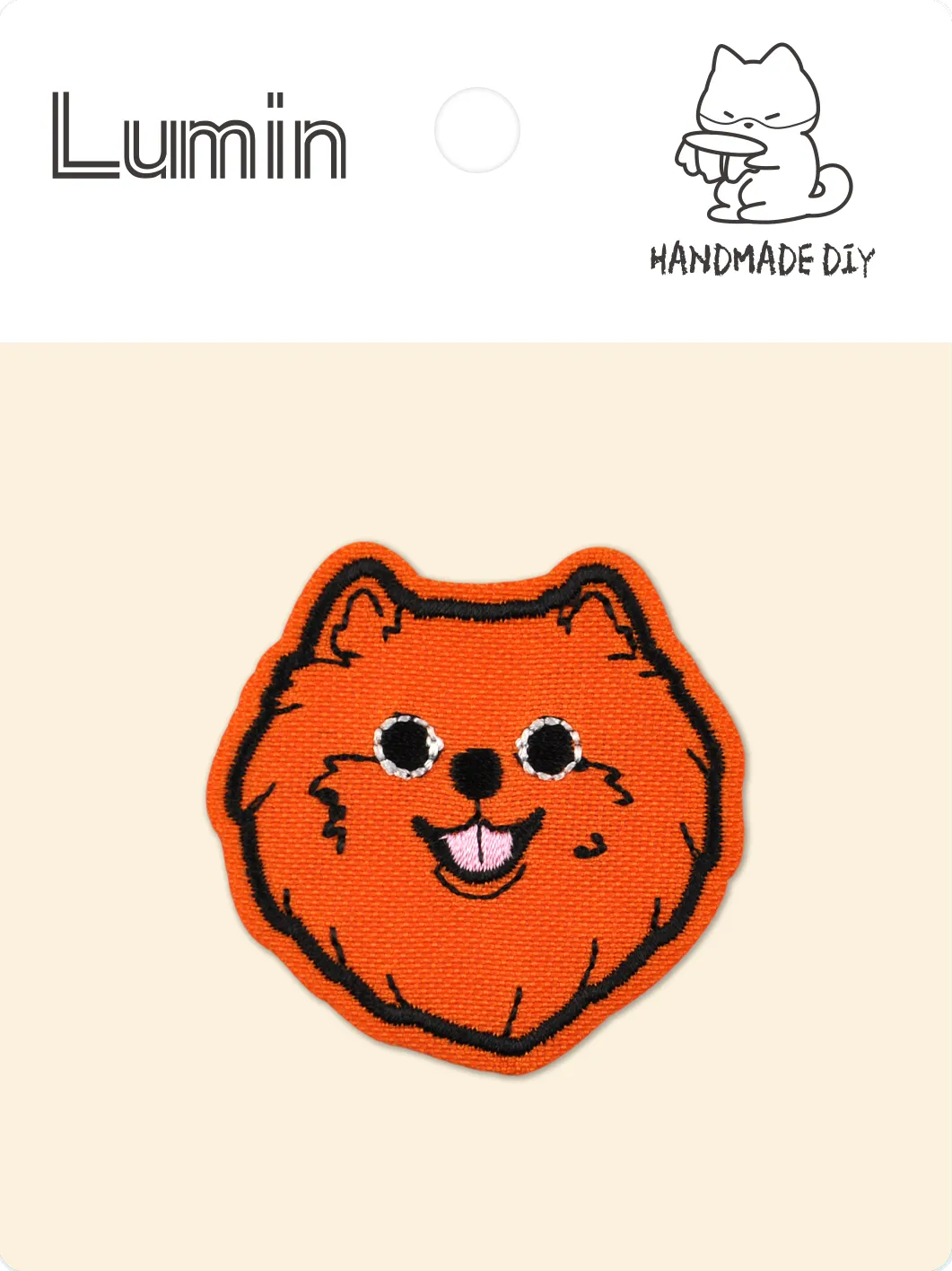
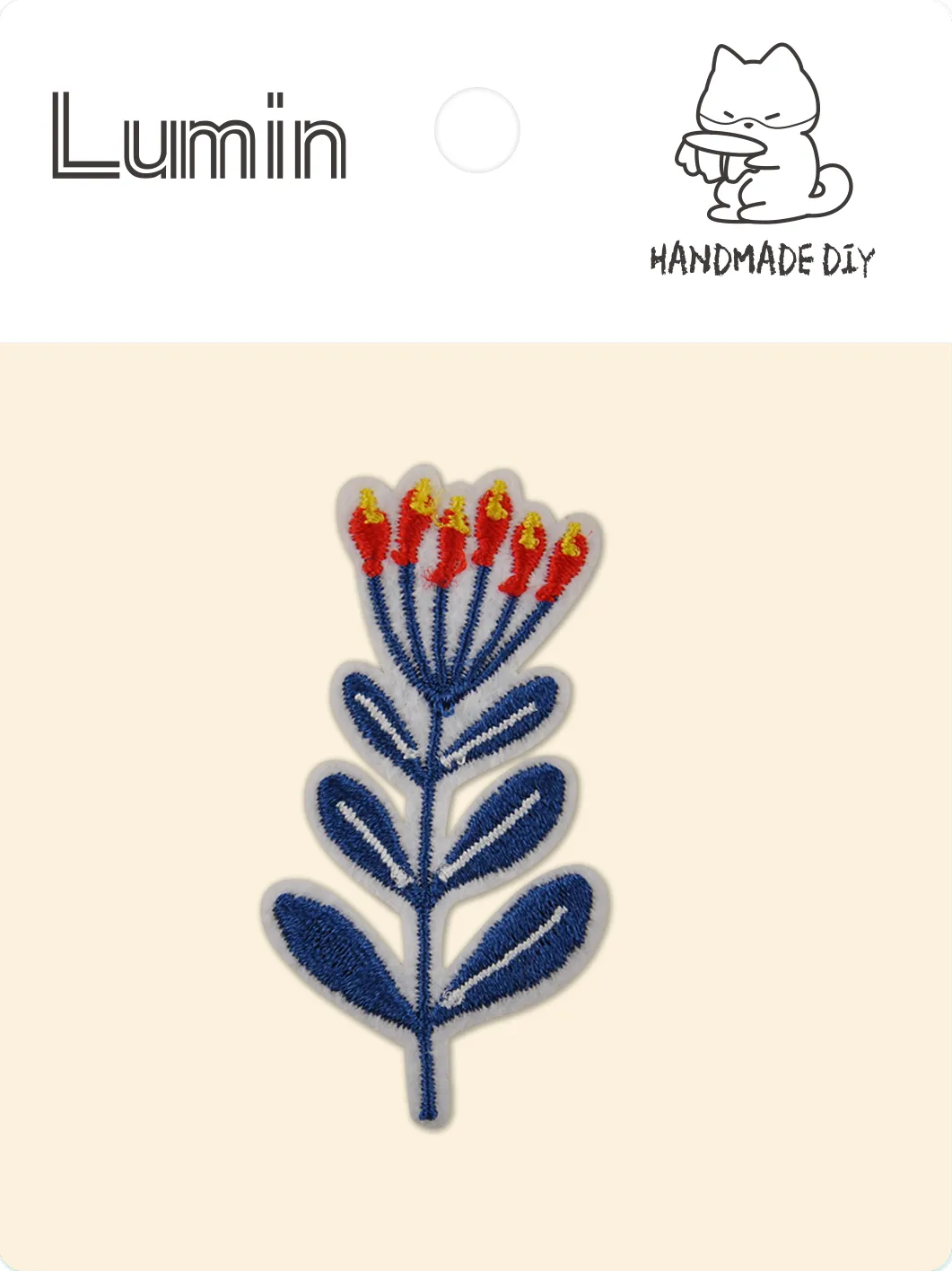

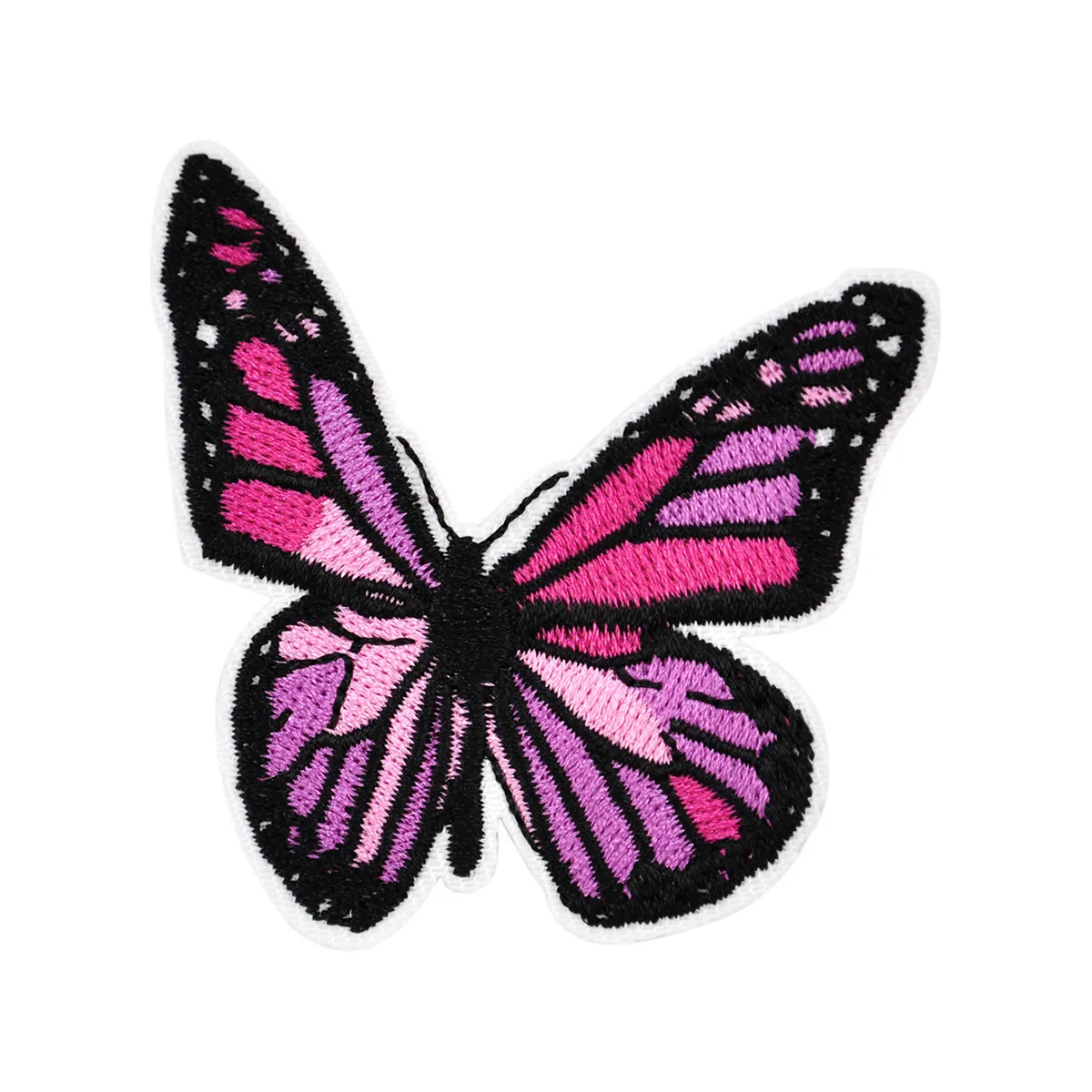
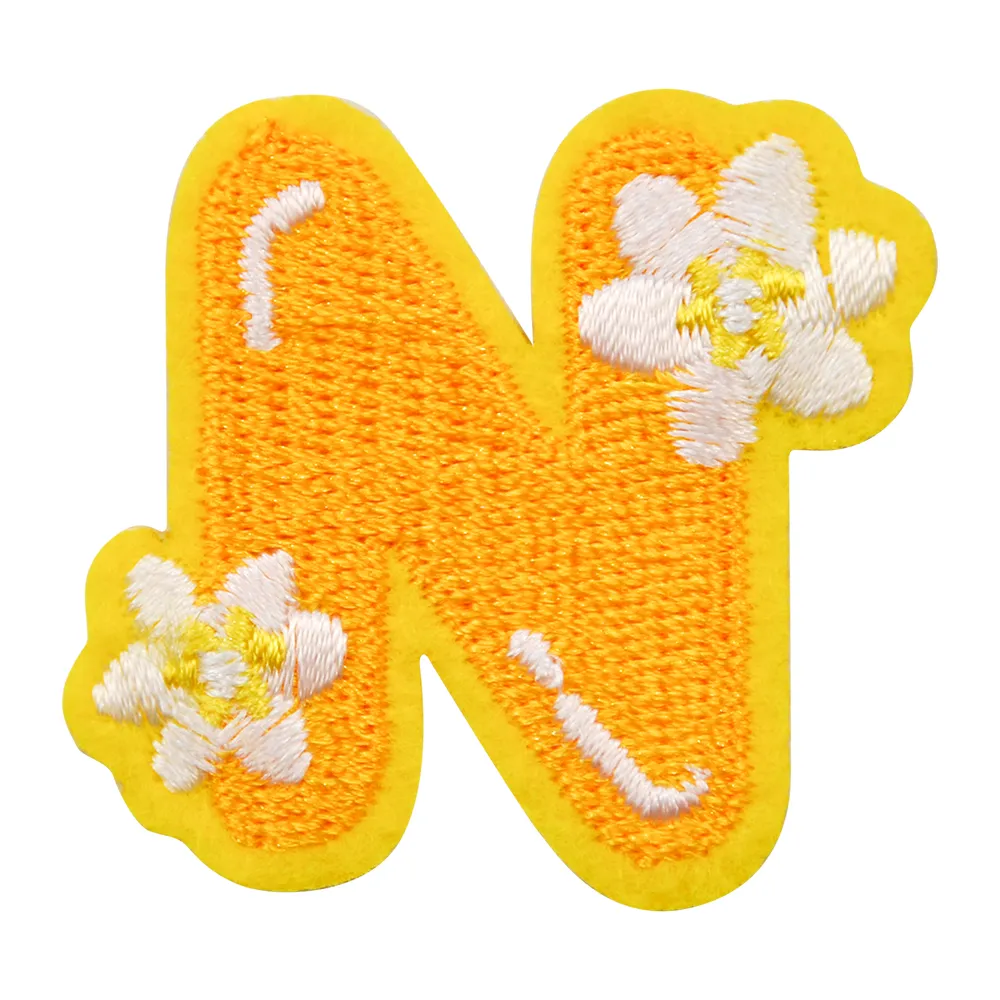
When you think of embroidery patches, what likely springs to mind is their vibrant designs and the stories they tell. But have you ever considered what’s behind the patch itself—the very component that ensures these masterpieces maintain their shape, stick securely, and stay intact through life’s adventures? Welcome to the world of embroidery patch backing, a crucial yet often overlooked element that defines not just the patch’s durability but also its overall performance on different fabrics. Delving into the various options available could transform the way you perceive and utilize these artistic emblems.
From fashionistas looking to personalize their denim jackets to corporate teams seeking to sport their logos with pride, understanding the right embroidery patch backing can make all the difference. Did you know that selecting the appropriate backing material can enhance the longevity of your patches while making the application process seamless? As we explore the different types of backing—each with its unique benefits—you’ll discover how this vital choice impacts both the appearance and functionality of your cherished patches. Whether you’re embroidering as a hobby or for a business, this knowledge will empower you to make informed decisions, ensuring your patches leave a lasting impression wherever they go.
Peel-and-Stick Backing: Easy Application for Quick Results
Peel-and-stick backing is one of the simplest methods for applying embroidery patches, making it a favorite among DIY enthusiasts and small businesses alike. This style of embroidery patch backing comes pre-coated with a pressure-sensitive adhesive that’s protected by a removable liner. All you have to do is peel away the backing paper and firmly press the patch onto your desired surface—no heat or specialized equipment required. Because the adhesive is formulated to bond immediately upon contact, you’ll achieve a secure hold with minimal effort, which is perfect for rapid customization or last-minute projects.
That said, peel-and-stick backing does have its limitations. While it works well on clean, smooth fabrics like cotton canvas or polyester blends, it may struggle on heavily textured or stretchy materials. Additionally, without heat activation, the adhesive can weaken over time, especially after repeated laundering or exposure to moisture. To maximize durability, press the patch firmly in place and let it set for several hours before handling. For applications that demand top-notch resilience—think outdoor gear or frequently washed items—you might want to consider more robust backing options. Nonetheless, peel-and-stick backing remains an excellent choice for anyone seeking speed and simplicity in their embroidery patch application.
Heat-Activated Backing: Ensuring a Secure Bond
Heat-activated embroidery patch backing relies on a thermally sensitive adhesive that flows and penetrates fabric fibers when exposed to high temperatures. Typically used with household irons or professional heat presses, this backing transforms moderate pressure and heat into a strong, long-lasting bond. The process involves placing a thin protective cloth over the patch and applying consistent heat for a set duration—usually 10–15 seconds under firm pressure. As the adhesive softens, it seeps into the textile, creating a bond that endures regular wear and wash cycles.
One of the biggest advantages of this method is its adaptability to various fabrics. From denser materials like denim to lighter synthetics, heat-activated backing often outperforms peel-and-stick options in terms of adhesion and longevity. However, it’s crucial to follow the manufacturer’s temperature and time recommendations to avoid scorching or melting delicate garments. Investing in a temperature-controlled heat press can yield more uniform results, especially for bulk projects or patches with intricate designs. When done correctly, heat-activated backing offers a professional-grade finish that stands up to daily use without compromising the patch’s vibrant embroidery.
Iron-On Backing: Convenience Meets Durability
Iron-on backing is frequently used interchangeably with heat-activated backing, but it often includes additional layers—such as a fusible web—that improve bond strength. These layers melt at a lower temperature than fabric fibers, allowing for a gentler application process that’s well-suited to both home sewing and small-scale manufacturing. To apply iron-on patches, align them on your fabric, cover with a press cloth, and iron at medium to high heat, applying firm pressure for 10–20 seconds. The fusible web fuses patch and fabric together, forming a durable bond that resists peeling and lifting.
Beyond its straightforward application, iron-on backing offers versatility. It works on a variety of natural and synthetic textiles, including cotton, linen, wool blends, and certain polyesters. Because of the additional fusible layer, iron-on backing typically adheres better to lightweight fabrics that might otherwise struggle with standard heat-activated adhesives. This makes it a go-to choice for decorative patches on t-shirts, tote bags, and caps. For optimal results, pre-press the fabric to remove moisture, and ensure your iron’s temperature is evenly distributed. This creates a uniform bond, preventing edges from curling and maintaining the patch’s crisp appearance through multiple washes.
Adhesive Backing: Strong Adhesion for Various Surfaces
Adhesive backing in embroidery patches takes many forms, from permanent glue coatings to repositionable adhesives. While peel-and-stick options use a pressure-sensitive approach, stronger adhesive backings often involve heat-set or solvent-based glues that provide a more permanent fix. These backings are applied at the factory using industrial adhesion techniques, creating an even layer that bonds reliably to fabric fibers and resists moisture, friction, and stretching. The result is a patch that feels almost sewn on, without any visible stitching.
This form of embroidery patch backing excels in demanding applications—think military uniforms, workwear, and sports gear. It offers excellent wash-fastness and abrasion resistance, ensuring your patch won’t lift or fray under heavy use. However, once adhered, removal can be challenging and may leave residue if not done carefully. To avoid damage, use a low-heat iron or garment steamer to soften the adhesive before gently peeling the patch away. While adhesive-backed patches may require more planning to apply correctly, they deliver unmatched permanence and durability for any embroidery project.
Choosing the Right Backing for Different Fabric Types
Selecting the ideal embroidery patch backing starts with understanding the fabric you’re working with. Smooth, woven materials like denim, canvas, and cotton blends handle heat-activated and iron-on backings exceptionally well. The heat and pressure allow the adhesive to bond deeply into the textile’s fibers, resulting in a strong, wash-resistant finish. For these fabrics, you can confidently use either heat-activated or iron-on backing, depending on the level of durability you need.
Stretchy and delicate fabrics—such as knits, jersey, and silk—require a gentler approach. Peel-and-stick backing or light adhesive backings work best here, as they avoid the high temperatures that can distort or burn sensitive textiles. If you need a stronger hold, consider using lightweight iron-on backing on a low-temperature setting, paired with a protective pressing cloth to shield the fabric. For technical or performance materials (like activewear), test a small sample first to ensure the adhesive doesn’t interfere with moisture-wicking properties or stretch recovery. By matching your embroidery patch backing to the fabric’s characteristics, you’ll achieve both a clean application and a lasting bond.
Benefits of Using Embroidery Patch Backing Wisely
Choosing the right embroidery patch backing can significantly enhance both the look and longevity of your patches. Proper backing ensures that the patch lies flat, maintains its shape over time, and resists peeling—even after multiple washes. When you select a heat-activated or iron-on backing, you enjoy a professional finish that straight iron or heat press application provides, saving time and labor compared to hand-stitching. Peel-and-stick options, meanwhile, offer unparalleled convenience for rapid customization or event-focused giveaways.
Another key benefit is fabric preservation. By matching the correct backing to your material, you avoid damaging delicate textiles with excessive heat or solvents. Adhesive backings designed for industrial use can withstand harsh conditions, making them ideal for workwear and uniforms. This careful selection process not only protects your garments but also extends the life of your embroidered patches, maximizing your investment. Ultimately, understanding the diverse world of embroidery patch backing empowers you to create flawless designs that endure through countless wears and washes.
Conclusion: Elevating Your Patch Game with the Right Backing
Embroidery patch backing plays a pivotal role in the performance, appearance, and longevity of your patches. Choosing between peel-and-stick, heat-activated, iron-on, or strong adhesive options depends on your fabric type, desired durability, and application method. By matching the right backing to each project, you’ll achieve seamless integration and professional results.
Next time you customize a jacket, bag, or uniform, consider the backing options carefully. With the right embroidery patch backing, you’ll elevate your designs, ensuring they remain vibrant and securely attached through every adventure.
