


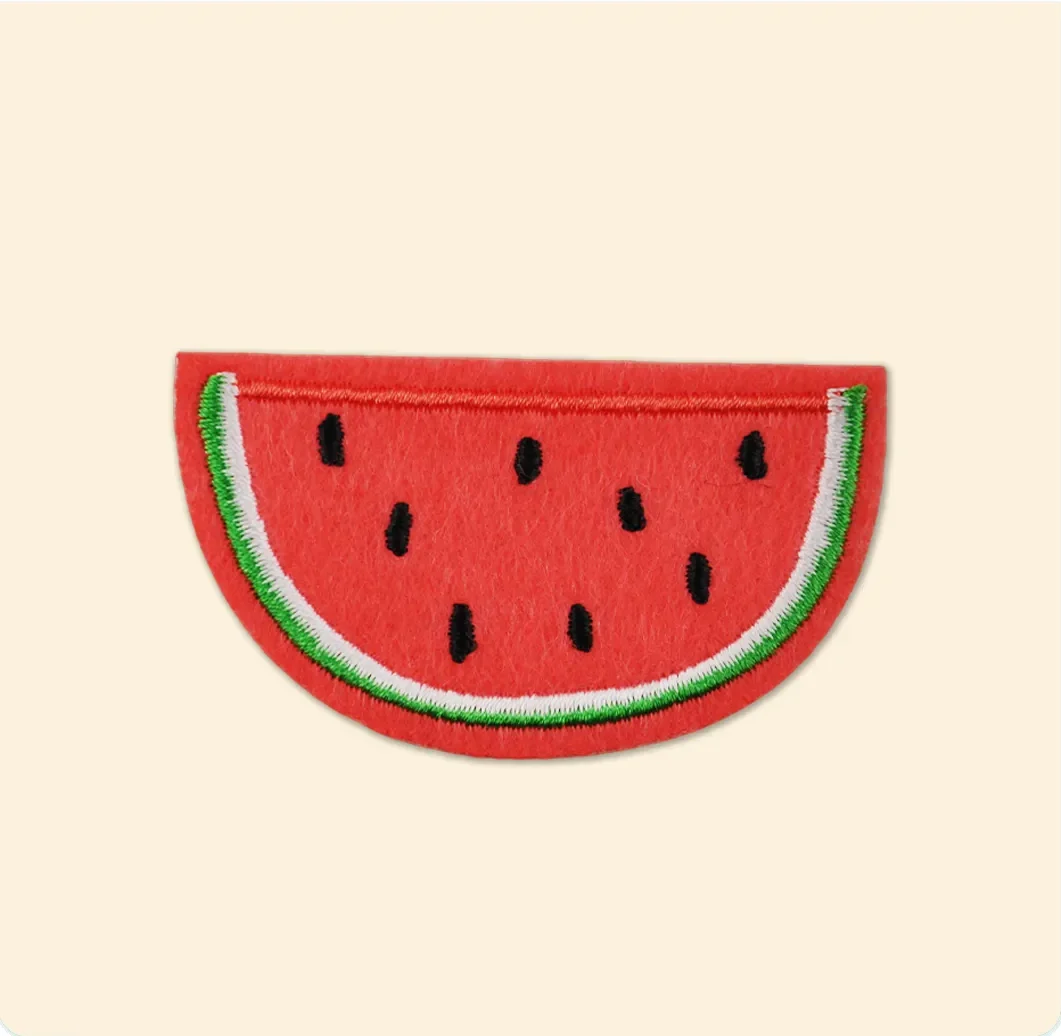
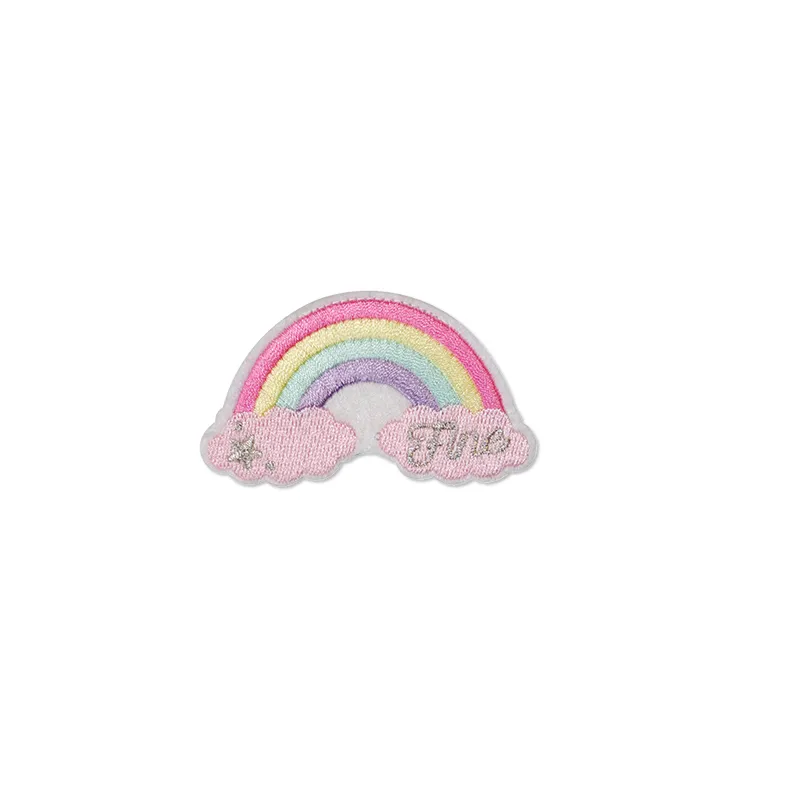
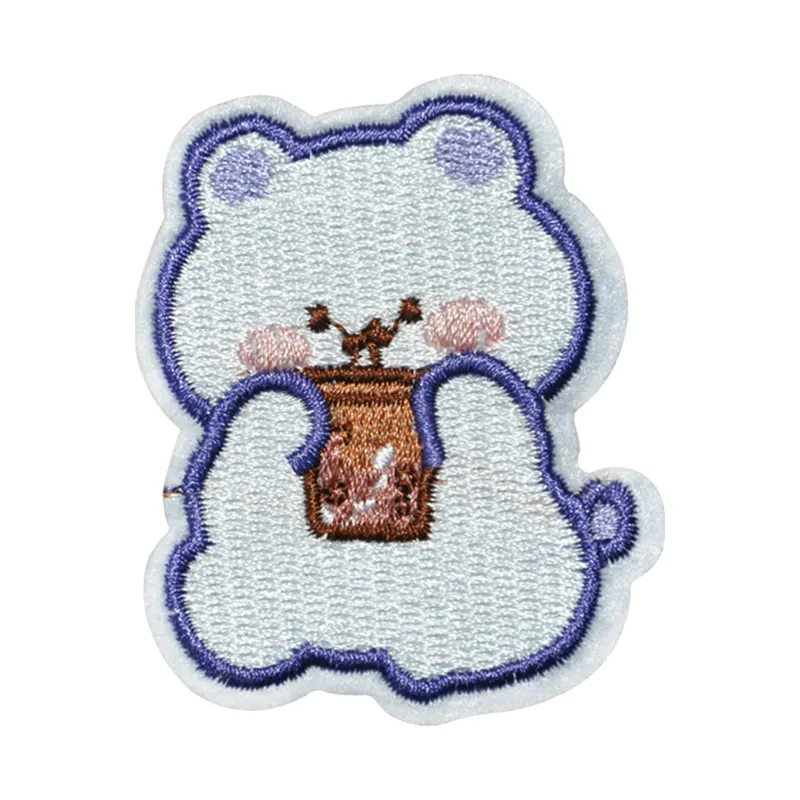
Embroidered patches have long been a popular way to add a touch of personality and distinction to clothing, bags, and other accessories. However, not all patches are created equal, and the material used in their creation can significantly impact their durability, appearance, and functionality. In this guide, we’ll explore the different materials used for embroidered patches and help you choose the best options for your needs.

Understanding Patch Backing Material
The backing material of a patch is the foundation that supports the embroidery. It plays a crucial role in the patch’s overall structure and function. There are several types of backing materials available, each with its own benefits and drawbacks.
Iron-On Backing
Iron-on backing is one of the most popular choices for embroidered patches. This type of backing has a layer of heat-activated adhesive that allows the patch to be easily attached to fabric using an iron. It’s a convenient option for those who want a temporary yet secure attachment.
Pros:
- Easy to apply
- Provides a strong bond
Cons:
- May not be as durable as sew-on options
- Can be difficult to remove without damage
Sew-On Backing
Sew-on backing is the traditional method for attaching patches. This type of backing requires sewing the patch onto the fabric, providing a permanent and durable attachment.
Pros:
- Highly durable
- Permanent attachment
Cons:
- Requires sewing skills
- Takes more time to apply
Velcro Backing
Velcro backing allows patches to be easily attached and removed from fabric. This makes it a versatile option for those who want to switch out patches frequently.
Pros:
- Easy to attach and remove
- Reusable
Cons:
- May not be as secure as other options
- Requires Velcro on the base fabric

Custom Embroidered Patches Fabric
When it comes to the fabric of the patch itself, the material can affect the patch’s texture, appearance, and durability. Here are some common fabrics used for custom embroidered patches:
Twill
Twill is the most widely used fabric for embroidered patches. It’s known for its durability and smooth surface, which provides an excellent base for detailed embroidery designs.
Pros:
- Durable and long-lasting
- Smooth surface for fine embroidery
Cons:
- Limited color options
Felt
Felt is a soft fabric that gives patches a unique, textured look. It’s often used for patches with a vintage or retro aesthetic.
Pros:
- Soft and flexible
- Unique texture
Cons:
- Less durable than twill
- Prone to fraying
Cotton
Cotton is a natural fabric that offers a soft and breathable base for patches. It’s suitable for casual and lightweight designs.
Pros:
- Soft and breathable
- Natural fiber
Cons:
- Less durable than synthetic options
- Can shrink or wrinkle
Polyester
Polyester is a synthetic fabric that’s known for its strength and resistance to wrinkles and shrinking. It’s a great option for high-use patches.
Pros:
- Strong and durable
- Resistant to wrinkles and shrinking
Cons:
- Less breathable than natural fabrics
- Can have a synthetic feel

Best Fabrics for Embroidery
Choosing the right fabric for embroidery goes beyond the patch itself. Here are some top fabric choices for creating beautiful and durable embroidery:
Linen
Linen is a natural fabric that’s highly breathable and offers a crisp, clean finish. It’s ideal for detailed embroidery projects.
Pros:
- Crisp and clean finish
- Highly breathable
Cons:
- Can wrinkle easily
- Requires careful handling
Canvas
Canvas is a heavy-duty fabric that’s perfect for bold and large designs. It’s commonly used for bags, jackets, and other heavy items.
Pros:
- Durable and strong
- Suitable for large designs
Cons:
- Can be difficult to work with
- May require special needles
Aida Cloth
Aida cloth is a popular choice for cross-stitch and other counted-thread embroidery techniques. It has an even weave that makes it easy to create precise designs.
Pros:
- Even weave for precise designs
- Suitable for counted-thread techniques
Cons:
- Limited to specific embroidery styles
- Not suitable for free-form embroidery
Choosing the Right Patch Material Types
When selecting materials for your embroidered patches, consider the following factors:
Purpose and Use
Think about how the patch will be used and the conditions it will face. For example, a patch for a jacket that will be worn outdoors should be made from durable materials that can withstand the elements.
Design and Aesthetic
The design of the patch can influence the choice of materials. For intricate designs, a smooth fabric like twill may be best, while a vintage look might benefit from felt or cotton.
Application Method
Consider how the patch will be applied to the fabric. If you want a temporary attachment, iron-on or Velcro backing might be suitable. For a permanent bond, sew-on backing is recommended.
Conclusion
Embroidered patches are a versatile and creative way to enhance any item. By understanding the different materials available, from the backing to the fabric, you can make an informed decision that ensures your patches are both beautiful and durable. Whether you’re creating custom designs for personal use or for a business, the right materials will make all the difference in the final product.
