
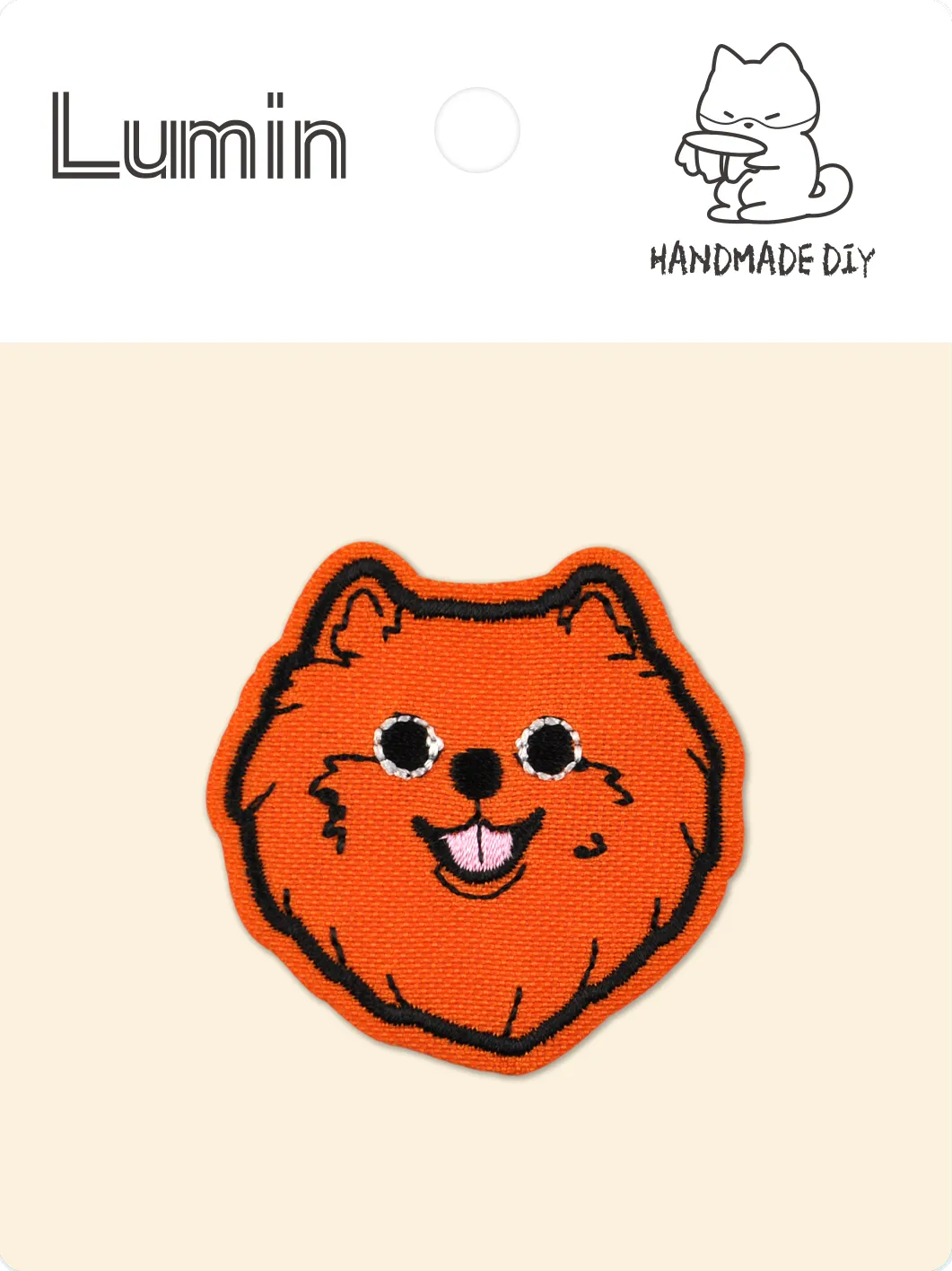
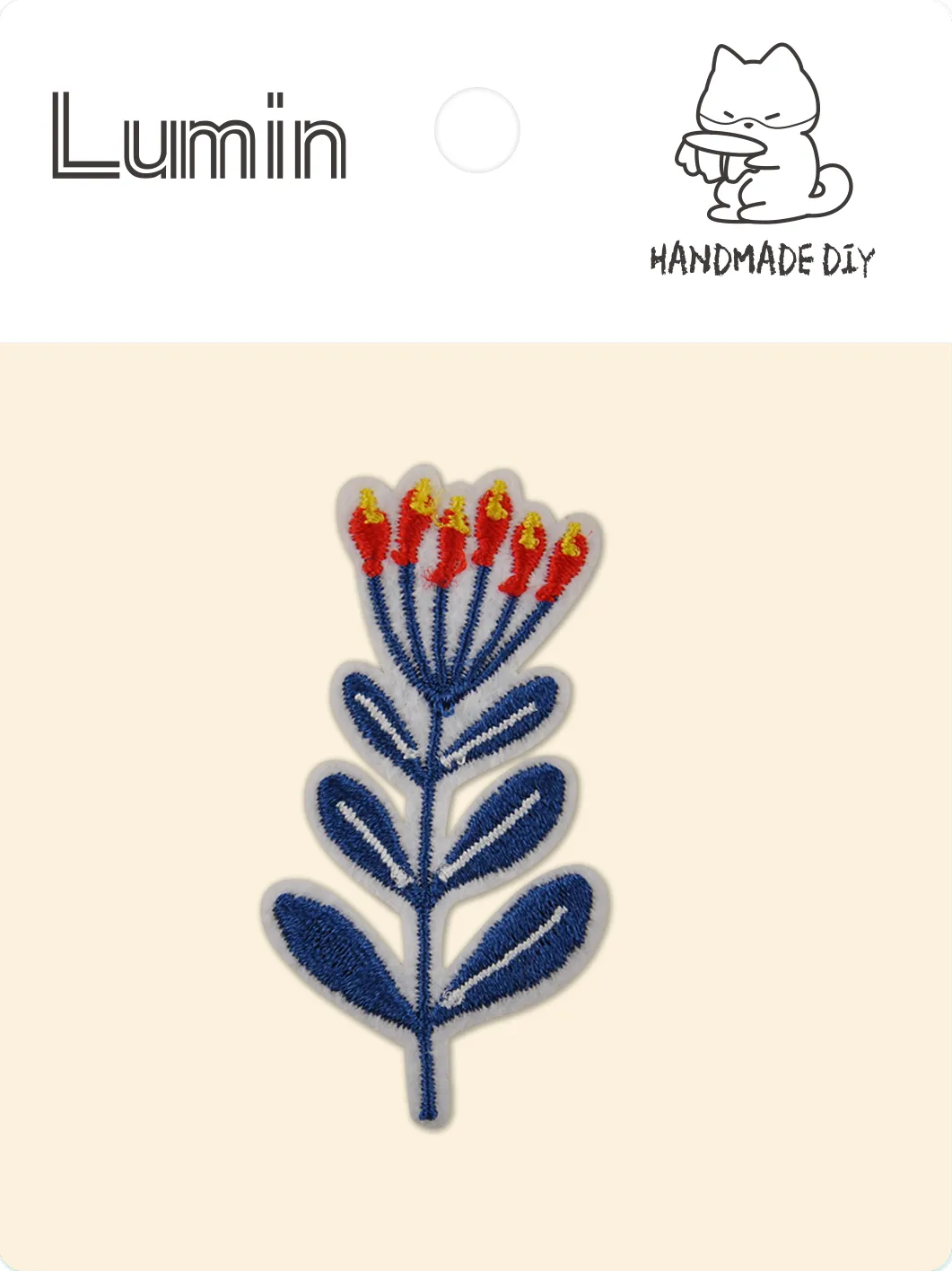

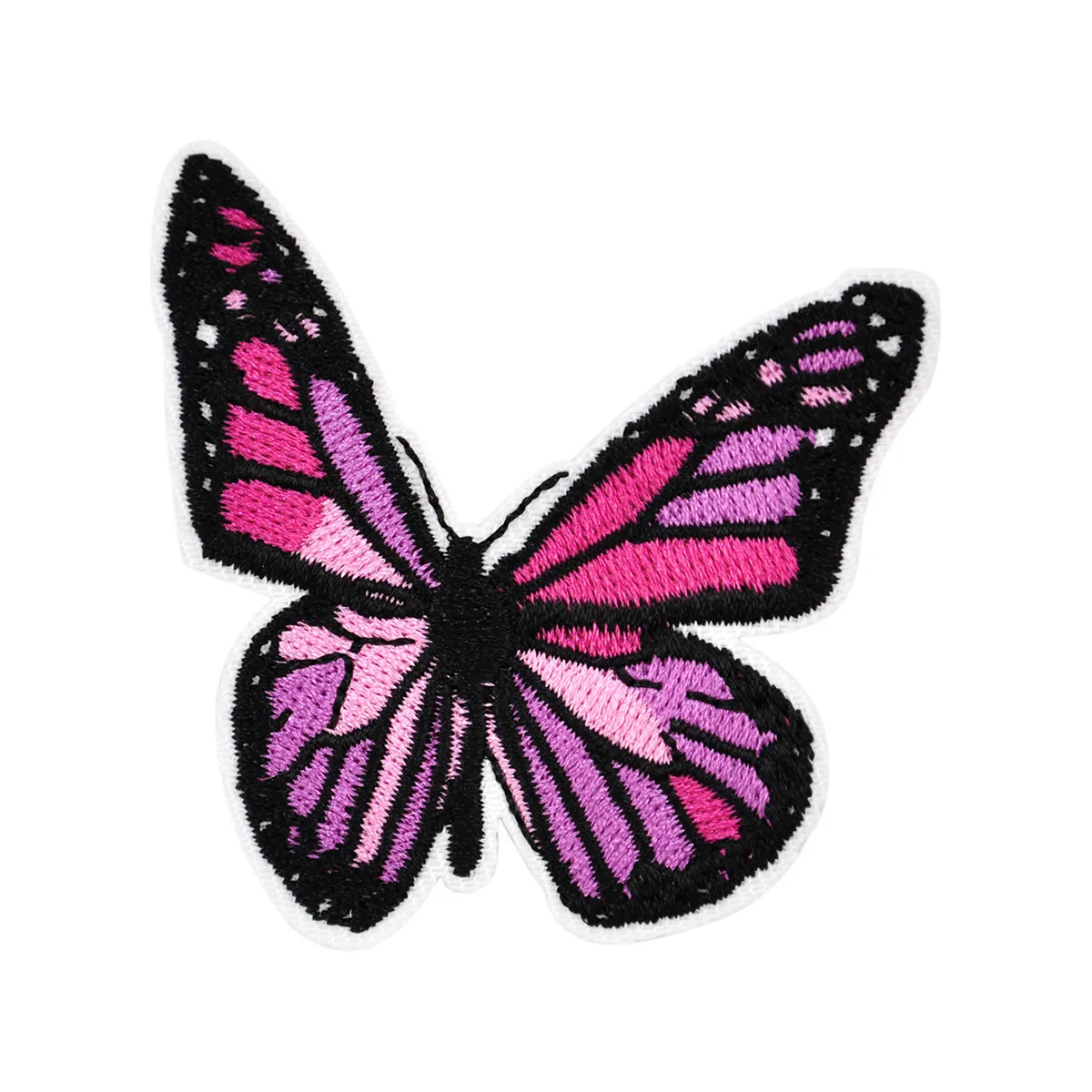
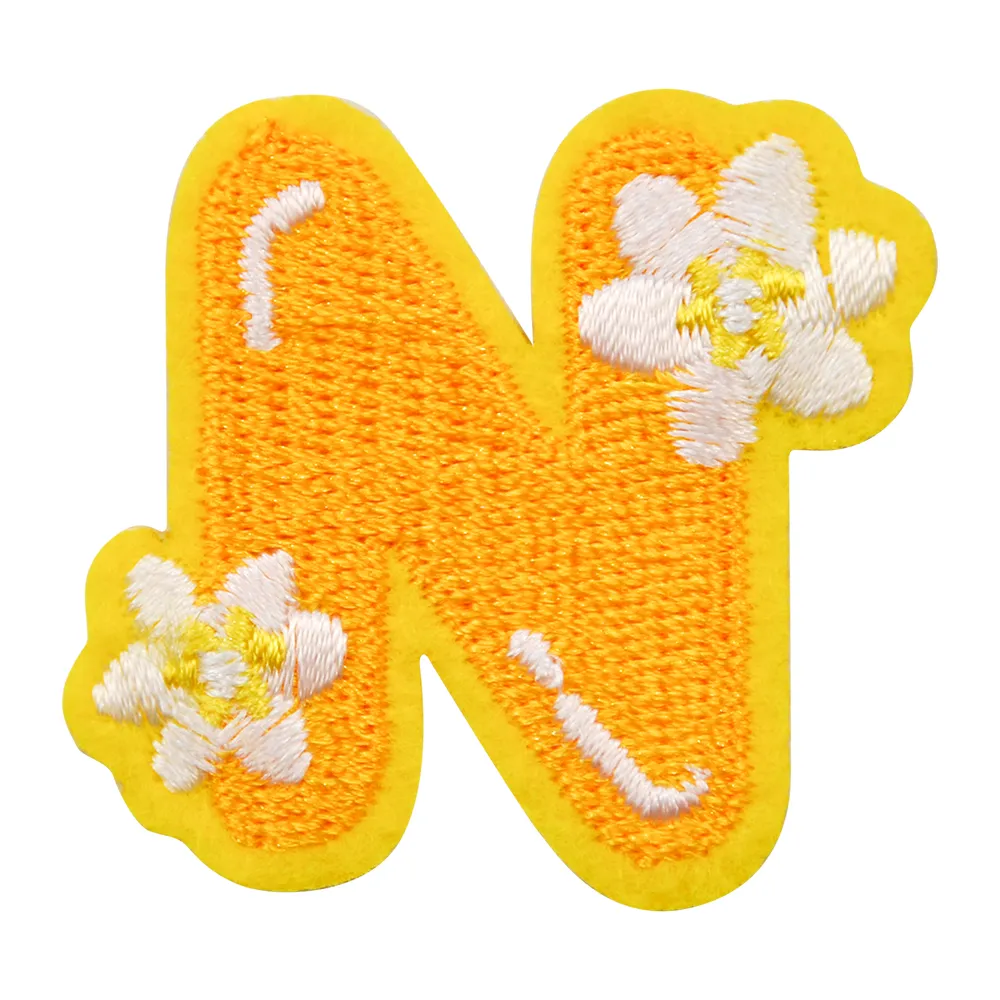
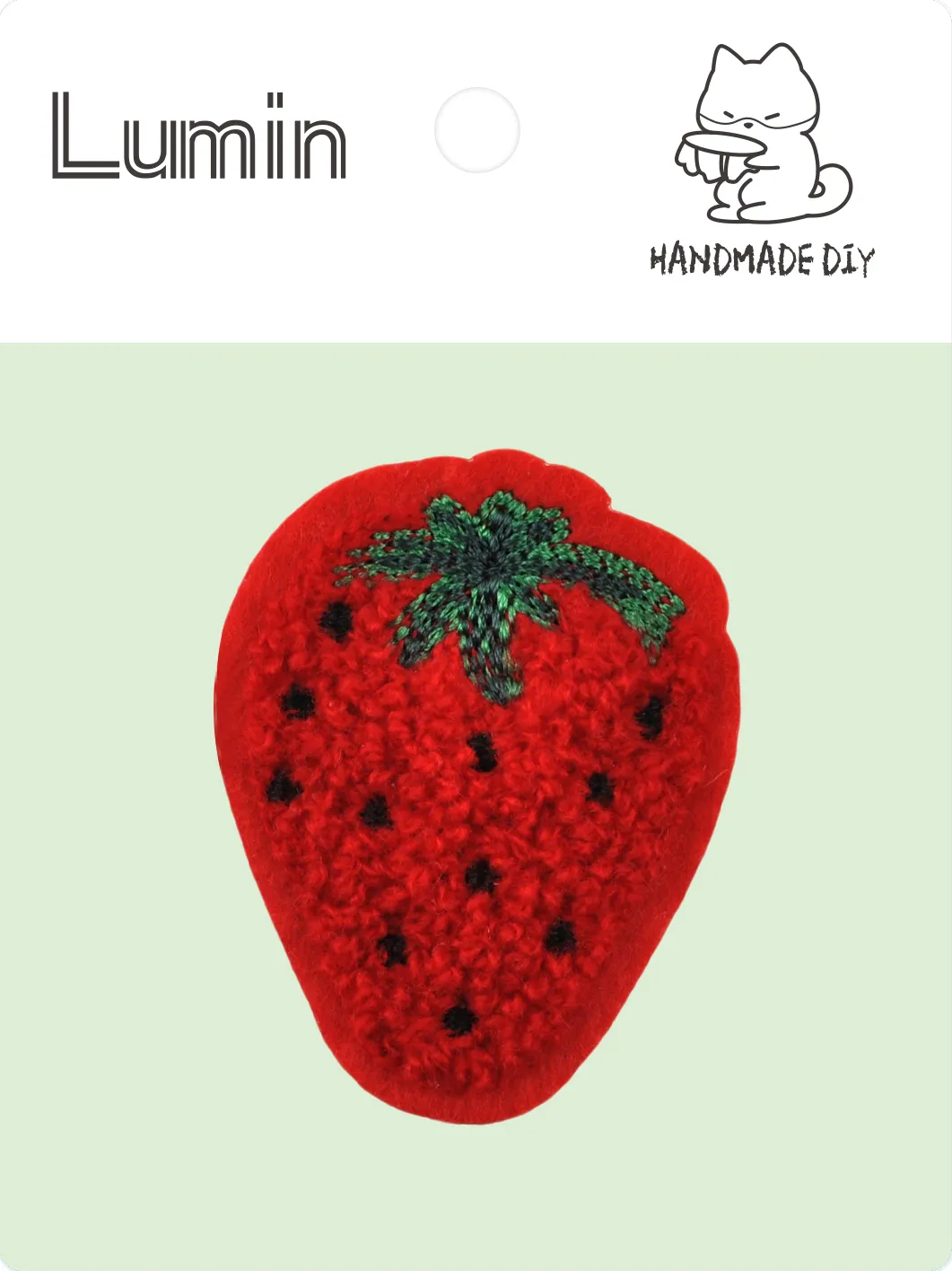
Embroidery patches have been a timeless accessory, adorning everything from denim jackets to military uniforms. Their charm lies not just in their aesthetic appeal but also in the stories they tell. But have you ever paused to consider what makes these patches not only beautiful but also durable and long-lasting? The secret often lies in the choice of material for embroidery patch creations. The right material can enhance the vibrancy of the design, withstand the wear-and-tear of everyday life, and hold up through countless washes.
Delving into the world of embroidery materials may seem daunting at first, given the myriad of options available. However, understanding the nuances of each material can make all the difference in your projects. Whether you’re an experienced artisan or a curious beginner eager to start your first creation, knowing which materials offer the best combination of durability, color retention, and ease of stitching will empower you to craft patches that stand the test of time. Join us as we unravel the secrets behind the best materials for embroidery patches, helping you create works of art that are both functional and fabulous.

Cotton: The Classic Choice for Timeless Elegance
Cotton has long been revered as the go-to fabric when it comes to embroidery patches, offering a perfect blend of softness, breathability, and ease of handling. As a natural fiber, cotton provides an excellent canvas for intricate stitching and detailed designs, allowing threads to glide smoothly through the weave. Its gentle texture ensures that embroidery needles encounter minimal resistance, resulting in cleaner stitches and fewer split threads. When selecting cotton for your next patch, you’ll find that it accepts dyes well, producing vibrant hues that resist fading over time—key for any artisan concerned with color retention in their work.
Beyond its aesthetic appeal, cotton is lightweight yet durable, making it an ideal choice for patches destined for garments that experience regular wear, like work shirts, jackets, and tote bags. Its natural breathability ensures patches remain comfortable against the skin or layered fabrics, reducing bulk and preventing moisture buildup. In terms of maintenance, cotton-backed patches can typically withstand moderate machine washing without significant shrinkage or degradation of the embroidery. For crafters focused on sustainability, organic cotton options are also available, minimizing environmental impact while elevating the quality of your material for embroidery patch creations.
Polyester: Durable and Color-Rich Options for Vibrant Designs
Polyester stands out as a heavyweight contender in the world of embroidery patch materials due to its exceptional durability and resistance to environmental stresses. Engineered synthetically, polyester fibers boast high tensile strength, ensuring that patches maintain their shape and integrity even under rigorous use. Unlike some natural fabrics, polyester is less prone to wrinkling and snagging, making it particularly suitable for patches that will see heavy abrasion or frequent laundering. Its moisture-wicking properties also help prevent mildew and odors, which is especially valuable for outdoor gear and sportswear applications.
One of polyester’s most celebrated features is its remarkable color fastness. Dye molecules bond strongly to polyester fibers, resulting in vivid, long-lasting hues that retain their brilliance through countless wash cycles and exposure to sunlight. This makes polyester an outstanding choice for patches featuring bold logos, intricate graphics, or high-contrast borders. Additionally, polyester fabric can be coated or laminated to achieve specialty effects—such as a subtle sheen or water-resistant finish—offering creative flexibility for designers. While polyester may require a slightly sharper needle due to its tight weave, the payoff in resilience and color retention makes it an excellent material for embroidery patch projects seeking both performance and visual impact.
Leather: Elevating Your Patches with a Touch of Luxury
Leather offers a distinctive, premium feel that instantly elevates any patch design. Whether you opt for genuine cowhide or a high-quality faux alternative, leather’s smooth yet robust surface provides an opulent backdrop for embroidery. The material’s natural grain adds depth and character, highlighting the contrast between the supple leather and the stitched threads. When chosen thoughtfully, leather patches can convey a sense of craftsmanship and luxury, making them highly sought after for fashion accessories, limited-edition merchandise, and corporate branding applications.
Working with leather does present unique considerations. Because it’s thicker and less porous than fabric, you’ll need specialized embroidery needles—often labeled “leather needles”—to pierce the surface cleanly without tearing. Stabilizers, such as tear-away or water-soluble backings, become essential to support the leather during stitching and prevent puckering. Despite these extra steps, the end result is well worth the effort: leather-based patches exhibit outstanding durability and a three-dimensional quality that fabric alone can’t match. From biker jackets to upscale bags, leather patches crafted with the right technique and materials make a statement that transcends the ordinary.
Combining Materials for Unique Patch Designs
Mixing different fabrics and textures can lead to truly one-of-a-kind patches that stand out in any collection. By layering materials—such as pairing a polyester base with cotton appliqués or adding a leather border around a fabric motif—you can achieve depth, contrast, and tactile interest in your embroidery patch creations. This approach not only unlocks endless creative possibilities but also allows you to leverage the strengths of each fabric, optimizing durability, color performance, and visual appeal in a single design.
When combining materials, it’s crucial to consider compatibility in terms of thickness, stretch, and how each will react under the embroidery hoop. Using appropriate stabilizers for each layer ensures that stitches remain precise and materials stay in place. Experiment with different backings and edge finishes—like merrowed borders that blend seamlessly into leather or heat-seal adhesives for fabric-to-fabric bonding—to maintain structural integrity. The result is a multidimensional patch that captures attention, tells a story through its textures, and showcases the best qualities of each component in your material for embroidery patch repertoire.
Conclusion: Elevate Your Embroidery Patch Creations with the Perfect Material Blend
Selecting the right fabric is the cornerstone of any successful patch design. From the timeless elegance of cotton and the vibrant resilience of polyester to the luxurious appeal of leather, each material offers unique benefits that cater to different styles and uses. By understanding their properties, you can confidently choose or blend materials to achieve your desired look and longevity.
Whether you’re a hobbyist crafting patches for fun or a professional creating custom insignias, experimenting with these textiles will help you master the art of embroidery patch creation. Embrace the possibilities, and let the perfect material combination bring your designs to life in brilliant, durable form.
