


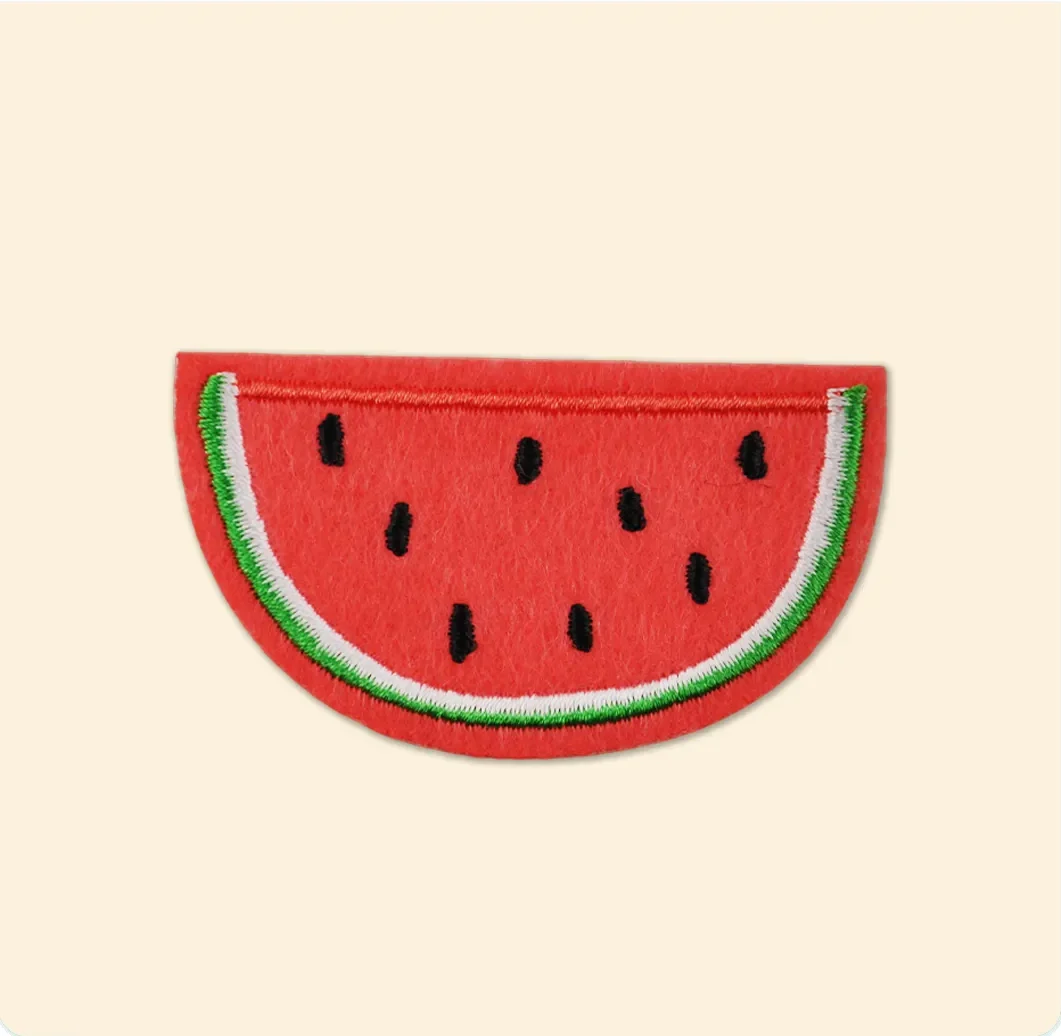
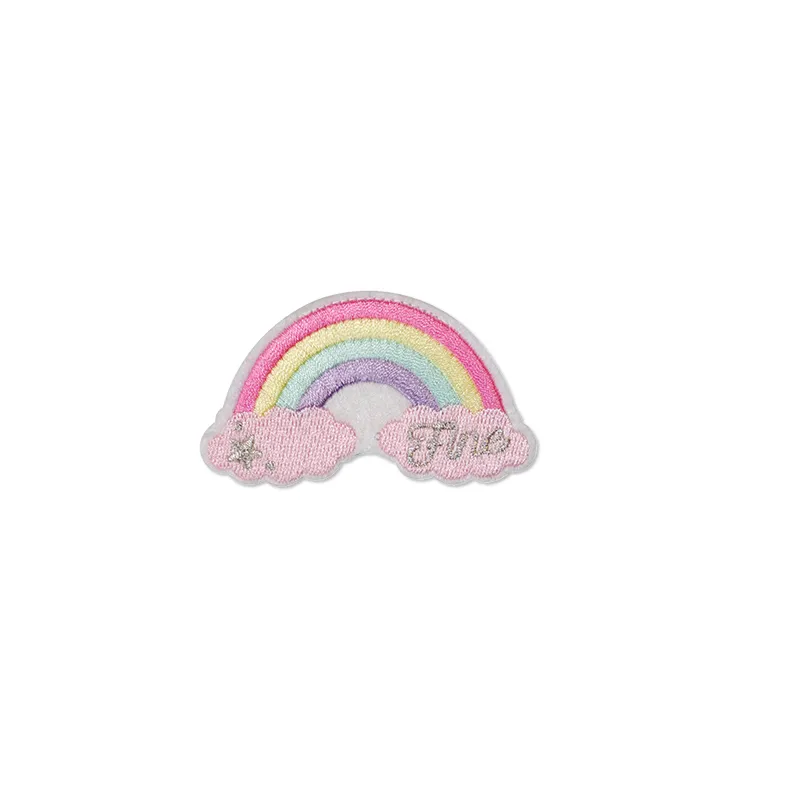
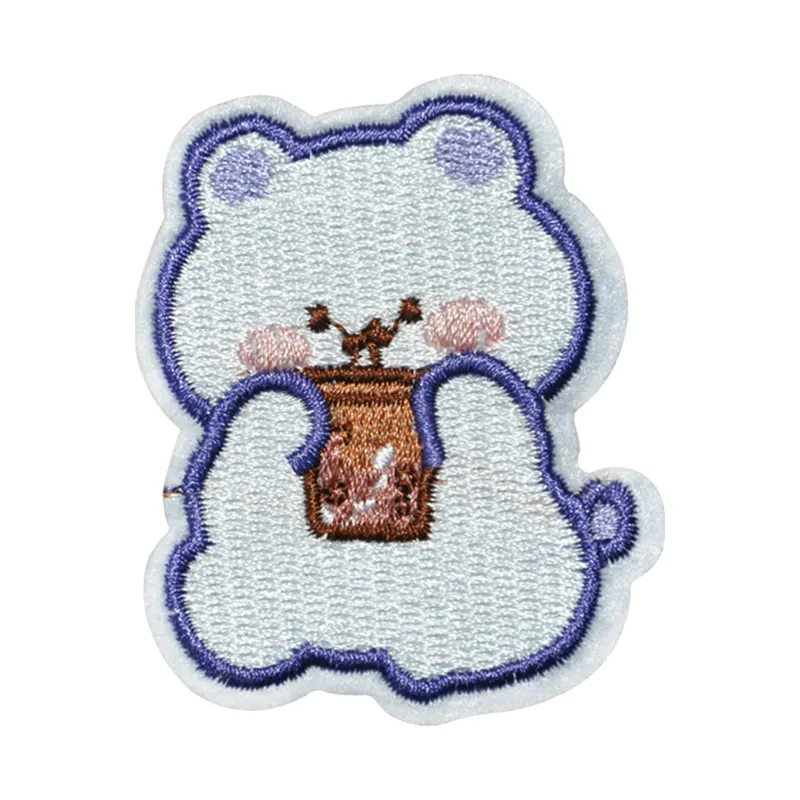
Have you ever looked at an embroidery patch and marveled at its intricate design and vibrant colors? Embroidery patches have transcended their traditional roles, now adorning everything from backpacks to denim jackets, each telling a unique story. But behind every striking patch lies a crucial component that often goes unnoticed—the fabric for embroidery patches. Choosing the right fabric can make all the difference, turning a simple thread into a work of art that stands the test of time.
Imagine having a fabric that not only complements your creative vision but also enhances the durability and aesthetic appeal of your patches. Selecting the perfect fabric is akin to laying a strong foundation for a building; it ensures that every stitch stays in place and that colors remain vivid wash after wash. As we delve into this topic, we’ll explore how the fabric’s texture, composition, and weight play pivotal roles in unlocking the creative potential of your embroidery projects. So, whether you’re a seasoned artisan or a curious beginner, understanding the nuances of fabric selection will undoubtedly elevate your crafting journey.

Understanding the Importance of Fabric Selection
When embarking on any embroidery project, the first step is selecting the right fabric for embroidery patches. This choice affects not only how the design appears but also its durability and washability. A stable, well-chosen fabric will hold embroidery threads firmly, preventing puckering or distortion. Conversely, a flimsy or overly stretchy substrate can cause stitches to sink or pull, compromising your patch’s crisp lines and vibrant colors.
Beyond stitch stability, fabric characteristics such as weave density, fiber content, and weight all influence the final look and feel of your patch. Fabrics with a tight weave provide a smooth, consistent backdrop, allowing intricate details—like fine lettering or delicate motifs—to shine. On the other hand, loosely woven or textured fabrics can add depth and character but may require additional stabilizers to maintain embroidery integrity.
Another critical consideration is how fabric choice impacts post-production care. Some materials resist fading and shrinkage better than others, ensuring your handmade patches endure frequent laundering or exposure to the elements. Selecting a fabric that withstands stress and retains its shape over time contributes to professional-quality results, whether you’re creating patches for apparel, promotional items, or personal keepsakes.
By understanding these fundamental factors—stability, weave, fiber content, and durability—you’ll be better equipped to choose the ideal fabric for embroidery patches and transform your artistic vision into a long-lasting reality.
Different Types of Fabrics Ideal for Embroidery
Embroidery enthusiasts have a diverse range of options when it comes to choosing the best fabric for embroidery patches. Each material offers unique benefits and challenges, from natural fibers like cotton to engineered synthetics and versatile blends. Evaluating your project’s requirements—such as desired finish, intended use, and care instructions—will help you narrow down the ideal substrate.
Natural fabrics tend to be breathable and easy to work with, while synthetic fabrics often excel in strength and colorfastness. Blends strike a balance between the two, combining the advantages of each fiber type. In the following sections, we’ll explore three major categories: cotton, synthetic fabrics, and blends, delving into how each option can unlock creative possibilities in your patchmaking.
Cotton: The Versatile Choice for Embroidery Patches
Cotton remains one of the most popular fabric choices for embroidery patches due to its soft texture, ease of stitching, and wide availability. Available in various weights—from lightweight quilting cotton to heavier canvas—cotton provides a stable foundation that accommodates both simple and intricate designs. Its natural fibers absorb dye well, resulting in patches with vibrant colors that pop against the backdrop.
One of cotton’s greatest strengths is its breathability and comfort, making it ideal for patches destined for clothing or wearable accessories. The fabric’s matte finish helps embroidery threads stand out sharply, allowing detailed motifs or text to remain crisp and legible. For best results, choose a high-thread-count cotton with a tight weave; this prevents threads from sinking too deeply and supports fine stitch work.
However, cotton can shrink or wrinkle if not pre-washed and properly stabilized. To counteract this, many embroiderers pre-treat their cotton fabric with a light starch or use a tearaway or cutaway stabilizer. This extra support ensures your stitches stay even and your patch maintains its shape after multiple washes. Additionally, using a water-soluble topping can minimize fuzziness on napped cotton surfaces like corduroy.
Overall, if you’re looking for a forgiving, absorbent fabric that showcases bright, clean embroidery, cotton stands out as a top contender. Its combination of comfort, versatility, and color retention makes it a go-to substrate for both beginners and experienced crafters crafting memorable patches.
Synthetic Fabrics: Durable Alternatives for Long-Lasting Patches
Synthetic fabrics such as polyester and nylon have gained popularity for embroidery patches due to their remarkable strength and resistance to environmental stressors. These man-made fibers exhibit excellent colorfastness, ensuring your patch retains its vibrancy even after repeated washes or prolonged sun exposure. Polyester’s smooth surface also allows stitches to glide easily, reducing wear on needles and minimizing thread breakage.
Polyester and nylon tissues often come in twill or satin weaves, lending a subtle sheen that enhances embroidery designs. Polyester twill, for example, has a diagonal weave that adds visual interest and dimension to patches, making the threads appear more dynamic. Nylon, while slightly less common, offers exceptional tear resistance and flexibility—ideal for patches on sports gear or outdoor apparel.
Despite their advantages, synthetic materials can present challenges. Their slippery surfaces may cause stitches to shift during embroidery, so using a strong adhesive stabilizer is crucial. Moreover, synthetic fibers can build up static electricity, attracting dust and lint; a light spray of antistatic agent before stitching can help mitigate this issue. When selecting the best fabric for embroidery patches, balance the durability of synthetics with the need for proper stabilizing techniques to achieve professional results.
In summary, if longevity, color retention, and resilience are top priorities, synthetic fabrics offer compelling benefits. Just be prepared to adjust your stabilizing and stitching approach to account for their distinct properties.
Blends: Combining Strengths for Unique Embroidery Creations
Blended fabrics—most commonly cotton-polyester or cotton-nylon mixes—bring together the best qualities of natural and synthetic fibers. These combinations offer the breathability and softness of cotton along with the strength and color endurance of synthetics. For crafters seeking a middle ground, blends present an excellent option for embroidery patches that require both comfort and longevity.
A popular choice is a 65/35 cotton-polyester blend, which maintains cotton’s absorbency while reducing shrinkage and wrinkle potential. The polyester component adds tensile strength, helping the patch resist fraying and stretching. This blend also tends to accept stabilizers and toppings more predictably, simplifying the hooping and stitching process. Another variant is a 50/50 cotton-nylon blend, prized for its extra durability and water resistance—perfect for patches on outdoor gear or items exposed to moisture.
When working with blends, be mindful of fiber content proportions. A higher synthetic ratio will improve durability but may sacrifice some of cotton’s softness. Conversely, a cotton-heavy blend will feel more natural but could require more careful handling to prevent distortion. Regardless of the exact blend, always pre-wash and press your fabric to remove sizing agents and reduce shrinkage. Pair it with an appropriate stabilizer—tearaway for lighter blends or cutaway for heavier mixes—to ensure crisp, even stitches.
Ultimately, blends offer a versatile canvas for creative experimentation. By balancing the strengths of each fiber, you can design patches that look professional, feel comfortable, and stand up to real-world use.
Conclusion: Elevating Your Embroidery Patch Craftsmanship Through Fabric Selection
Choosing the right fabric for embroidery patches is more than a technical decision—it’s a creative catalyst. From the breathability of cotton to the rugged resilience of synthetics and the balanced performance of blends, each material brings distinct advantages to your patchmaking toolkit.
By understanding how fiber content, weave structure, and weight influence stitch stability and appearance, you can select the ideal substrate for any design. With thoughtful fabric selection, your embroidery patches will not only captivate with vivid color and detail but also endure through countless washes and wears, ensuring your artistic vision stands the test of time.
