

Patch Embroidery Letters: Design Ideas, Materials, and Ordering Tips
Whether customizing a vintage denim jacket or branding a team backpack, adding initials makes mass-produced items uniquely yours. Think of these fabric accents as jewelry for your clothes. In practice, the texture you choose for an alphabet embroidery patch completely dictates the final aesthetic, turning a plain garment into a retro or modern statement piece.
Almost everyone has seen a perfect design peel off after one wash. To prevent this, match your embroidery patch to the right attachment method: simple sewing, temporary stickers, or a permanent heat seal (a plastic backing that melts and bonds like glue). Following a basic fabric compatibility framework prevents accidental scorching or melting of delicate synthetic materials.
Why Texture Matters: Decoding Chenille vs. Standard Embroidery Styles
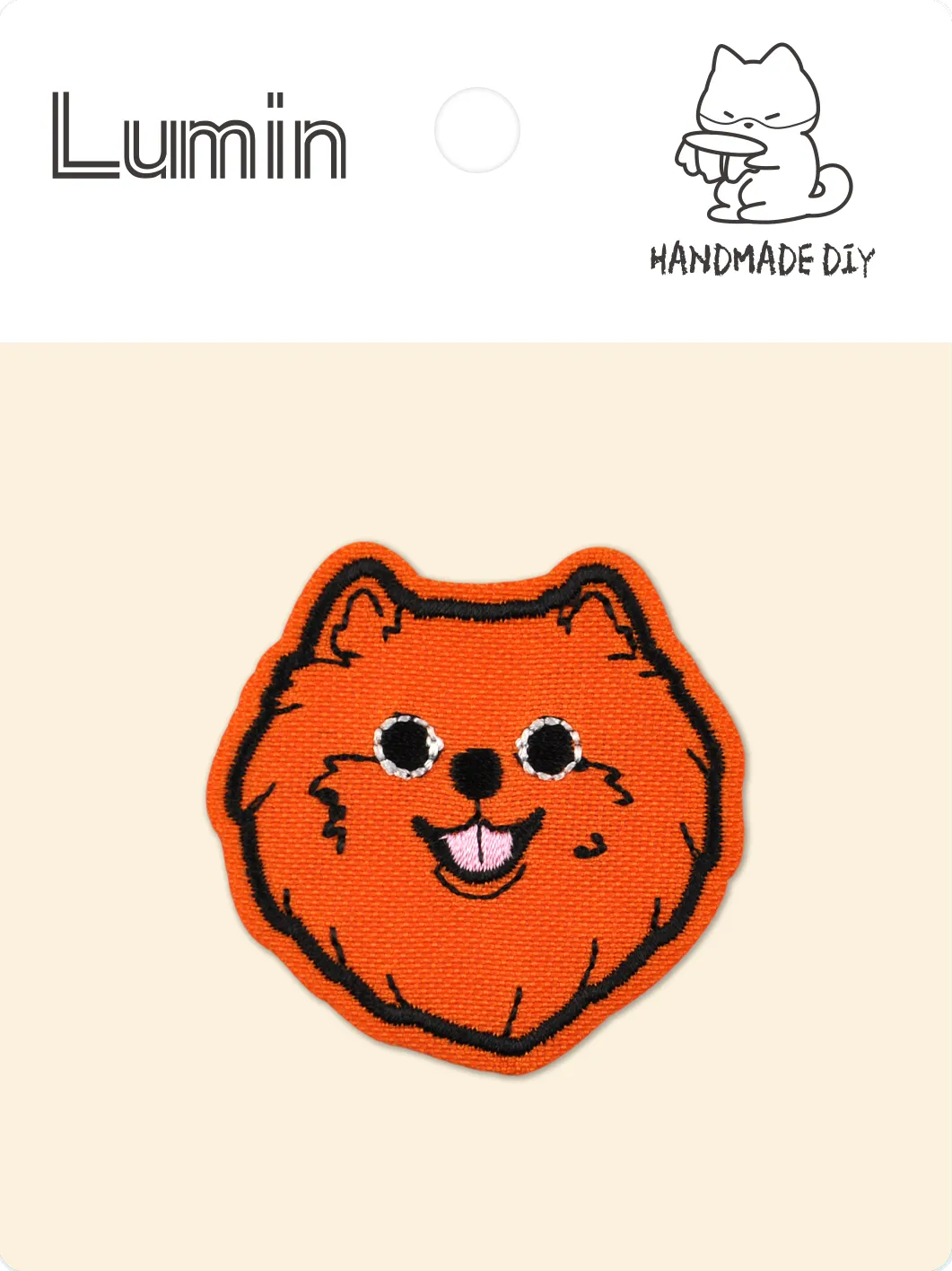
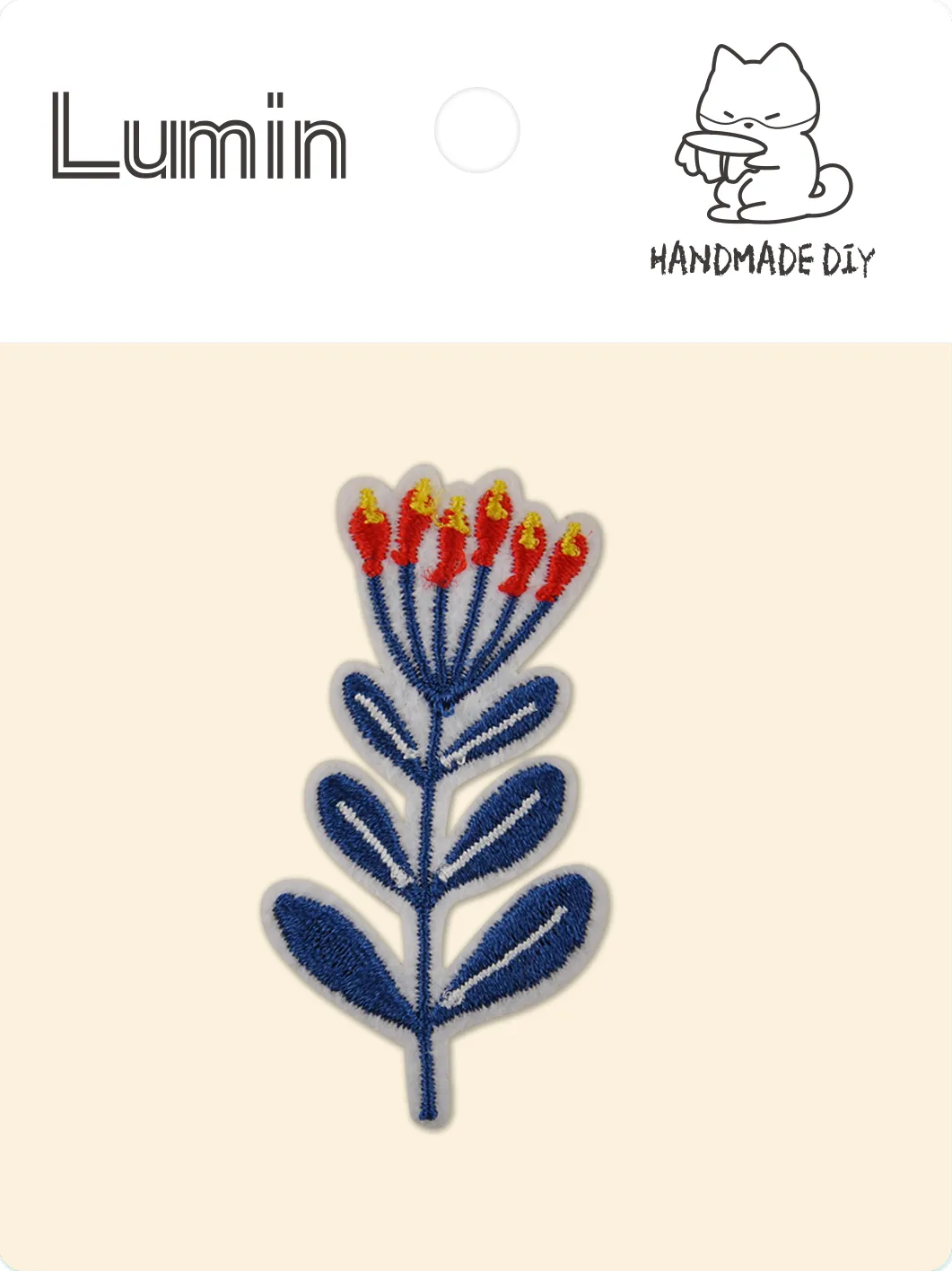
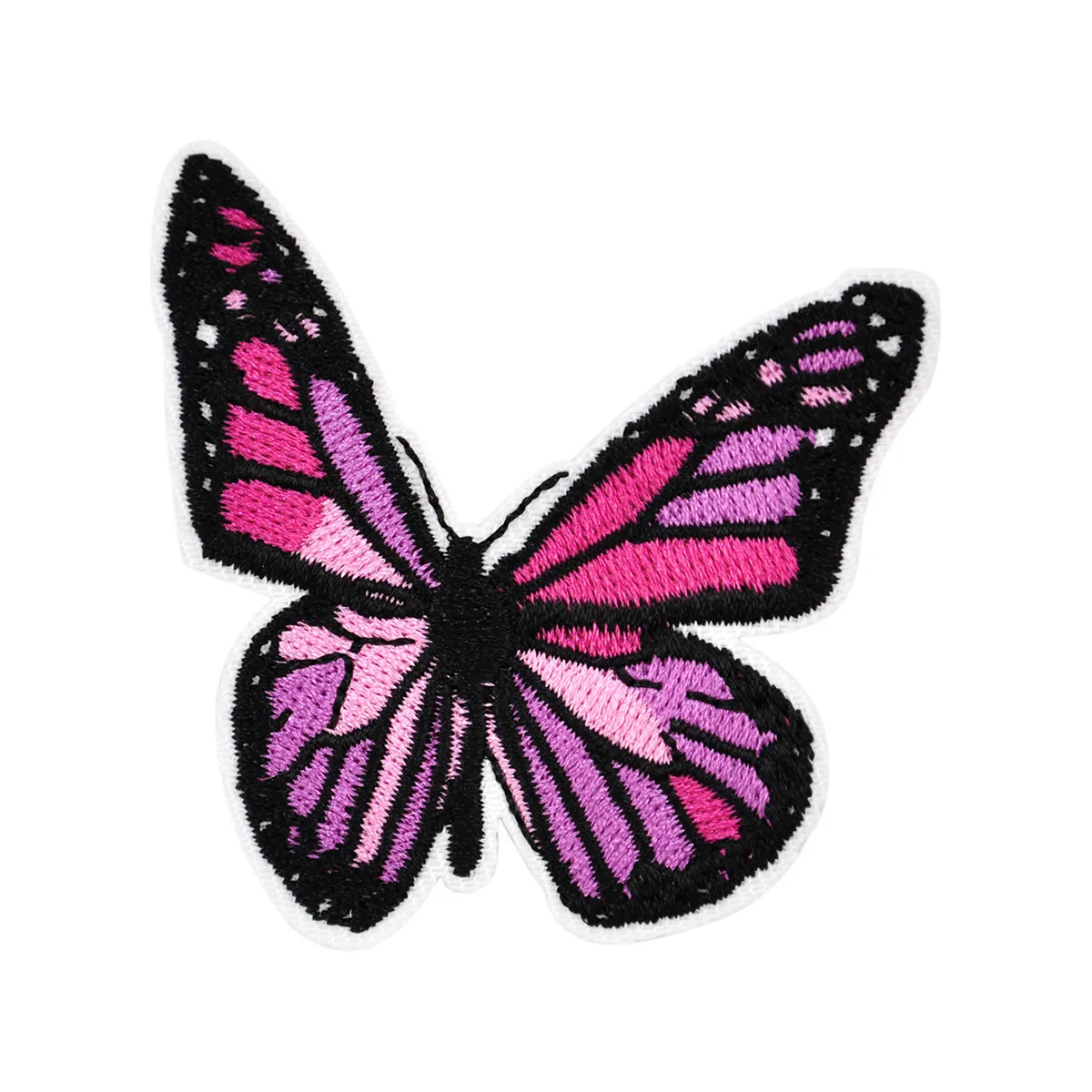
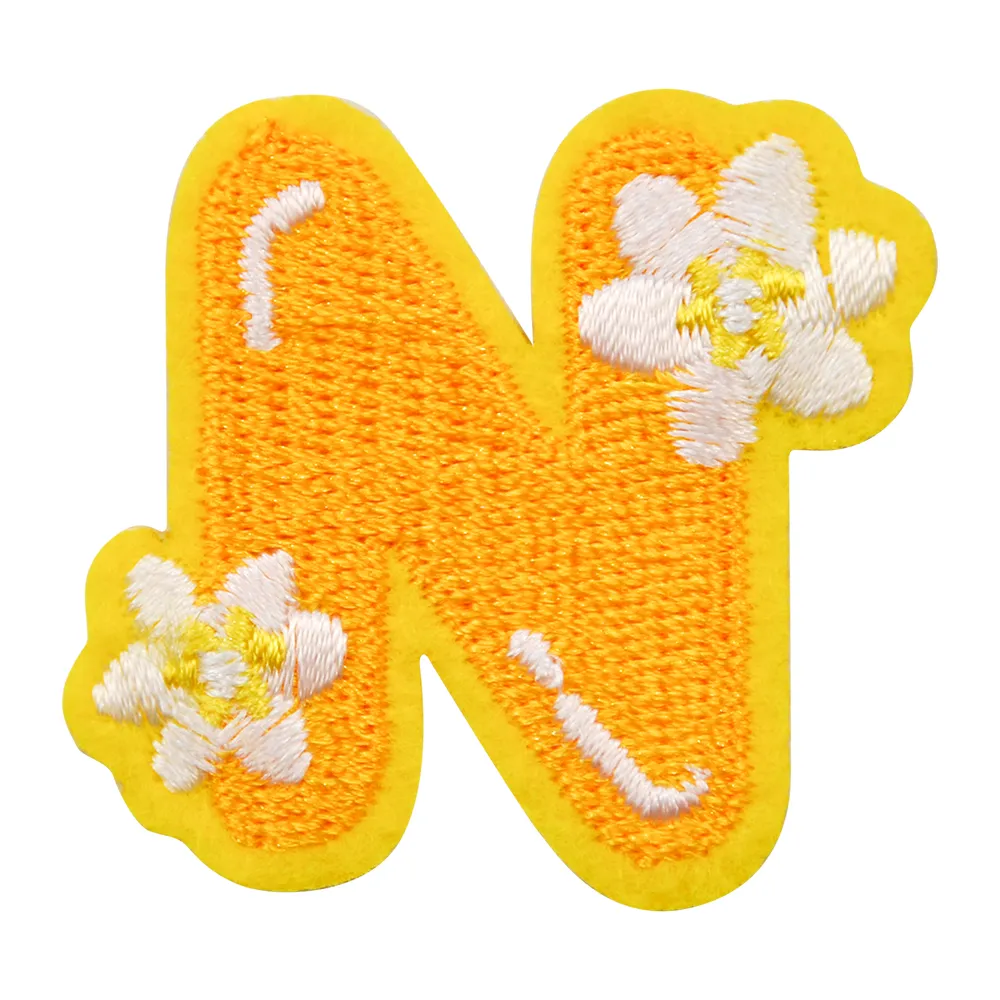
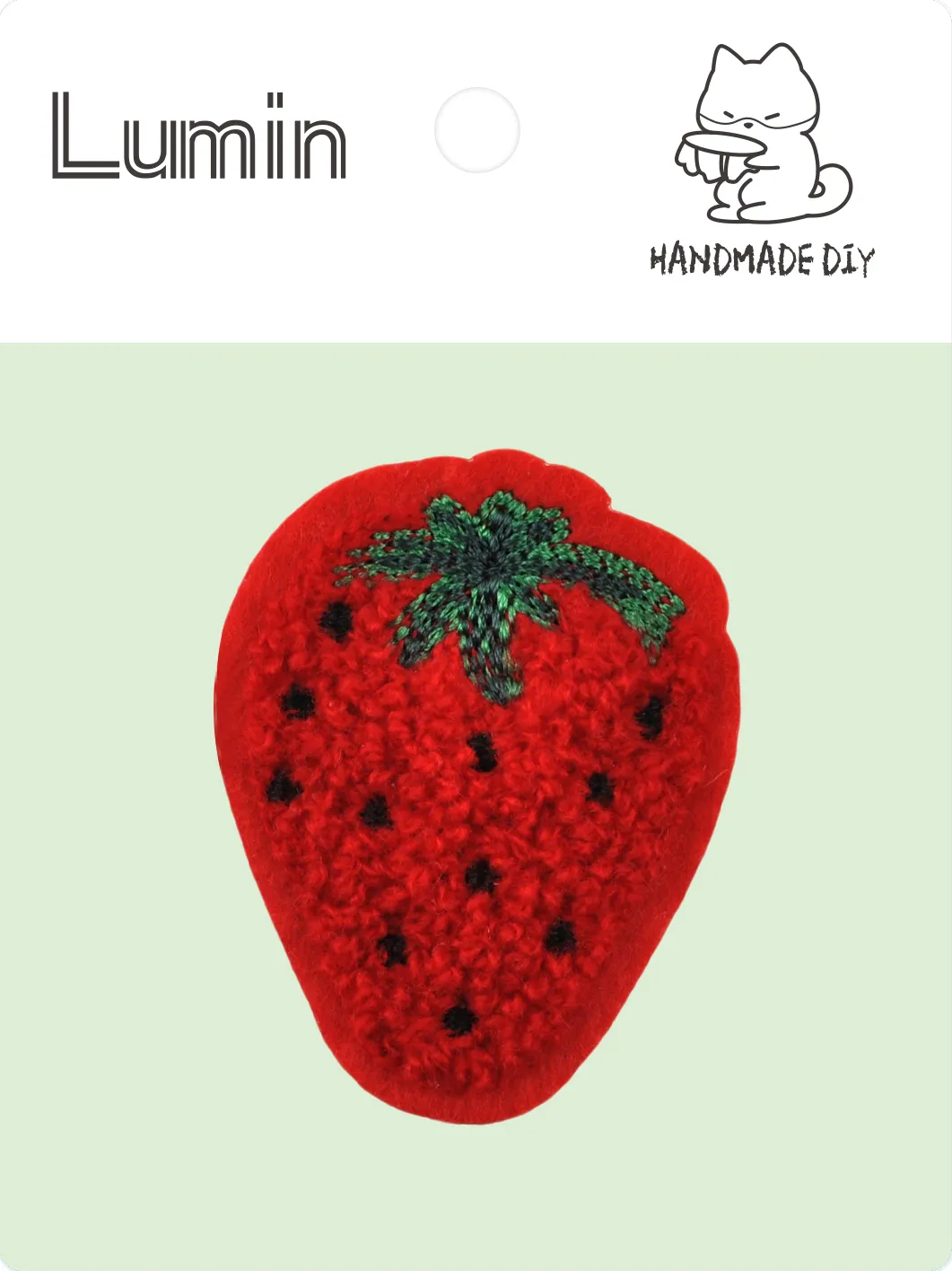
Grabbing a patch off a craft store shelf, you’ll notice not all embroidery patch designs feel the same. The fuzzy look on high school letterman jackets is called Chenille. Think of Chenille as a tightly packed carpet creating a 3D texture. Conversely, standard patches use a Satin Stitch—a smooth finish where threads sit side-by-side to create crisp lines.
Your project dictates the best option:
- Chenille: Thick, 3D, and nostalgic—perfect for classic chenille varsity letters on spirit wear.
- Standard: Flat, sharp, and modern—ideal for a high-detail alphabet embroidery patch.
- Felt-Base: Stiff and vintage, providing a sturdy background.
Whatever style you pick, ensure it has a “Merrowed Edge”—the thick border wrapping the outside to prevent fraying.
Beyond looks, matching a patch’s weight to your clothing is crucial. A heavy red embroidery letters patch complements sturdy denim but will sag heavily on a light t-shirt. Securing it permanently requires matching the backing adhesive directly to the fabric type.

The ‘Safe-Zone’ Framework: Matching Backings to Your Fabric
Navigating fabric compatibility requires a quick check to prevent damaging your garment. Ensure your item is 100% cotton, heavy denim, or a high-cotton blend capable of withstanding high temperatures without damage.
Flip your design over, and you will likely spot a smooth plastic film called a Heat Seal backing. Think of this film like a grilled cheese sandwich: an iron’s heat melts that plastic into a permanent glue that binds to the clothing’s fibers. High heat will melt thin nylon right alongside the glue, making the choice between iron on vs sew on letters for denim versus synthetic activewear critical.
Materials outside this high-heat boundary require a gentler approach. When applying embroidered initials to leather, raincoats, or stretchy gear, use heavy-duty fabric glue as a heat-free alternative, or simply stitch them down directly.

Master the Application: Step-by-Step for Iron-On and Sew-On Success
Finding the best way to arrange letters on a backpack or jacket is your first crucial step. Tape them down to visualize the layout before committing. If your fabric failed the heat test earlier, use heavy duty fabric glue for permanent bond results instead. For heat-safe garments, follow this 4-step Permanent Bond checklist:
- Pre-heat: Warm the bare fabric for 10 seconds.
- Pressure: Press an iron firmly over the letter for 30 seconds.
- Flip and Iron: Use the Flip-and-Press technique—ironing the inside of the garment draws the melted adhesive deep into the fibers.
- Cool Down: Let it sit completely untouched for five minutes.
After cooling, physically check the seal by performing the Tug Test. Gently pick at the letter’s edges; if any part lifts, simply repeat the Flip-and-Press technique.
Figuring out how to stop patches from peeling off after repeated laundry cycles requires one final step: the Reinforcing Stitch. Adding just a few basic needle loops at the sharpest corners acts like an insurance policy, locking your design securely in place.

Ordering and Customization: From Wholesalers to DIY Makers
Finding the right supplier is the bridge between a good idea and a great jacket. Searching “patch embroidery near me” connects you with local shops perfect for single initials, whereas online alphabet sets offer better value for spelling full words. Watch out for Minimum Order Quantities (MOQs)—industry jargon meaning “you must buy 50.” Always filter for a “custom patch embroidery no minimum” policy.
Quality control with an embroidery patch maker comes down to “stitch density.” Think of density like pixels on a television screen; more stitches create a vibrant, solid letter without the underlying fabric peeking through. Before purchasing your name patch embroidery, ask the creator these three questions:
- Stitch Density: Is the thread tight enough to completely hide the base fabric?
- Backing Options: Is the adhesive a permanent iron-on film or bare for sewing?
- Edge Finish: Are the borders securely sealed to prevent fraying over time?
Keeping premium, firmly attached letters pristine requires specific, ongoing upkeep.
Your Long-Lasting Patch Plan: Care Instructions and Final Checklist
Proper adhesive combined with a few anchoring stitches ensures your heat seal patches remain securely locked to the fabric. To guarantee a durable result on every project, use this final checklist:
- Fabric check: Verify your garment won’t melt under an iron.
- Style match: Pair the patch aesthetic and weight to your project.
- Application method: Melt the glue entirely, then stitch the corners.
- Tug test: Gently pull the edges to confirm the bond.
The true secret to durability happens later. Strictly following washing instructions for embellished garments—specifically the “Cold Wash, Air Dry” rule—protects that adhesive and extends your patch’s life by 2x. You are now equipped to craft personalized, professional-looking wearable art that withstands heavy, daily use.
