


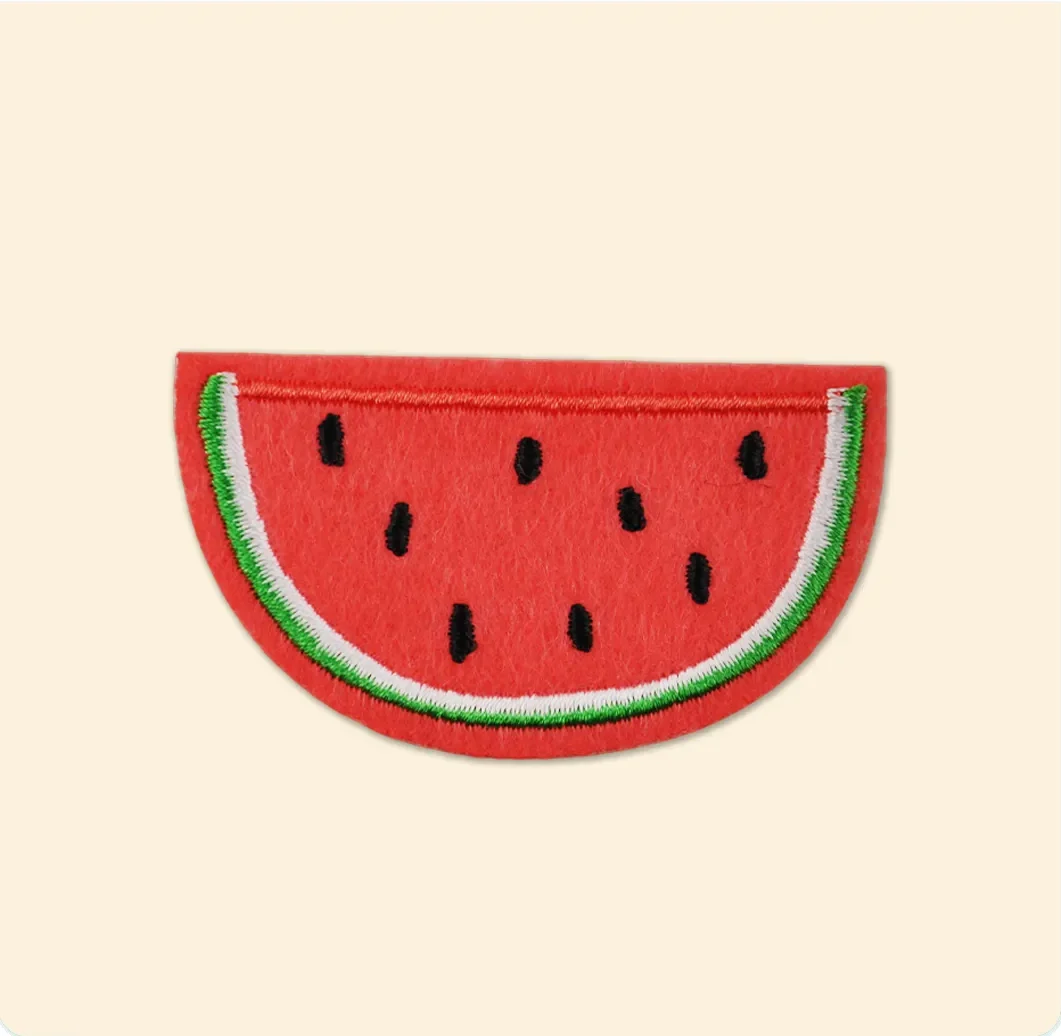
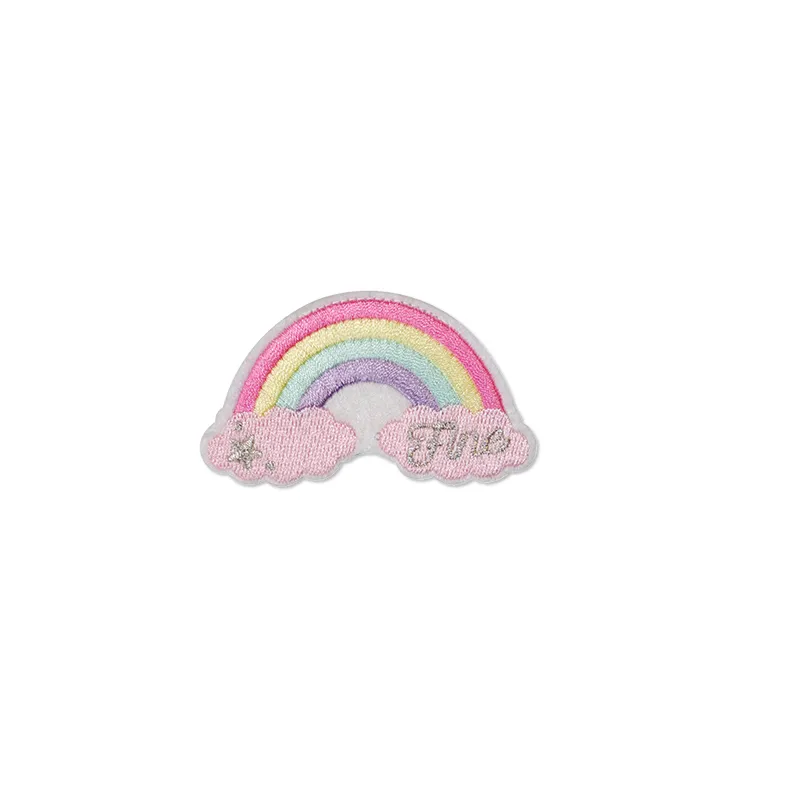
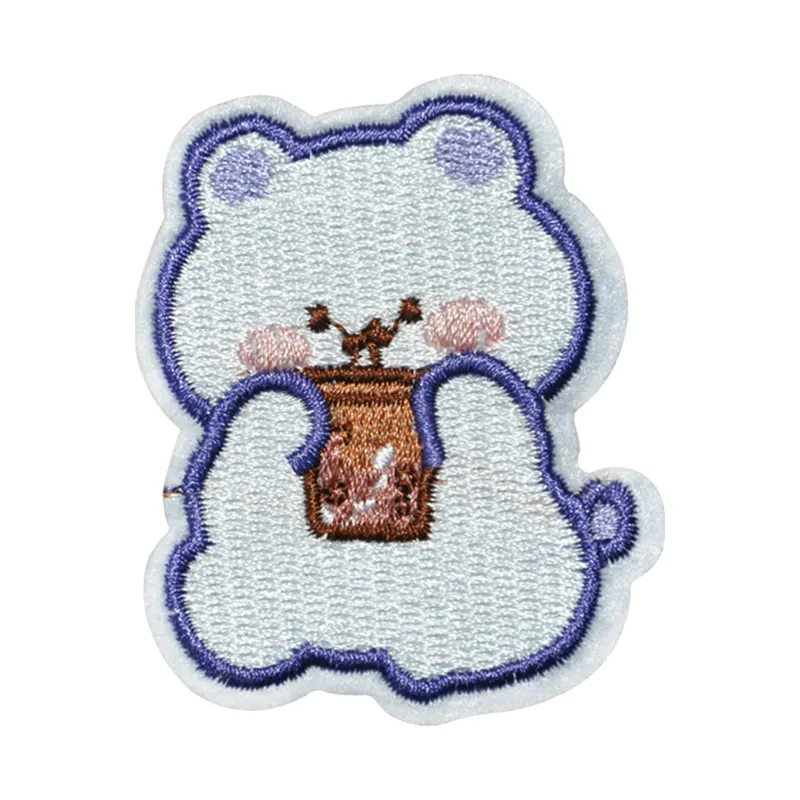
Imagine being able to personalize your wardrobe with a unique touch that expresses your personality or supports a cause you care about. With the resurgence of DIY fashion, embroidery patches have become a creative outlet for many enthusiasts looking to add flair to their clothing and accessories. Crafting your own embroidered patch might seem like an intimidating task reserved for experienced artisans, but in reality, it’s a skill that anyone can master with a bit of guidance and patience.
Embroidery, an art form with rich historical roots, has been embraced by cultures worldwide, each adding their signature styles. Today, making an embroidery patch is not only an engaging pastime but also a rewarding way to craft something truly one-of-a-kind. In this guide, we’ll delve into the essentials of how to make an embroidery patch, breaking down the process into manageable steps. Whether you’re a seasoned crafter or a curious beginner, you’ll discover that transforming threads into vibrant works of art is easier than you think, opening up a world of creative possibilities.
Choosing the Right Materials
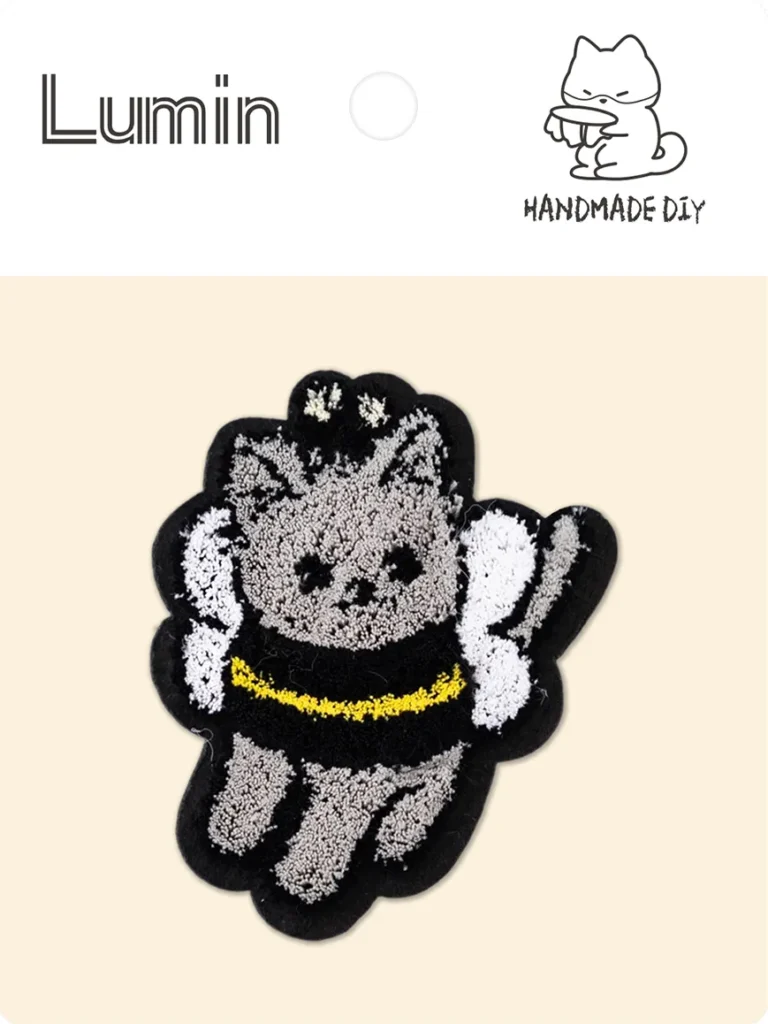
Before you dive into the technique of how to make an embroidery patch, gathering the proper materials sets the foundation for a smooth, enjoyable crafting experience. First and foremost, select a stable base fabric—ideally a medium-weight cotton or a twill that can withstand stitching without puckering. A backing stabilizer (tear-away or cut-away) is equally important; it prevents your design from distorting as you work and ensures longevity once the patch is completed. When choosing embroidery floss or thread, opt for high-quality, colorfast varieties to maintain vibrancy through washes and wear. You’ll typically need several spools in complementary shades, depending on your design’s complexity.
In addition to fabrics and threads, you’ll want an embroidery hoop to keep your material taut and a set of sharp embroidery needles in assorted sizes. Fine-point scissors are essential for trimming threads cleanly, while a water-soluble or heat-erasable pen helps in transferring your design with precision. If you’re planning on making iron-on patches, pick up a sheet of fusible webbing that adheres with heat. Should you prefer sew-on patches, lightweight interfacing or felt can be used on the back for extra sturdiness. By assembling these materials ahead of time, you’ll streamline the process of how to make an embroidery patch and avoid mid-project interruptions.
Designing Your Patch
When learning how to make an embroidery patch, a clear, well-thought-out design is your roadmap. Begin by sketching your idea on paper, ensuring lines are bold and shapes simple enough to translate into stitches. If you’re working digitally, use graphic software to refine proportions and choose a final color palette. Remember that overly intricate details may get lost in tiny stitches, so aim for clarity and contrast. Consider the patch’s intended use: a small logo on a denim jacket benefits from a compact, high-impact design, while a larger patch on a tote bag can display more elaborate imagery.
Once your design is finalized, resize it according to your patch dimensions—common sizes range between 2 and 4 inches in diameter. Print or trace the artwork onto tracing paper or transfer film. Position it on your fabric and use your preferred transfer method—a heat-erasable pen, lightbox tracing, or a temporary adhesive spray—to get a crisp outline. Achieving a precise design transfer is one of the most critical steps in how to make an embroidery patch, as it dictates the stitch placement and overall finish of your piece.
Selecting the Appropriate Stitching Technique
Understanding stitch types is fundamental when learning how to make an embroidery patch that stands out. The stitches you choose impact texture, coverage, and the patch’s overall durability. Common options include satin stitch, backstitch, and fill stitch, each offering distinct visual effects and suited to different design components.
While satin stitches create smooth, glossy lines perfect for lettering or borders, backstitches deliver precise outlines and fine details. Fill stitches, such as long-and-short or seed stitch, cover larger areas efficiently while adding depth. Mixing these techniques can elevate your patch, lending dimension and professional polish.
Satin and Backstitch
The satin stitch is a go-to for many crafters who want to learn how to make an embroidery patch with crisp edges and a lush finish. To execute a satin stitch, bring the needle up at one edge of your design line, then insert it directly across at the opposite edge. Keep your stitches parallel and evenly spaced to produce that signature sheen. Practice maintaining consistent tension; too tight, and the fabric puckers, too loose, and the stitches look sloppy. Satin stitch is ideal for small to medium shapes, like letters or narrow borders, where a polished look is essential.
In contrast, the backstitch offers incredible precision for outlining or creating thin lines. Begin by making a small forward stitch, then bring your needle up a stitch length ahead, and insert it back into the end of your previous stitch. This creates a continuous, solid line that holds up well under stress. Backstitching is often used in tandem with satin work to define edges or add intricate details that might otherwise blur.
Fill and Specialty Stitches
Fill stitches, such as long-and-short or seed stitch, are indispensable when covering larger patches with color. The long-and-short stitch involves alternating long and short stitches in staggered rows, blending hues and creating subtle gradients. This technique shines in floral motifs, animal fur, or any element where shading elevates realism. Ensure that each row overlaps the previous slightly to avoid gaps.
Seed stitch, a scatter of tiny, randomized stitches, adds texture and visual interest for backgrounds or organic surfaces like leaves. Specialty stitches—French knots, chain stitch, and bullions—can be sprinkled within your design to add ornamentation and dimension. When you master how to make an embroidery patch combining these stitch types, you’ll unlock endless creative possibilities and make your patches true works of art.
Beginning the Embroidery Process
Now that you know how to make an embroidery patch and have chosen your materials, design, and stitches, it’s time to get started. Start by hooping your fabric and stabilizer together, ensuring the fabric is taut but not stretched. Position your transferred design centrally in the hoop so that you can stitch comfortably without constantly repositioning. A stable hoop setup saves time and helps maintain stitch consistency.
Next, thread your needle, knot the end, and determine your stitching sequence. It’s often best to work from the center of the design outward to prevent fabric distortion and uneven tension. For example, if your patch features a central motif, complete its fill stitches first, then move on to outlining, and finally tackle background elements. Keep your workspace well lit and take breaks to rest your eyes and hands—this preserves accuracy and prevents fatigue.
Finishing Touches and Securing the Patch
With your stitching complete, it’s time to transform your embroidered piece into a fully functional patch by adding a backing and neatening edges. First, trim excess stabilizer from the back, being careful not to cut any stitches. If you selected an iron-on backing, place a piece of fusible web between your patch and a backing fabric or adhesive sheet. Press with a hot iron—without steam—to bond the layers. For sew-on patches, adhere lightweight interfacing or hand-stitch a felt backing for added stiffness.
Next, carefully trim the patch along its outline, leaving a small fabric margin to prevent fraying. You can seal the edges with a thin line of fray-check or clear fabric glue for extra durability. If you want a cleaner, rounded finish, use pinking shears. Finally, give your patch a gentle press under a cloth to flatten any puckering and set the stitches. By following these steps, you’ll ensure your patch holds up through washes and daily wear.
Displaying Your Masterpiece
Now that you’ve mastered how to make an embroidery patch, it’s time to showcase your creation. Iron-on patches can be effortlessly applied to denim jackets, backpacks, or caps. Place the patch face-up on your garment, cover with a thin cloth, and press with firm, even pressure for 15–20 seconds. Let it cool completely before checking the adhesion. For sew-on patches, align your piece, pin it in place, and hand-stitch around the edges with matching thread to achieve a seamless look.
Beyond clothing, embroidered patches can be framed under glass as mini artworks, affixed to throw pillows for custom home décor, or used as embellishments on tote bags and laptop sleeves. You might even create a patch collection displayed on a corkboard or quilted wall hanging. Share your finished patch on social media to inspire fellow crafters and join DIY communities—your journey in how to make an embroidery patch can spark creativity in others and open doors to collaborative projects.
Conclusion
Mastering the art of how to make an embroidery patch involves thoughtful material selection, precise design transfer, and a mix of stitching techniques. By following each step—from gathering the right supplies to applying the finishing touches—you’ll create a durable, eye-catching patch that reflects your personal style.
With practice, patience, and creativity, you can expand your patch-making skills, exploring new designs and stitch combinations. Whether you adorn your favorite jacket or gift a loved one a custom creation, your embroidered patch will stand as a testament to your craftsmanship and imagination.
