
Patch Sew On Techniques: Master Embroidered Patches
We’ve all been there: you iron a perfect vintage design onto your denim jacket, only to watch the edges peel after a single wash. According to garment care experts, any iron-on vs sewing durability comparison reveals a clear winner. Heat-activated glue creates a brittle adhesive bond, but physically looping thread through both layers of fabric forms a permanent mechanical bond.
High-friction spots like knees, elbows, or stuffed canvas backpacks demand materials that move with your body. The best way to sew on a patch in these active areas is to utilize stitch flexibility. In practice, this means the thread acts like a tiny hinge that bends alongside the fabric, instead of simply cracking under pressure.
Mastering a proper patch sew on does more than secure a loose corner. It serves as the “Hello World” of DIY fashion, permanently shifting your mindset from merely consuming clothes to confidently creating them.
Gathering Your Gear: Choosing the Right Needle and Thread for Heavy Fabrics
Popped stitches usually happen when delicate materials fight tough fabrics. When debating polyester vs cotton thread, 100% polyester is the best thread for attaching embroidered badges. It features a higher “ply”—the number of individual strands twisted together into one—making it incredibly durable against rough wear and washing machines.
Gathering the proper supplies keeps your fingers safe and your stitches clean. You only need these four essentials:
- Hand sewing needles for heavy canvas: Choose “Sharps” (longer needles offering better grip) rather than “Betweens” (short needles meant for thin fabrics).
- Polyester thread: For unbeatable strength that won’t snap.
- A thimble: Highly recommended for pushing through thick denim without hurting your thumb.
- Small scissors: To snip stray strands cleanly.
Think of your needle like a tiny shovel diving into the dirt; a longer “Sharps” needle simply gives you much better leverage.

Position is Everything: How to Prep and Pin Your Patch Without Puckering
Preventing fabric puckering starts before the needle ever touches cloth. This frustrating wrinkling happens when a brand-new cotton jacket shrinks in the wash, while the stiff patch stays its original size. Always pre-wash and dry your garment to get that natural shrinkage out of the way, establishing a smooth, permanent foundation for securing emblems.
Careful placement is equally vital, particularly if you are working near thick, stubborn seams. When tackling the question of how do i sew on a patch without it shifting, rely on the “three-pin” method. Push one straight pin through the center and two along opposite edges to hold the design completely flat.
The In-and-Out Rhythm: Mastering the Basic Running Stitch for Quick Fixes
With your needle threaded and fabric pinned, you are ready for the running stitch method. Think of this as a simple in-and-out rhythm. Push the needle up through the garment just inside the patch’s thick embroidered border, then dive back down a short distance away. Following this inner border provides a built-in guide for a straight line.
Finding the proper spacing is the secret to a durable hold when learning how to sew a patch on. Aim for a “sweet spot” where each stitch is roughly the width of a grain of rice. Gaps that are too long will eventually snag on doorknobs or backpack straps, while tiny stitches take forever to finish. Consistency is your primary goal.
This straightforward technique is ideal if you are figuring out how to sew a patch on a shirt without making the thin cotton stiff or bulky. However, thicker denim fabrics sometimes require wrapping the actual edge.
The Spiral Notebook Method: Using the Whipstitch for a Professional Border
Tired of patches curling up after a wash? While the basic in-and-out method works on thin shirts, mastering how to sew on an embroidered patch securely means wrapping its border. This highlights the main difference in a whip stitch vs running stitch: rather than just sewing inside the line, you hug the outside edge to lock it flat against the fabric.
Think of this technique like the wire binding of a spiral notebook. Bring your needle up just outside the patch, then push it down through the thick embroidered border.
Repeating this looping motion creates the strongest attachment for heavy fabrics like denim. Because your thread sinks into the border’s woven ridges, it practically disappears, giving a professional, factory-finish look. It is the ultimate trick for securing loose edges that might otherwise snag on a backpack strap or doorknob.
Naturally, even the tightest edge-wrapping loops will fail if your thread slips out. Before tackling that border, you need a reliable foundation.

Anchoring Your Design: How to Start and End Stitches So They Never Pull Through
Learning how to stitch patches by hand often fails when thread pulls right through the shirt. To prevent this, use invisible stitch techniques to hide the starting point. Push your needle up from underneath the patch, sandwiching the knot invisibly between the patch and the garment.
That hidden anchor must be strong, making the tailor’s knot essential. Wrap the thread end around your index finger twice, roll it off with your thumb into a twisted clump, and pull tight. This chunky knot acts like a doorstop, securing thread firmly against the fabric.
Finishing requires equal security, achieved by using a backstitch. Take one tiny stitch backward over your last loop before tying off, locking the thread so it survives the wash.
Conquering Denim and Leather: Techniques for Thick Materials Without Breaking Needles
Pushing a tiny needle through a stiff vintage jacket often feels like drilling through concrete. When attaching patches to leather without a machine, brute force usually just results in a snapped needle and sore fingers. Instead of pushing straight down, use a gentle “rocking” motion to wiggle the metal point between the tight woven fibers.
Upgrading your toolkit makes stubborn materials completely manageable. Keep these simple adjustments in mind to save your hands:
- Size up: Use thicker, stronger hand sewing needles for heavy canvas.
- Wax the thread: Coating your thread with beeswax stops tangles and helps it glide smoothly through dense layers.
- Add mechanical advantage: If a needle gets stuck halfway, grab small household pliers to safely pull it through the seam.
- Support the material: Place a backing piece of scrap fabric behind the hole for extra stability.
Mastering these manual tricks ensures you won’t have to avoid decorating heavy gear. Even if you are just rescuing a peeling iron on patch for pants, proper leverage makes all the difference.
Reinforcing Iron-On Patches: Why You Should Stitch the Edges for Maximum Longevity
Wondering, can you sew an iron on patch? The answer is absolutely, and doing so creates a highly reliable hybrid attachment. While ironing secures the placement perfectly, heat-activated glue alone often fails in the wash or peels off synthetic fabrics—especially when customizing an iron on patch beanie made of polyester or acrylic blends. Adding a simple “insurance” stitch around the border easily doubles your design’s lifespan.
Figuring out how to sew an iron on patch through tough, cooled adhesive can be frustrating if the glue gums up your needle. To stop this sticky mess, simply wipe your needle with rubbing alcohol or poke it through a scrap of wax paper every few stitches to keep it gliding smoothly.
Customizing Your Style: Creative Placement for Name Patches and Embroidery Letters
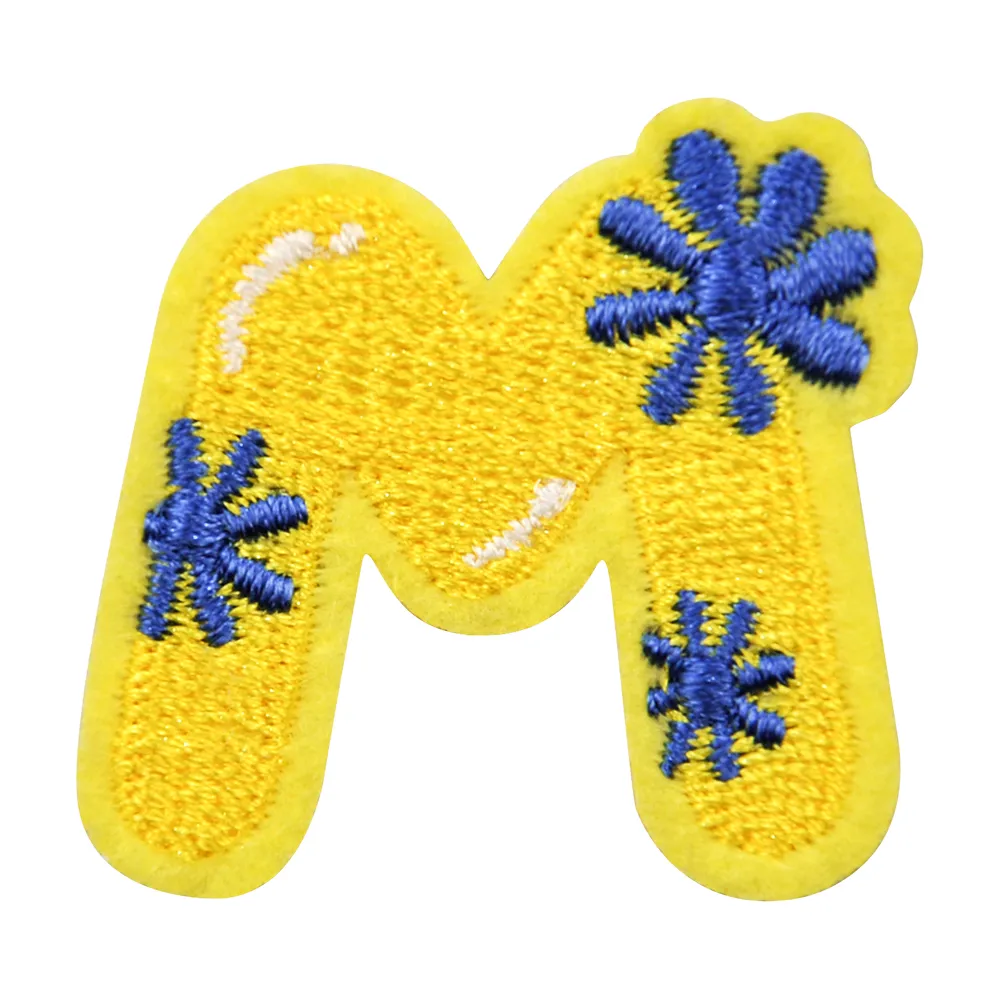
Once your borders are secure, the creative fun truly begins. Using an embroidered name patch or letter patch embroidery easily masks stubborn stains on a favorite hoodie. The trick here is “visual balance”—making sure the addition looks intentional rather than random. If you cover a tear on one side, simply add a smaller patch nearby to keep the overall design looking even and deliberate.
Moving beyond traditional shoulder placements transforms everyday clothing into a personalized canvas. You can try “theme clustering”—grouping related designs closely together to tell a visual story on a denim jacket. Consider applying your next iron on custom patch to these unexpected locations:
- Backs of hats
- Cuffs of hoodies
- Over pocket holes
- Backpack straps
- Beanie brims (creating unique embroidery patch hats)
Exploring these fresh angles ensures your wardrobe perfectly reflects your personality.

From Fixes to Fashion: Your New Skills for Lifetime Clothing Customization
Before today, a needle and thread might have felt intimidating. Now, you hold the power to confidently repair or upgrade any garment in your wardrobe. Instead of relying on a flimsy diy iron on patch that inevitably peels, you can securely attach any design using your own two hands.
You can put these skills into practice right away. If you have been wondering how to sew a patch on a jacket, grab some denim and attach a custom embroidery patch right now. Mastering this simple rhythm means you can save money by repairing holes in your favorite pants or share your new skill by creating unique, handmade gifts for friends.
Look at your closet as an open canvas waiting for personal expression and sustainable repair. Thread that needle, trust your capable hands, and start transforming your wardrobe.
Frequently Asked Questions (FAQ)
1. Why should I sew a patch instead of ironing it on?
Iron-on patches use heat-activated glue that creates a temporary adhesive bond. Over time, especially after washing or in high-friction areas (elbows, knees, backpack straps), the glue becomes brittle and the edges peel. Sewing creates a permanent mechanical bond – the thread physically loops through both the patch and garment, acting like tiny hinges that bend with the fabric instead of cracking. For items that get heavy use or frequent washing, sewing is always more durable.
2. What needle and thread should I use for sewing patches on heavy fabrics?
| Item | Recommendation | Why |
|---|---|---|
| Needle | “Sharps” (longer needles) | Better leverage for thick fabrics; avoid “Betweens” (short needles for thin materials) |
| Thread | 100% polyester | Higher “ply” (strands twisted together) makes it stronger than cotton; resists breaking under stress |
| Optional | Thimble, small pliers | Protects fingers; helps pull needle through stubborn seams |
For denim, canvas, or leather, size up to a thicker, stronger needle. Waxing the thread with beeswax prevents tangles and helps it glide through dense layers.
3. How do I prevent my patch from shifting while I sew?
Use the “three-pin” method:
Push one straight pin through the center of the patch
Place two more pins along opposite edges
This holds the design completely flat against the fabric
Before sewing: Always pre-wash and dry your garment. Patches don’t shrink, but fabrics like cotton do. Pre-washing prevents “puckering” – wrinkling that happens when the fabric shrinks around a stiff patch after the first wash.
4. What is the best stitch for sewing on patches?
Two stitches work best depending on your goal:
| Stitch | Method | Best For |
|---|---|---|
| Running stitch | In-and-out rhythm just inside patch border | Thin fabrics (t-shirts); quick fixes; prevents stiffness |
| Whipstitch | Loop thread from outside edge through patch border | Heavy fabrics (denim, canvas); locks edges flat; professional factory finish |
Spacing: Aim for stitches about the width of a grain of rice. Gaps too long will snag; tiny stitches take forever. Consistency is key.
5. How do I start and end stitches so they don’t pull through?
Starting (invisible anchor):
Push needle up from underneath the patch
Hide the knot between patch and garment (not on top)
Knot: Use a tailor’s knot – wrap thread around finger twice, roll off into a twisted clump, pull tight. This chunky knot acts like a doorstop.
Ending (secure finish):
Take one tiny backstitch (stitch backward over your last loop)
Tie off and trim
The backstitch locks the thread so it survives washing
6. Can I sew over an iron-on patch that is already attached?
Yes, and this hybrid method is highly recommended. Ironing first secures perfect placement; adding stitches around the border doubles the patch’s lifespan.
For iron-on patches with cooled adhesive:
The glue can gum up your needle
Solution: Wipe needle with rubbing alcohol, or poke it through wax paper every few stitches
This keeps the needle gliding smoothly
