

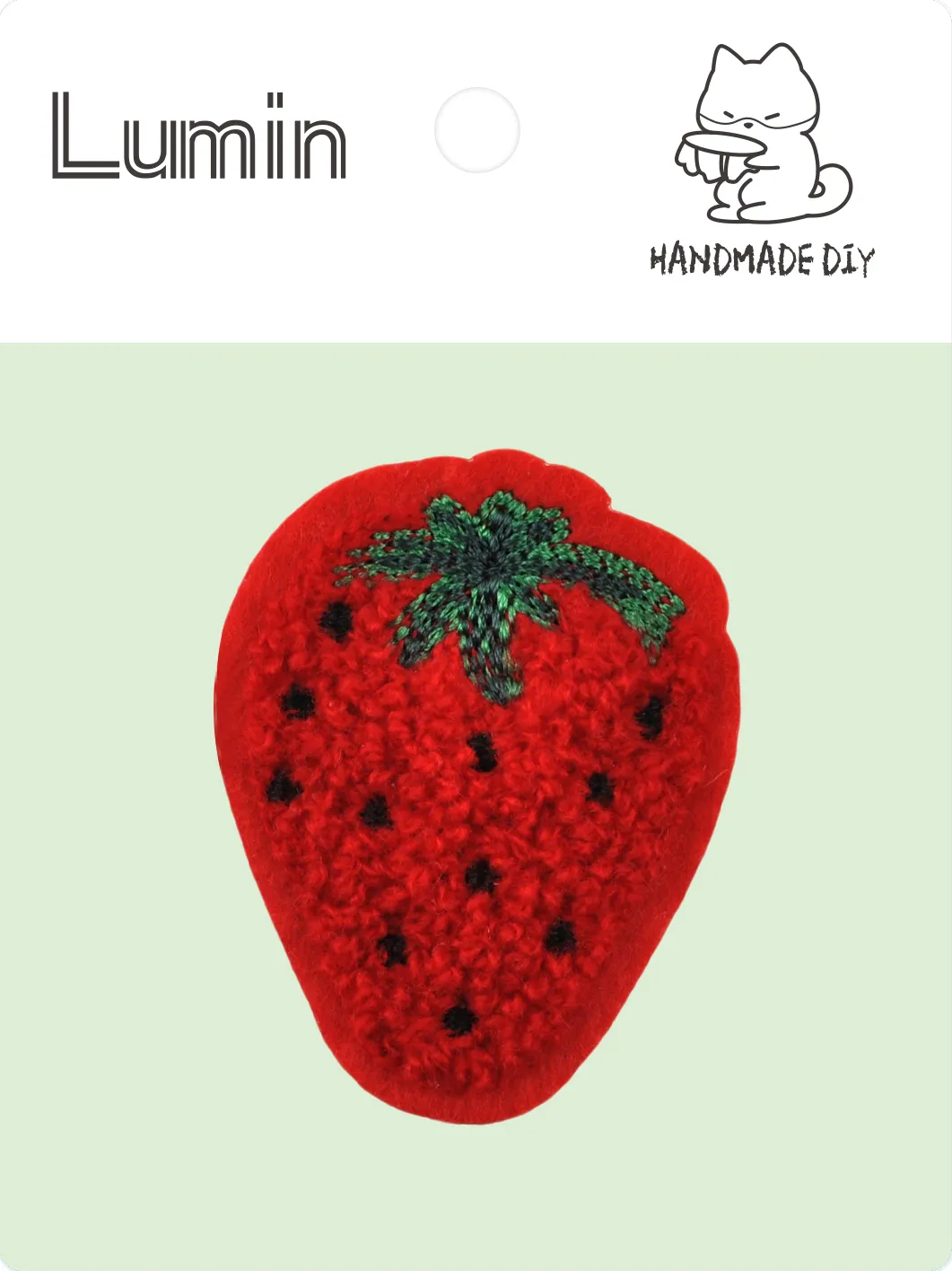
How to Make an Embroidery Patch
That denim jacket sitting in the back of your closet is actually a blank canvas. Instead of settling for boring, mass-produced fashion, you can create something deeply personal using just a few dollars’ worth of thread. Common knowledge among thrifty crafters suggests that a handmade embroidery patch quickly turns an ordinary garment into a completely unique statement piece.
Covering up a torn knee or a stubborn stain shouldn’t look like a messy compromise. In practice, learning how to make an embroidery patch offers a brilliant, cost-effective way to repair clothes while adding your own creative flair. Simply stitching a simple heart or a geometric shape can permanently rescue your favorite pair of pants from the donation bin.
Creating DIY custom patches starts with properly setting up your fabric and tracing your art. Mastering these foundational steps ensures your design stitches cleanly and its tightly sealed edges survive the laundry.


The Secret Layers: Choosing the Best Fabric and Stabilizer for Durability
Creating a custom design starts with a solid foundation. If you pick something too flimsy, your stitches will distort before they ever reach your backpack. You need the right patch material for embroidery, which means finding a fabric with enough weight to support heavy needlework.
When hunting for the best fabric for embroidery patches, three reliable options stand out for DIY projects:
- Felt: The most forgiving beginner choice because the edges naturally refuse to fray.
- Canvas: A sturdy, classic embroidery patch material that holds crisp details beautifully.
- Denim: Perfect for a rugged, durable look that easily hides minor stitching mistakes.
Fabric alone is still slightly floppy, which brings us to learning how to stabilize embroidery fabric. To keep your stitches from pulling the cloth into a wrinkled ball, we use a “stabilizer”—a temporary, paper-like backing that gives your fabric the stiffness of cardstock while you work. Pair this fortified base with six-strand embroidery floss rather than standard sewing thread; floss is noticeably thicker, fills in shapes much faster, and is specifically dyed to resist fading in the wash.
Gathering the correct layers ensures your finished piece will easily survive everyday wear and tear. With your base materials completely prepped, you are ready to lock everything into place.
The Drumhead Rule: How to Setup Your Embroidery Hoop for Zero Puckering
Slipping your fabric into the rings is a critical step in learning how to make an embroidery patch. Always center your planned design area directly in the middle before tightening the hardware. This simple embroidery hoop setup gives your hands plenty of room to maneuver and prevents your needle from bumping into the wooden edges while you work.

Once centered, it is time to apply the drumhead rule. Gently tug the fabric edges while slowly turning the top metal screw until the surface feels completely flat. Give the center a light tap with your finger. If it bounces back like a snare drum, you have perfect tension for smooth, frustration-free stitching.
Be careful not to pull the cloth too aggressively, because over-stretching will permanently warp your shape. If the fabric weave looks distorted, simply loosen the screw and try again. Mastering this balance is essential for DIY custom patches for beginners, as a perfectly tight canvas ensures your needlework stays crisp.
From Sketch to Stitch: 3 Foolproof Ways to Transfer Patterns to Felt
Taking your sketch to the fabric is a crucial step in making an embroidery patch. First, check your design scaling by making sure your printed shape is exactly the size you want—usually two to three inches wide for backpacks. Holding this paper template against your garment ensures perfect proportions before you ever pick up a needle.
For light-colored fabrics, heat-erasable transfer pens are brilliant because the ink magically vanishes later under a warm hairdryer. To trace your sketch, try the simple window lightbox method:
- Tape your paper design flat against a brightly lit window.
- Press your stretched hoop over the paper so the fabric touches the glass.
- Trace the glowing outline gently with your pen.
Thick or dark materials require a different trick since sunlight cannot easily pass through them. When transferring embroidery patterns to felt, use a white water-soluble pencil instead, which wipes away instantly with a damp cloth once your diy embroidery patch is finished. With your guide lines clearly drawn, you are ready to begin stitching.
Mastering the Satin Stitch: How to Create Professional-Looking Fills by Hand
Now that your design is traced, it is time to stitch. You only need two simple techniques to handle ninety percent of the work on a hand embroidery patch. Think of your thread like a box of markers: the running stitch acts as your fine-tip pen for drawing outlines, while the satin stitch serves as your broad marker for coloring things in.
To outline shapes, use the running stitch by weaving your needle up and down in a basic dashed line. Once the borders are set, the satin stitch creates smooth, gap-free fills for your logos. This technique gives a handmade embroidery patch its rich, professional texture.

Getting that solid, painted look is surprisingly easy. Just follow this three-step guide to a perfect satin stitch:
- Bring your needle up on one edge of your outlined shape.
- Stretch the thread straight across to the opposite edge and push the needle down.
- Bring the needle back up right next to your first starting point to safely stitch embroidery patch details, keeping the threads snugly parallel.
If your thread suddenly knots up while working, do not panic or cut the line. Drop your needle, insert its tip directly into the tangled loop, and pull gently to release the snag. Once you master filling shapes by hand, faster automated alternatives can help scale up your production.
The Machine Shortcut: Making a Patch with an Embroidery Machine
Hand stitching gives your work a personal touch, but creating several identical designs can leave your fingers aching. Upgrading to an embroidery machine for patch making shifts your workflow from drawing to clicking. Instead of tracing a design onto cloth, you “digitize” your artwork using software that translates images into digital stitch paths. This file tells a patch making embroidery machine exactly where to drop every single thread.
Learning how to make a patch on an embroidery machine requires a slightly different physical setup than hand sewing. You still stretch material tight into a hoop, but this frame snaps directly into a motorized arm. Once started, the automated system takes over entirely, rapidly firing the needle to lay down a flawless, densely packed satin stitch.
Because this rapid movement creates intense pulling forces, your standard paper backing will not suffice. You must use a heavy-cutaway stabilizer, giving your fabric the rigid strength of cardboard while the embroidery patch machine runs. After the automated stitching finishes, your piece still must be extracted from the background and the edges tightly sealed.
The Fray-Proof Finish: Using Whip Stitches and Heat Seal Film for Clean Edges
Pulling your design from the hoop feels great, but simply snipping it out leaves fragile, raw fabric. Cutting too close causes threads to unravel, making the secret to preventing embroidery patches from fraying all about wrapping those exposed borders completely.
Think of this next step like binding the edges of a tiny rug. Using a technique called the whip stitch for patch edges, you repeatedly loop thread over the raw cut fabric, coming up from the back and pulling tight. This action effectively locks loose fibers inside a protective, colorful thread shell, giving you that classic, professional border.
Once secured, deciding on an embroidery patch backing dictates how it will attach to your backpack or jacket. Learning how to make an iron on embroidery patch involves simply cutting a piece of heat seal film to match your shape and ironing it to the reverse side. Consider the benefits:
- Iron-on backing: Fast, mess-free application perfect for stiff items like tote bags.
- Sew-on backing: Permanent flexibility ideal for frequently washed clothing like denim.
Melting this adhesive layer hides messy knots and gives your work a smooth, flat foundation. With your edges neatly bound, your handmade artwork is officially prepared for functional use.
Putting It to Use: How to Attach and Care for Your Custom Creations
That piece of fabric in your hoop is now a durable piece of wearable art. To bridge the gap between craft project and functional clothing accessory, simply stitch your new design directly onto your garment. It’s ready when the edges feel smooth and sit completely flat against your jacket or backpack.
Making an embroidery patch that survives daily wear also requires a little post-crafting care. When it is time to clean your customized gear, always wash the item in cold water and let it air dry. This gentle routine protects your vibrant thread colors and prevents your handmade patch finishing techniques from unraveling in a harsh dryer.
Now that you understand how to make an embroidery patch, every torn pair of jeans or plain tote bag becomes a blank canvas. Start by attaching your first simple design to see immediate results. You have successfully transformed ordinary thread into a custom, durable statement piece built to last.
Frequently Asked Questions (FAQ)
1. What is the best fabric for making embroidery patches?
The best options are:
Felt: Most forgiving for beginners; edges don’t fray naturally.
Canvas: Sturdy and holds crisp details beautifully.
Denim: Rugged and durable; hides minor stitching mistakes well.
Avoid stretchy fabrics like T-shirt jersey, which warp under tension.
2. What’s the difference between tear-away and cut-away stabilizer?
Tear-away stabilizer: Rips off easily after stitching. Best for dense designs on sturdy fabrics. Ideal for beginners.
Cut-away stabilizer: Requires scissors to remove. Provides stronger support for high-stitch-count designs. Recommended for machine embroidery patches.
3. How do I transfer a design onto dark fabric?
Use a white water-soluble pencil or white chalk pencil. These mark clearly on dark materials and wipe away with a damp cloth after stitching. For light fabrics, use heat-erasable pens or the window lightbox tracing method.
4. What stitch creates professional-looking solid fills?
The satin stitch is the go-to for filling shapes. Bring the needle up on one edge of your outline, stretch across to the opposite edge, and push down. Repeat closely side-by-side until the background disappears completely. Keep satin stitches shorter than half an inch to prevent snagging.
5. How do I prevent my patch edges from fraying?
Use a whipstitch around the entire border:
Bring needle up from the back near the raw edge.
Loop thread over the edge and pull tight.
Repeat closely around the entire perimeter.
This creates a protective thread wall that locks loose fibers in place, giving you that classic professional border.
6. Can I make iron-on patches at home?
Yes. After finishing your embroidered patch:
Cut heat seal film to match your patch shape.
Iron the film onto the back of your patch (follow product instructions).
Position patch on your garment.
Iron again with a cotton press cloth between iron and stitches.
For high-movement items like jeans or backpacks, sewing remains more durable than iron-on adhesive.
