


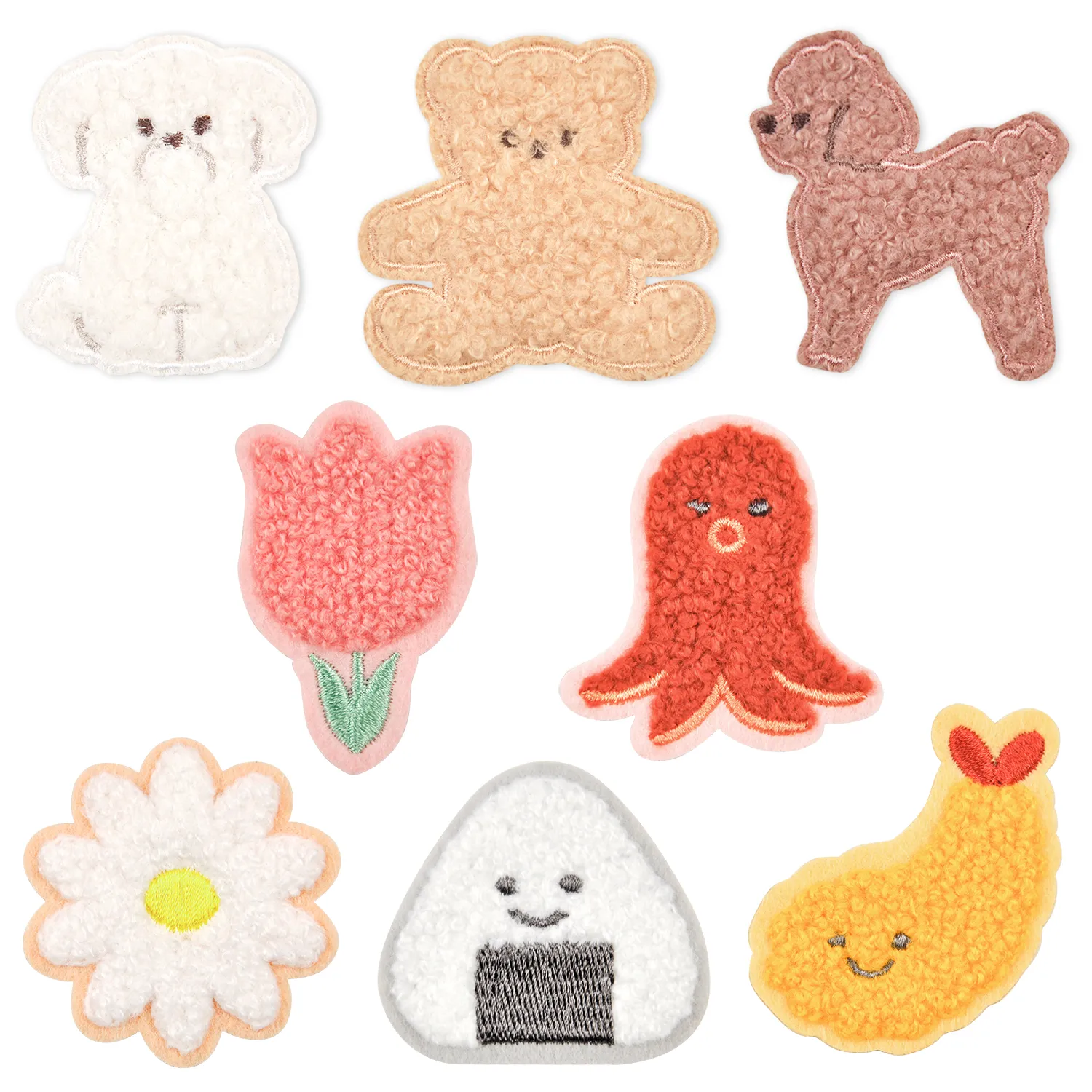


Nothing is more frustrating than a decorative patch peeling at the corners after a single wash. People frequently ask, “can you sew on an iron on patch?” and the answer is an enthusiastic yes. According to textile specialists, relying entirely on heat-seal glue is like placing a rug on a slippery floor without a grip pad—it will eventually shift. This chemical bond only hugs the surface of your favorite canvas backpack or denim jacket.
That temporary surface grip explains why heat-seal adhesive eventually fails on high-wear items. In practice, three common culprits destroy this bond:
- Heat damage from repeated warm laundry cycles.
- Adhesive aging that turns flexible glue brittle.
- Fabric mismatches where the chemical cannot grip thick fibers.
Converting your design into an iron on stitch patch provides a mechanical lock instead. Every loop of thread acts as a physical anchor directly through the fabric. Creating a true stitch embroidery patch is the ultimate insurance policy for your flair. You will know your hard work paid off by performing the “Tug Test.” Try to slide a fingernail under the attached border; if the patch stays perfectly flat and snug, it is secured for good.

Your Patch Toolkit: Choosing the Right Needle and ‘Floss’ Without Overcomplicating It
Grabbing a spool of standard thread from a travel kit might seem tempting when attaching a diy embroidery patch. However, regular thread is simply too thin to hold up against heavy fabrics like denim. Instead, use embroidery floss—the thick, multi-strand cotton string found in craft aisles. Standard sewing needles will often bend or snap when pushed through a rigid border, so you need a sturdier option with a larger eye.
You won’t need a massive craft store haul to securely attach your flair. Getting started requires just four inexpensive items:
- Size 5 embroidery needle: Thick enough to pierce canvas without snapping.
- 6-strand cotton floss: The best embroidery thread for DIY designs.
- Fabric glue stick: A temporary anchor to keep the patch from shifting while you work.
- Sharp snips: Small scissors for clean cuts.
That cotton floss is wonderfully customizable. You can gently pull the thick string apart, separating the strands to match your specific project. Using three strands works perfectly for a subtle, flat look on lighter shirts, while keeping all six provides maximum durability on a stiff backpack. Choosing the right embroidery thread for DIY designs sets a strong foundation for a flawless stitching process.
The 2 Stitches Every DIYer Needs: Mastering the Running Stitch and the ‘Spiral’ Whipstitch
Securing your flair starts by hiding your knotted thread underneath, creating a physical anchor. When asking “how do I sew on a patch that stays put?”, start with a running stitch. Think of this as drawing a dashed line just inside the border. Push the needle down through the fabric, then back up a quarter-inch away, repeating this motion to build vital internal stability.
For the outer edges, a different approach prevents fraying. Learning how to hand sew on a patch securely means mastering the whipstitch, which resembles a tiny spiral staircase wrapping the edge. Push the needle up through the fabric directly beside the border, pull the thread over the edge, and pierce down through the patch to lock it down.
Perfecting your tension determines whether your project looks professional when you sew on a patch by hand. Apply the Goldilocks method: pulling too tight puckers the fabric like a frown, while loose thread leaves messy tripwire loops. Aim for “flat and snug,” pulling each stitch until it rests firmly against the material without distorting the canvas.
Combining these methods is the best way to sew on a patch permanently. After tying off the final thread, perform the Tug Test to ensure you succeeded. Once you master these hand-sewing basics, you can confidently apply them to both store-bought flair and your own custom creations.

From Thread to Badge: How to Make a Custom Patch on Your Embroidery Machine
Transitioning from attaching store-bought flair to creating your own designs unlocks a new level of DIY. If you want to learn how to make a patch on embroidery machine equipment, start with the foundation. Choose a sturdy fabric like poly-twill to prevent the “waffle effect”—that frustrating moment when dense thread pulling against thin material causes the fabric to warp and curl up like a potato chip.
A successful setup keeps your artwork crisp and prevents shifting. Follow this step-by-step sequence to prepare your embroidery machine for patch making:
- Choose your stabilizer: This papery backing supports the fabric. Use a heavy cut-away version—which stays permanently attached—rather than a tear-away style to keep the canvas rigid.
- Hoop the twill: Secure the fabric and stabilizer in your embroidery hoop so the surface feels as tight as a drum.
- Run the tack-down: This initial outline stitch acts as a blueprint, locking the layers together before the heavy stitching begins.
- Stitch the border: Let your patch embroidery machine finish the design with a dense zig-zag outline.
That thick frame, known as a satin border, mimics a classic merrowed edge to prevent fraying while providing a professional finish. Once you discover how to make an embroidery patch from scratch, you will quickly build a colorful collection of custom art ready to be applied flawlessly to your garments.
The ‘No-Shift’ Method: How to Sew Patches onto Sleeves, Backpacks, and Uniforms
Getting a logo straight feels like hitting a moving target. When figuring out how to sew a patch on shirt fabrics, use the garment’s seams as a guide. Measure down from the shoulder seam and secure the item with a safety pin. This prevents slipping, making it easier when you learn how to sew a patch on a uniform by hand using your trusty running stitch.
Narrow sleeves present a unique challenge, as one careless move stitches the armhole shut. The safest trick is sliding your non-dominant hand inside the fabric tunnel. Your fingers act as a physical shield, letting you feel the needle poke through the top layer while blocking it from catching the back.
Heavy canvas requires a slight shift in tools to avoid snapped metal. If you need to know how to sew a patch on a backpack without hurting your hands, upgrade to a thick denim needle. Instead of weaving the thread to force multiple stitches at once, push the needle straight down, pull it through entirely, and push back up to smoothly sew on a patch.
These targeted techniques ensure your flair survives daily wear without buckling. Even with perfect whipstitches securing the edges flat, combining application methods can offer an even stronger, longer-lasting hold.

Iron-on vs. Sew-on: Why the Hybrid Approach Is the Secret to Longevity
People often debate iron-on backing vs sew-on methods, but you do not actually have to choose between them. While heat-seal film works well on its own in a pinch, combining it with a traditional needle and thread creates an indestructible bond. Think of the hot glue as a temporary clamp that holds the design perfectly still, completely eliminating the need for pesky safety pins while you work.
Getting this lifetime hold requires a specific sequence and a “pressing cloth”—a thin cotton towel placed over the design to prevent the iron from scorching the threads or melting the backing.
- Iron firmly over the cloth for 30 seconds to activate the glue.
- Let it cool completely so the adhesive hardens into a solid anchor.
- Stitch the perimeter using your whipstitch to lock down the edges.
Relying solely on heat means your patch might eventually peel in the laundry. This dual approach works wonders: the glue prevents the center from bubbling, and the thread keeps the borders flush against the fabric. Once permanently secured, your design needs a little maintenance to survive the rough-and-tumble spin cycle.
Keeping Your Flair Forever: Washing Tips and Repairing Frayed Edges
You transformed a basic piece of fabric into permanent personal flair. To extend its life by five times, rethink your laundry routine. Proper washing instructions for adhesive backed patches require skipping the heat. Hot water and dryers melt the underlying glue and warp your carefully placed embroidery thread. Instead, stick to cold water washes and air drying. If you spot a loose thread, you now possess the skills for repairing frayed edges on embroidered emblems. Catching a snag early and securing it with a quick whipstitch prevents the entire design from unraveling.
Armed with these new DIY skills, you no longer have to settle for factory-standard clothing. View your blank denim jackets and canvas backpacks as exciting opportunities to showcase your style. Map out your next placements, start with your simplest patch to see immediate results, and watch your confidence grow as you customize your wardrobe.
