


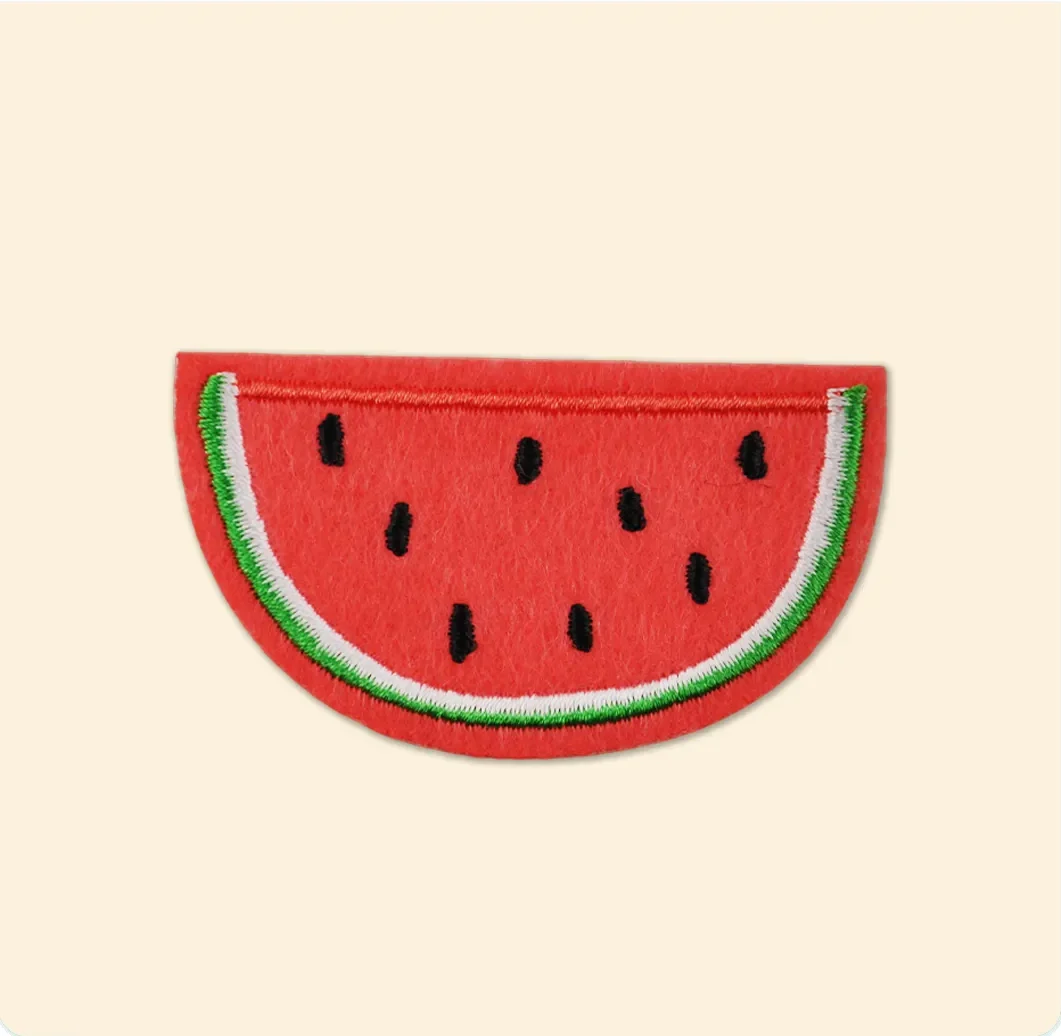
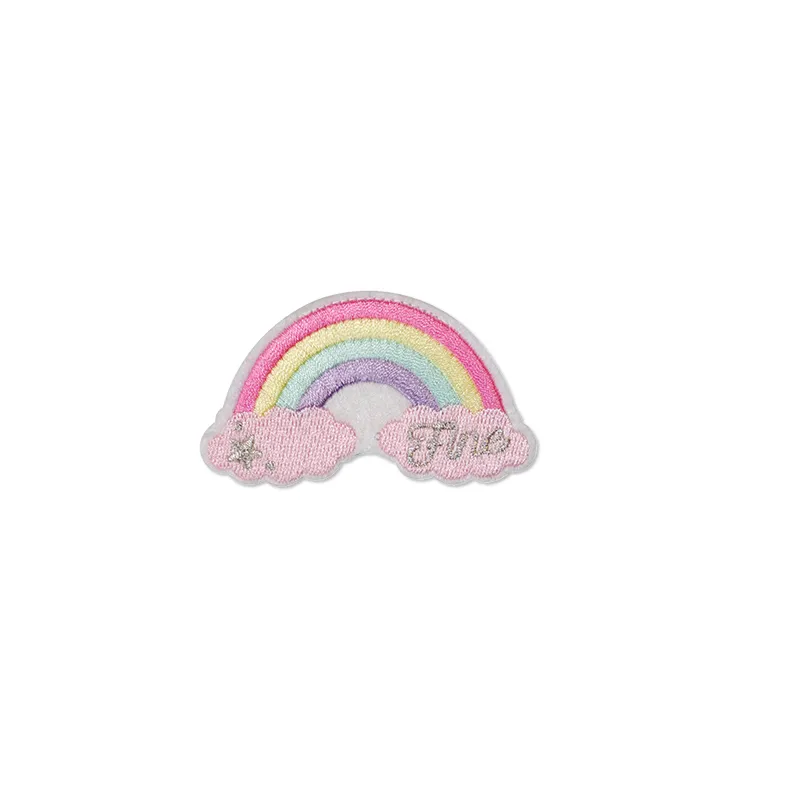
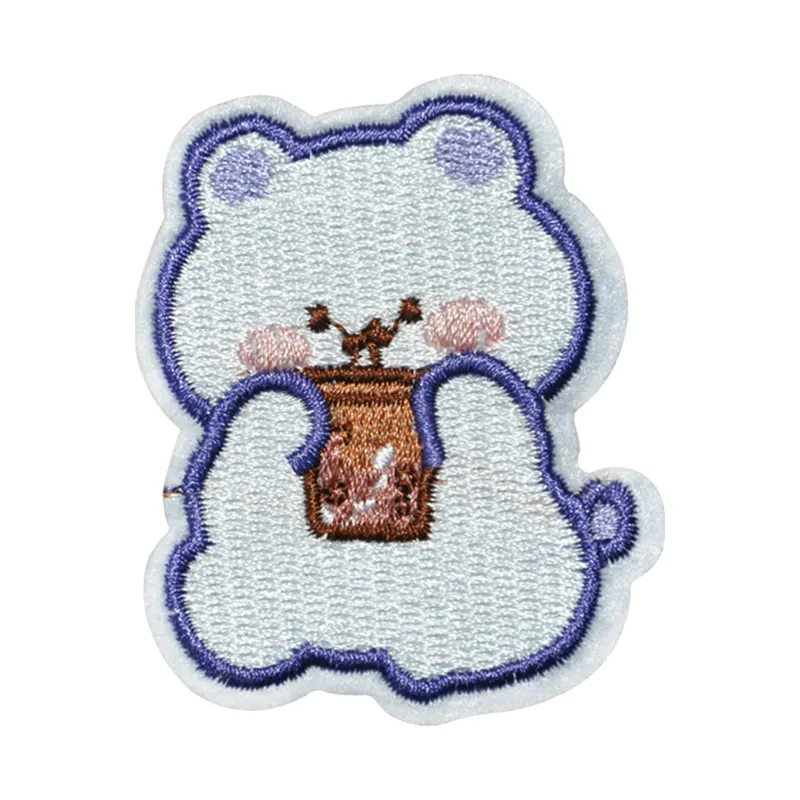
In a world where fast fashion often overshadows individuality, standing out can feel like an uphill battle. Yet, the rise in popularity of the humble embroidery patch is redefining personal style, allowing people to express their uniqueness in vibrant and meaningful ways. Whether it’s a memento from a special trip or a symbol that speaks to your personal identity, custom embroidery patch creations are turning jackets, bags, and hats into canvases for creative expression. Imagine transforming your wardrobe pieces into bespoke works of art that tell your story. This blog post delves into the captivating world of custom patches, illustrating how these small but powerful accessories can revolutionize your look.
From iron-on wonders to sew-on masterpieces, the versatility of embroidered patches knows no bounds. They seamlessly blend craftsmanship and creativity, offering a fusion of tradition and modernity. The charm lies not just in their aesthetic appeal but in the emotional connection they forge between the wearer and their clothing. Each patch carries a tale, a memory, or a message, stitched with precision and a touch of artistry. As we explore this delightful trend, prepare to be inspired by the endless possibilities these textured embellishments bring to personal fashion—inviting you to rediscover your style through the intricate threads of custom embroidery.
The History and Evolution of Embroidery Patches
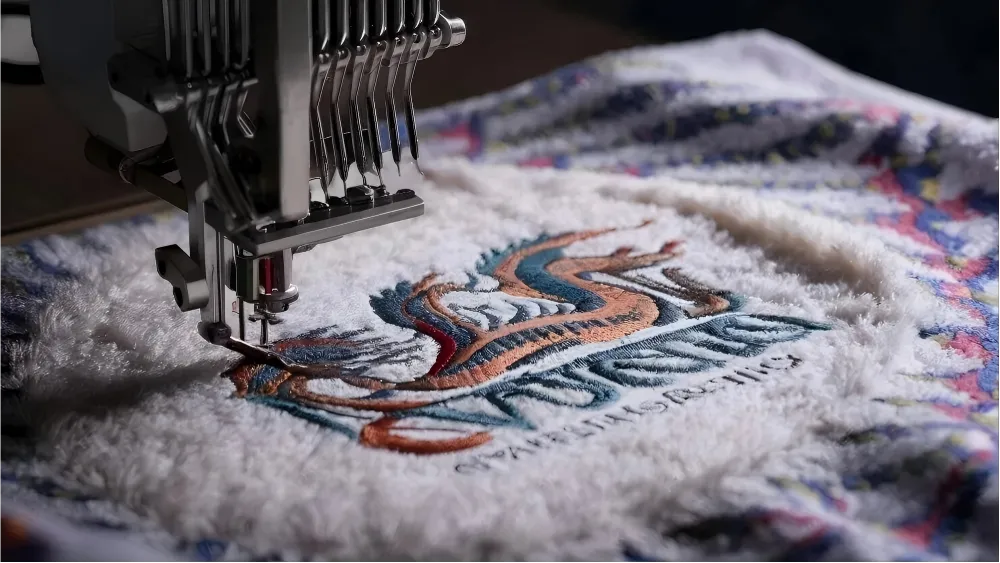
Embroidery patches have a rich lineage dating back centuries, rooted in the traditions of various cultures worldwide. Early examples appear in Asian and Middle Eastern textiles, where craftsmen used needle and thread to create intricate symbols of status, belief, and identity. These embroidered patch motifs—often depicting mythical creatures or familial crests—served as wearable statements long before modern branding existed. As trade routes expanded, this art form traveled across borders, adapting to new materials and techniques.
By the 20th century, embroidery patches had become a staple in military uniforms, scouting badges, and club emblems. Their durable backing and vibrant threads made them ideal for conveying rank and membership. In post-war decades, patches crossed over into civilian life: bikers adorned their leather jackets with custom-made emblems, and music fans stitched band logos onto denim vests. Today, with digital embroidery technology, anyone can design and mass-produce unique embroidery patch creations, merging historical craftsmanship with contemporary flair.
Types of Custom Embroidery Patches
When diving into the world of custom patches, you’ll encounter a variety of styles to suit different needs and aesthetics. The most common types are iron-on patches and sew-on patches, each offering distinct advantages in durability and ease of application. Specialty options like embroidered PVC patches and embroidered woven patches add further versatility by combining texture and finish.
Iron-on patches are user-friendly, featuring a heat-activated adhesive backing that bonds securely when pressed with an iron. Sew-on patches require stitching around the edges, ensuring maximum longevity and a handmade feel. Whether you prefer the convenience of iron on patches or the robust hold of sew on patches, selecting the right type depends on your project, fabric, and desired wear lifespan.
Selecting the Perfect Placement on Garments
Choosing where to place an embroidery patch on your garment can make all the difference in how it complements your style. Classic spots include the chest area of a denim jacket, the front pocket of a backpack, or the cuff of a pair of jeans. These locations draw attention while maintaining a balanced look. For a bolder statement, consider the back panel of a bomber jacket or the shoulder of a canvas tote.
When deciding placement, think about the patch size relative to the garment. A small embroidered patch can accentuate a shirt collar or the brim of a cap, whereas a larger patch shines on the back of a hoodie or the leg of cargo pants. Test with safety pins before committing to iron-on or sew-on application. This way, you can visualize the final effect and ensure your custom embroidery patch sits perfectly.
DIY vs. Professional Patch Creation: Pros and Cons
Creating your own embroidered patch at home can be a fun, cost-effective project, especially if you have basic sewing skills or a home embroidery machine. DIY patches allow for total creative control, from selecting thread colors to experimenting with unique shapes. However, achieving professional-grade results often requires trial and error, and homemade iron-on patches may peel after repeated washes.
On the other hand, working with a reputable patch manufacturer guarantees high-quality materials, precise stitching, and durable backings like heat-seal or velcro. Professional custom patches can be ordered in bulk, ensuring consistency across multiple units. The downside is a higher price point and lead time. Balancing budget, timeline, and desired quality will guide your decision between DIY fun and professional polish.
Unique Ways to Style Your Custom Patches
Custom embroidery patches offer endless styling opportunities beyond the typical placement. Try creating a patch collage on the front pocket panel of a denim vest, mixing small and medium-sized patches to form a cohesive visual story. Use iron-on patches on canvas sneakers for a pop of color that weathering can enhance over time. If you’re feeling avant-garde, place a line of patches down the leg of jeans for an unexpected runway look.
Another inventive idea is to repurpose old patches by layering them over each other, forming a three-dimensional effect. Blend various patch shapes—circles, badges, custom silhouettes—to maintain visual interest. For a subtle floral motif, arrange small embroidered flowers around the hemline of a skirt. Incorporate text-heavy patches on the straps of a crossbody bag to highlight a personal motto or favorite lyric. Style is personal: let your embroidered art reflect your passions and personality.
Personalizing Accessories with Embroidered Patches
Accessories like hats, bags, and sneakers serve as prime canvases for personal expression through custom patches. A classic baseball cap gains instant personality when adorned with a colorful embroidered logo or a witty slogan patch. Tote bags transform from generic to genius, sporting bold designs that speak to your interests—travel icons, pet portraits, or fandom emblems.
Even smaller items like phone cases and fabric wallets can be jazzed up with mini embroidered patch accents. If you want versatility, choose iron on patches so you can swap designs according to season or mood. Sew-on patches, meanwhile, offer a more permanent bond, perfect for heirloom pieces you plan to treasure. By integrating custom patches into your accessories, you turn everyday essentials into conversation starters and declarations of self.
Conclusion: Embracing Individuality Through Custom Embroidery
Custom embroidery patch creations bridge the gap between art and apparel, offering a unique way to showcase your passions and experiences. Whether you choose DIY sew on patches or professionally crafted iron on patches, each embroidered patch you add elevates your wardrobe into a personalized gallery.
Embrace the freedom to experiment with designs, placements, and materials. As you curate your patch collection, you’ll discover that these small textile canvases hold immense power to tell your story—one stitch at a time.
Frequently Asked Questions (FAQ)
1. What is the difference between iron-on patches and sew-on patches?
Iron-on patches: Feature a heat-activated adhesive backing. Apply with a household iron for quick, no-sew attachment. Best for fabrics that can withstand heat (denim, cotton, polyester).
Sew-on patches: Require stitching around the edge. Offer maximum durability and a handmade feel. Ideal for delicate fabrics, curved surfaces, or items that undergo heavy wear (backpacks, workwear).
2. Can I put an embroidery patch on any type of fabric?
Most fabrics work well, but consider:
Denim, cotton, canvas: Excellent for both iron-on and sew-on patches.
Leather, nylon, mesh: Sew-on only (heat may damage these materials).
Silk, satin, thin knits: Use sew-on patches with a light touch to avoid puckering.
Always test a small area first when using iron-on patches.
3. How do I care for garments with custom patches attached?
Iron-on patches: Turn garment inside out. Machine wash cold on gentle cycle. Air dry or tumble dry low. Avoid high heat and bleach.
Sew-on patches: More durable; can withstand regular washing. Still recommend turning inside out to protect threads.
All patches: Do not dry clean. Re-press iron-on patches with a cloth if edges lift over time.
4. Can I design my own custom embroidery patch?
Yes. You can:
DIY: Use a home embroidery machine or hand-stitch your design.
Professional: Work with a patch manufacturer to digitize your logo, artwork, or text. They will produce high-quality patches with precise stitching, durable backings, and consistent colors.
Professional services are recommended for bulk orders or complex designs.
5. What are the best placements for embroidery patches?
Popular placements include:
Jackets: Chest, back panel, sleeves, collar
Bags & backpacks: Front pocket, straps, side panels
Hats: Front crown, side, brim
Jeans: Pockets, cuffs, down the leg
Sneakers: Heel, tongue, side panels
Test placement with safety pins before ironing or sewing.
6. Can I remove or reposition an embroidery patch after attaching it?
Iron-on patches: Can be removed by reheating the adhesive and gently peeling. Residue may remain. Repositioning is difficult; best to plan placement carefully.
Sew-on patches: Removable by cutting stitches with a seam ripper. Fabric may show needle holes.
