

In the dynamic world of embroidery, selecting the ideal patch embroidery machine can feel like navigating through a labyrinth of choices. Imagine this: you’re at the precipice of scaling your embroidery business, but the decision between a single-head or a multi-head machine looms large. Each comes with its own set of advantages and challenges, much like choosing a vehicle for a journey—do you opt for the nimbleness of a sleek sports car or the robust capacity of a spacious van? Understanding the nuances of these machines could make all the difference in the efficiency and profitability of your business.
Consider the impact of your decision: the ability of a multi-head machine to produce multiple patches simultaneously can skyrocket your output, while a single-head machine offers flexibility and is a perfect fit for bespoke, intricate designs. Whether you’re an established entrepreneur or a passionate hobbyist, grasping the capabilities and limitations of each option is crucial to aligning them with your business goals. Journey with us as we unravel the intricacies of each type, offering insights that could transform your embroidery endeavors.
Efficiency and Output Comparison
When it comes to raw productivity, choosing the right patch embroidery machine is pivotal. A single head embroidery machine typically features one needle bar and one hoop placeholder, meaning it produces patches one at a time. While this configuration might seem limiting, it often delivers excellent stitch quality at a consistent speed—typically ranging from 600 to 1,200 stitches per minute. For custom orders or intricate designs, this focused approach ensures attention to detail and minimal variation between pieces. However, if your business model demands high volumes of patches for uniforms, promotional giveaways, or wholesale orders, this throughput can become a bottleneck.
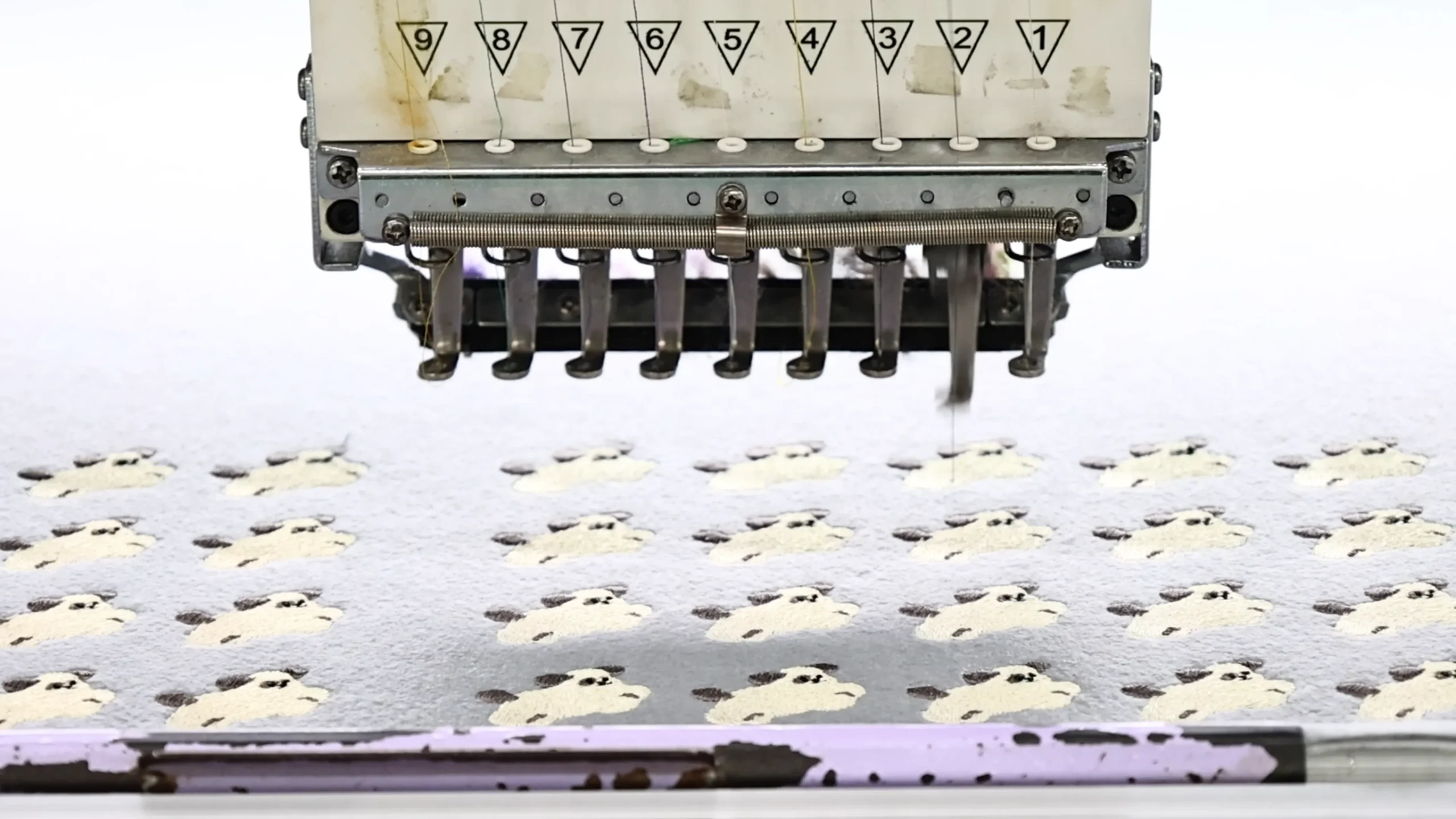
On the other hand, a multi head embroidery machine features multiple heads operating in parallel—commonly four, six, or even more—which drastically boosts your output capacity. A six-head machine, for example, can produce six identical patches simultaneously. At identical stitch speeds, this translates to a sixfold increase in production efficiency, making it ideal for larger batch runs. Nonetheless, this advantage comes with caveats: setup time for each design can be longer, and a machine malfunction on one head can lead to the entire unit pausing work. When selecting between single or multi head, balance your typical order size, turnaround commitments, and acceptable downtime. For many startups or creative artisans, a single head patch embroidery machine offers a lean, flexible solution. Meanwhile, seasoned businesses scaling bulk production will find the multi head configuration indispensable for meeting tight deadlines and optimizing labor costs.
Flexibility for Design Variety
Flexibility in design variety is another crucial factor when choosing between a single head embroidery machine and a multi head embroidery machine. With a single head embroidery machine, operators can seamlessly switch between diverse designs, thread colors, and hoop sizes without worrying about synchronizing multiple heads. This makes it easier to tackle bespoke patches—such as club logos, custom names, or elaborate motifs—one at a time, ensuring each piece receives meticulous attention. This flexibility extends to shape customization; you can hoop any uniquely sized fabric blank or backing without the constraints of uniform hoop fixtures across multiple heads.
Conversely, multi head embroidery machines excel in replicating a single patch design across multiple heads simultaneously, but they’re less nimble for varied designs within the same production run. If your order requires ten different designs in small quantities, you would need to re-hoop and reset all heads for each design change, which diminishes time savings on pure output. That said, if your business focus lies in high-volume runs of a single patch style—think school crests, corporate logos, or standardized badges—the multi head setup ensures design consistency and color accuracy across every unit. Ultimately, for maximum design variety with minimal setup time, a single head patch embroidery machine is unmatched. However, when uniformity and speed for one design are paramount, multi head machines provide a productive edge.
Space and Setup Requirements
Understanding your workshop’s footprint is vital when investing in an embroidery machine for patches. A single head embroidery machine typically occupies around 2 to 3 square feet of floor space, plus room for an operator’s station and material storage. It can often fit comfortably on a sturdy table or dedicated workstation. Due to its compact size, this setup is ideal for home-based businesses or small studios where real estate is at a premium. Power requirements are modest—most models run on standard 110–120V outlets—reducing the need for specialized electrical work.
Multi head embroidery machines, by contrast, require significantly more square footage. A six-head machine may span 6 to 8 feet in width, plus additional clearance for operator access, thread stands, and maintenance access. You’ll also need to ensure your facility can handle increased electrical load and proper ventilation to disperse heat generated during extended runs. Setup time for a multi head unit can be more involved: aligning multiple heads, calibrating tension across all stations, and organizing color sequences often necessitates extra threading stands and a larger inventory of bobbins. If your workspace can comfortably accommodate a larger machine footprint and you anticipate high-volume production, the benefits of a multi head configuration outweigh its spatial demands. Otherwise, a compact single head patch embroidery machine offers a streamlined, space-efficient alternative.
Maintenance and Upkeep Considerations
Regular maintenance is the backbone of consistent output and longevity for any embroidery machine for patches. Single head embroidery machines generally have fewer mechanical components—one needle bar, one hoop clamp, and a single motor—making routine tasks like oiling, tension checks, and needle replacements straightforward. Downtime for servicing is minimal, as you only need to focus on one head at a time. Beginners often find these machines less intimidating to maintain, and spare parts are more widely available, translating to faster repairs and reduced operational gaps.
Multi head embroidery machines increase the complexity of upkeep. With multiple needle bars, synchronized motors, and a more intricate thread tensioning system, maintenance tasks multiply across each head. Time invested in cleaning lint, changing needles, and calibrating tension must be repeated head by head, which can extend service intervals significantly. Moreover, a failure in one head—whether it’s a motor hitch, thread break sensor fault, or timing issue—can immobilize the entire machine. Proactive preventive maintenance is critical: adopting a strict schedule for lubrication, sensor cleaning, and firmware updates will minimize unexpected breakdowns. While multi head machines demand a higher level of technical oversight, the payoff is sustained high-volume production. Whether you opt for a single head or multi head patch embroidery machine, factor in the time and expertise required for upkeep to ensure continuous, reliable operation.
Integration with Digital Embroidery Software
Choosing a patch embroidery machine that seamlessly integrates with your digital workflow is crucial for design precision and operational efficiency. Single head embroidery machines often come bundled with user-friendly software suites that allow direct import of common file formats (such as DST, PES, or EXP) and real-time stitch preview. This setup is ideal for smaller shops or hobbyists who appreciate an intuitive interface for tweaking stitch density, color sequencing, and underlay types. Adjustments can be made on the machine’s onboard touchscreen or at a computer station, granting ultimate control over one-off patches and proofing before production.
Multi head embroidery machines demand more robust software integration to coordinate design distribution across multiple heads. Advanced embroidery management systems support features like networked machine control, queue prioritization, and batch import of design files, which enable you to set different color runs, stitch counts, and thread palettes for each head in one job. Some platforms even offer remote monitoring—sending notifications if a thread breaks or a hoop misaligns—helping you manage large-scale runs with minimal hands-on intervention. Additionally, cloud-based solutions facilitate design sharing between operators, ensuring everyone works from the same updated templates. Whether you choose a single head patch embroidery machine for straightforward design edits or a complex multi head setup that leverages enterprise-level software, ensure your digital embroidery software accommodates your production volume and technical expertise to maintain a smooth, end-to-end workflow.
Customer Support and Warranty Services
After-sales support is a critical factor in selecting any embroidery machine for patches. Manufacturers of single head embroidery machines often provide comprehensive support packages tailored to small business owners and hobbyists. These typically include phone or email assistance, online knowledge bases, and occasional on-site service visits. Warranty periods range from one to two years, covering major components like motors, electronic boards, and tension sensors. Access to authorized service centers or certified technicians ensures swift repairs, helping you avoid prolonged downtime on single-head projects.
For multi head embroidery machines, customer support becomes even more pivotal due to the system’s complexity and higher cost. Leading manufacturers offer tiered service agreements: basic warranties cover essential parts and labor, while premium plans include preventive maintenance visits, priority repair service, and even loaner machines during lengthy repairs. Some service contracts also include training sessions or certification courses for your staff, ensuring they can diagnose common issues—like thread break detection or timing belt adjustments—before calling in technicians. When evaluating warranty offerings, compare coverage terms, response times, and the availability of spare parts for both single head and multi head patch embroidery machines. A robust support network not only safeguards your investment but also keeps your production lines running smoothly, protecting your bottom line in the long term.
Conclusion: Making the Informed Choice
Selecting between a single head and a multi head patch embroidery machine ultimately hinges on your production needs, workspace constraints, and long-term business goals. Single head machines excel in flexibility, ease of maintenance, and low initial investment.
Multi head machines deliver unmatched volume and consistency but require more space, higher upkeep, and advanced software integration. Assess your typical order sizes, design variety, and customer turnaround expectations to make the choice that elevates your embroidery business.
Frequently Asked Questions (FAQ)
1. What is the main difference between a single-head and a multi-head embroidery machine?
Single-head machine: One needle bar and one hoop placeholder. Produces one patch at a time. Ideal for custom, intricate, or small-batch designs.
Multi-head machine: Multiple heads (4, 6, or more) operating in parallel. Produces multiple identical patches simultaneously. Ideal for high-volume bulk orders.
2. Which machine is better for a home-based or small embroidery business?
A single-head embroidery machine is generally better for home-based or small businesses. It offers:
Lower initial cost
Compact size (2–3 sq ft)
Easy maintenance
Flexibility to switch between different designs quickly
Standard 110–120V power requirements
3. How much faster is a multi-head machine compared to a single-head?
A six-head machine can produce six identical patches at the same time. At identical stitch speeds (e.g., 800 stitches per minute), this represents a sixfold increase in output efficiency. However, setup time for design changes is longer, and a malfunction on one head may pause the entire unit.
4. What are the space and power requirements for each type?
| Machine Type | Space Required | Power |
|---|---|---|
| Single-head | 2–3 sq ft | Standard 110–120V outlet |
| Multi-head (6-head) | 6–8 ft wide + clearance | May require dedicated circuits or 220V |
Multi-head machines also need better ventilation and more thread/bobbin storage.
5. Which machine offers more design flexibility?
Single-head machines offer superior design flexibility. You can easily switch between different designs, thread colors, hoop sizes, and fabric types without synchronizing multiple heads. This makes them ideal for bespoke patches, custom names, club logos, or small batches of varied designs.
Multi-head machines excel at replicating a single design across many pieces with perfect consistency, but are less efficient when multiple different designs are needed in one production run.
6. Is maintenance more difficult on a multi-head machine?
Yes. Multi-head machines have more mechanical components (multiple needle bars, motors, tension systems). Maintenance tasks must be repeated on each head, extending service time. A failure in one head can immobilize the entire machine.
Single-head machines are simpler to maintain, with fewer parts and widely available spares, making them more beginner-friendly. Proactive preventive maintenance is essential for both types to ensure long-term reliability.
