

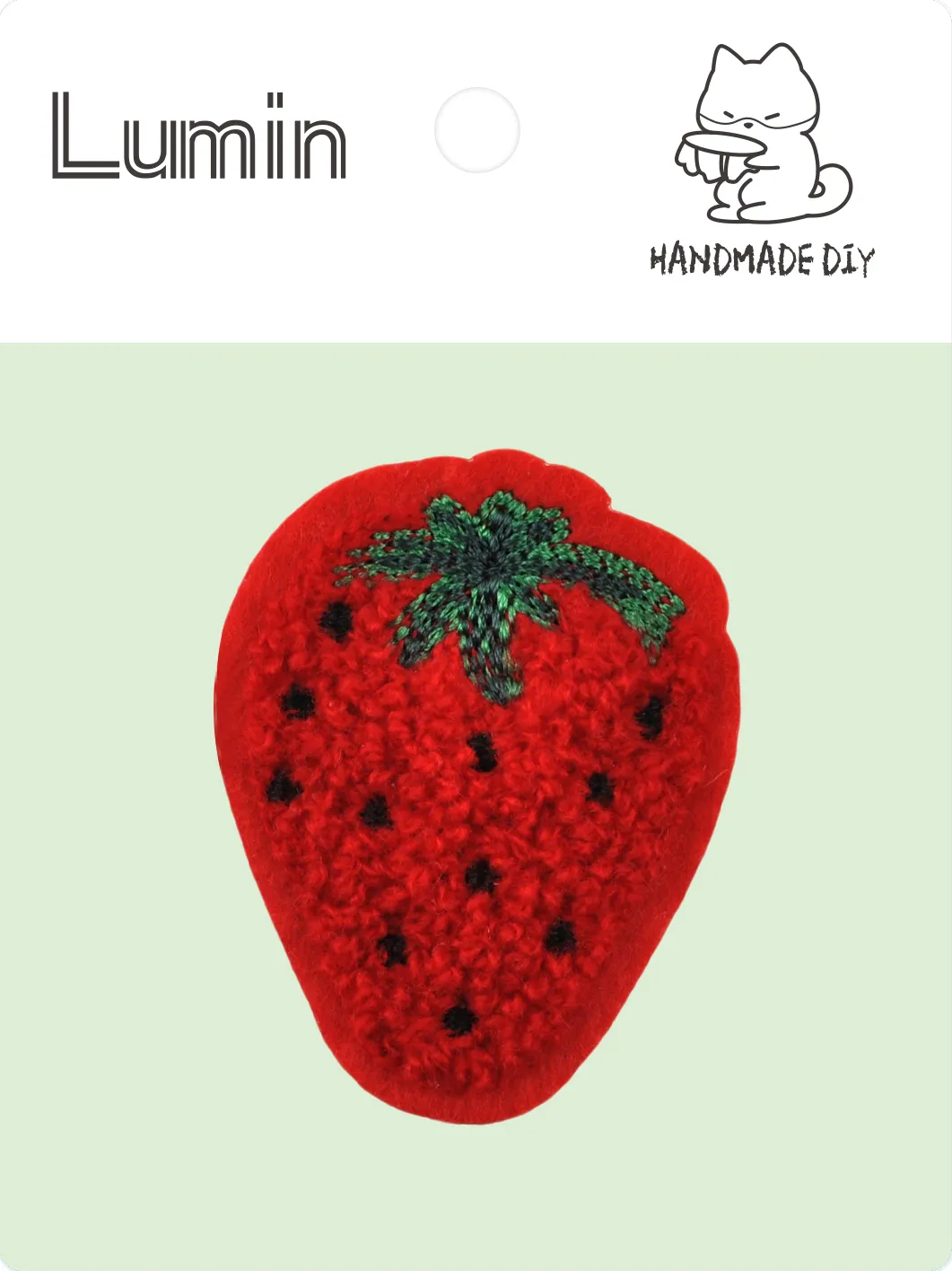
Mastering Creativity: Top Embroidery Patch Machine Picks and Solutions
In a world where personal expression and customization reign supreme, the art of embroidery has found its renaissance. Embroidery patch machines have become indispensable tools for hobbyists and professionals alike, transforming mere pieces of fabric into vibrant canvases of imagination. But with a myriad of options on the market, how do you select the perfect tool to suit your creative needs? The journey to mastering creativity begins with the right equipment, and this guide is here to unravel the complexities of choosing the best embroidery patch machine for your unique projects.
Imagine crafting intricate designs that capture not just your vision but also the admiration of others. This is the promise that awaits when you align your artistic goals with the ideal machine. From understanding the nuances of different models to deciphering the technical jargon, we bring you insights that go beyond basic reviews. Whether you’re stitching for pleasure or profit, our curated selection and expert solutions are designed to equip you with the knowledge and confidence needed to elevate your craft. Let’s navigate this vibrant world of embroidery together, one stitch at a time.
Key Features to Consider When Choosing an Embroidery Patch Machine
When selecting an embroidery patch machine, several core features will determine your overall experience and the quality of your final creations. First and foremost, consider the machine’s hoop capacity and frame size. A larger hoop allows for bigger or multiple patches in one run, saving time and ensuring consistency across batches. For hobbyists working on smaller projects, a compact hoop may suffice, but professionals often benefit from a versatile hoop system that accommodates various patch dimensions.
Next, evaluate stitch speed and stability. High stitch-per-minute (SPM) rates boost productivity, especially when producing numerous patches for clients or events. However, speed should not come at the expense of precision—look for machines with robust servo motors and reinforced frames to minimize vibration and maintain stitch accuracy at high speeds. Additionally, features like automatic thread trimming, tension control, and user-friendly touchscreen interfaces can streamline workflow, reduce manual adjustments, and cut down on trial-and-error setups. Finally, connectivity options—such as USB ports, Wi-Fi, or direct PC linkage—greatly simplify design transfers and on-the-fly edits, making them invaluable for both novice and seasoned embroidery enthusiasts.
Top-Rated Embroidery Patch Machines for Hobbyists
For hobbyists seeking a balance of affordability, user-friendliness, and creative flexibility, these top-rated embroidery patch machines excel. Each model offers intuitive controls and compact footprints ideal for home studios.
Below, explore three standout machines that cater to casual embroiderers, crafters, and DIY enthusiasts ready to bring their patch designs to life.
Brother PE800 Embroidery and Sewing Machine
The Brother PE800 is celebrated among hobbyists for its 5″ x 7″ embroidery field that accommodates versatile patch sizes—perfect for jackets, hats, and tote bags. Its 138 built-in designs and 11 embroidery lettering fonts jumpstart creativity without requiring external software. A bright, backlit 3.2″ LCD touchscreen lets you preview, resize, rotate, and position designs with precision, streamlining the workflow from concept to completion.
Performance-wise, the PE800 runs at up to 650 stitches per minute, striking a fine balance between speed and quality. The built-in needle plate with a sensor for thread breaks and lower thread detection reduces downtime and ensures clean, professional-looking patches. While the machine lacks multiple-needle functionality, its single-needle setup keeps operation straightforward for hobbyists. USB connectivity allows you to import additional embroidery designs, expanding your library and customizing patches to match any theme or color scheme.
Ergonomics and support also make the PE800 a top pick. The detachable embroidery arm and extension table provide comfortable stitching space, while Brother’s extensive video tutorials and customer service empower new users to troubleshoot with ease. For those within the household budget who want reliability and a gentle learning curve, the Brother PE800 stands out as an exceptional embroidery patch machine for amateur creators.
Singer Legacy SE300 Embroidery Machine
The Singer Legacy SE300 merges sewing and embroidery capabilities, offering a 6.5″ x 4″ embroidery area specifically tailored for patch creation. Its standout feature is the robust color touchscreen, which displays high-resolution previews of your designs. With 138 built-in patterns and 21 embroidery fonts, you can effortlessly craft monogrammed patches or graphics-based designs without additional software.
Under the hood, the SE300 operates at speeds up to 650 stitches per minute and features an advanced needle threader, which significantly reduces manual threading time. Its automatic tension control ensures balanced stitches across various fabric types—critical when working on thick denim or stretchy materials for patches. The machine’s memory function lets you save custom edit sequences, making repeat production runs both efficient and consistent.
Beyond the hardware, Singer’s supportive ecosystem elevates the SE300’s appeal. The accompanying software suite facilitates direct connection via USB, allowing you to import .PES design files and tweak colors on the fly. A sturdy frame construction minimizes vibration, ensuring crisp, clean edges on every patch. For hobbyists who value a machine that combines general sewing utility with dedicated embroidery prowess, the Singer Legacy SE300 remains a top contender in the entry-level patch-making arena.
Janome MB-4S Four-Needle Embroidery Machine
The Janome MB-4S brings four-color embroidery capability to the tabletop, making it a powerhouse for hobbyists ready to level up. This multi-needle machine eliminates frequent thread changes by housing up to four pre-threaded cones, enabling smooth color transitions for complex patch designs. A generous 7.9″ x 7.9″ workspace accommodates most patch sizes, while the lightweight yet sturdy aluminum body ensures stability during runs.
Speed is a hallmark of the MB-4S: it can deliver up to 1,000 stitches per minute, significantly reducing production time for batch projects. Its stitch regulation system guarantees consistent stitch lengths even at high speeds, crucial for maintaining uniformity across patch sets. The built-in LCD display and navigation buttons allow for design selection, color order changes, and file transfers without requiring an external computer once designs are uploaded via USB.
Janome’s software compatibility takes the MB-4S from capable to creative. While the machine accepts .JEF format natively, optional digitizing software offers full design editing, from resizing to adding underlay stitches and adjusting density for different patch backings. For hobbyists who envision evolving from single-color motifs to full-color artistry, the MB-4S represents a robust, expandable embroidery patch machine that bridges the gap between casual crafting and semi-professional production.
Professional-Grade Embroidery Patch Machines: A Comparative Analysis
When patch production scales up, investing in a professional-grade embroidery patch machine becomes essential. These heavy-duty units offer multiple needles, expanded hoop options, and advanced automation features to handle high-volume orders with precision. In the sections below, we compare three industry-leading machines to help you determine which aligns with your business demands.
We’ll examine their speed, hoop versatility, software ecosystems, maintenance requirements, and total cost of ownership to guide your decision.
Tajima TFMX Series
Tajima’s TFMX line epitomizes professional embroidery performance, featuring up to 12 needles and a large 16″ x 16″ frame. Designed for high-speed production, the TFMX can operate at 1,000 to 1,200 stitches per minute, thanks to its servo motor-driven system that minimizes noise and power consumption. The multi-needle configuration allows seamless color changes, significantly reducing downtime between thread swaps for intricate patches.
Hoop versatility is a hallmark of the TFMX series, offering both tubular and pauleen frames to accommodate hats, bags, and flat patches. Tajima’s COMM/TT controllers feature advanced taper compensation algorithms to maintain stitch density on curved surfaces, ensuring crisp, uniform designs regardless of substrate thickness. The machines integrate with Tajima’s Pulse software, which provides comprehensive digitizing tools for custom shapes, lettering, and automated appliqué processes.
Maintenance on the TFMX is streamlined by accessible lubrication points and modular parts for quick replacement. Although the initial investment is high—often in the tens of thousands—the productivity gains, durability, and service network justify costs for established embroidery businesses. If you require top-tier speed, multi-color capabilities, and robust after-sales support, the Tajima TFMX series stands as a premier choice for professional-grade patch manufacturing.
Barudan BEKY Series
Barudan’s BEKY series combines reliability with ease of use, offering models with 6 to 12 needles and hoop sizes up to 19.7″ x 14.2″. Known for its stable stitching platform, the BEKY series employs a unique drive mechanism that reduces vibration and ensures accurate stitch placement—even at its maximum 1,200 stitches-per-minute rate. Industrial-strength components and a reinforced chassis make it ideal for continuous operation in factory-like settings.
The BEKY controller boasts an intuitive GUI and supports multiple file formats, including DST and EXP, for seamless integration with various digitizing software solutions. Barudan’s automated thread tension system adjusts on the fly for different thread types and fabric weights, eliminating manual tension tweaks between runs. This feature is especially valuable when switching from delicate satin patches to heavy canvas designs in a single production cycle.
Preventive maintenance is facilitated by Barudan’s centralized lubrication pathways and easily swappable needle bars. The long-term costs are moderated by the machine’s durability and low downtime, which translate into high throughput and consistent output quality. For textile entrepreneurs seeking a balance of advanced features and operational resilience, the Barudan BEKY series offers a compelling professional-grade embroidery patch machine solution.
SWF Ricoma EMB Series
SWF’s Ricoma EMB series merges affordability with industrial features, presenting 6- to 12-needle configurations and a workable hoop range up to 16″ x 19″. Operating speeds up to 1,200 stitches per minute are matched by an anti-vibration design that yields precise, uniform stitches. Ricoma emphasizes user-friendly controls: its touchscreen controller simplifies file management, hoop calibration, and thread color mapping in a few taps.
One standout advantage is Ricoma’s open-platform philosophy. The EMB series accepts standard embroidery file formats and pairs with popular third-party software like Wilcom and Hatch, granting businesses flexibility in digitizing workflows without vendor lock-in. The machines come with built-in diagnostic tools that monitor motor current and head temperature, alerting operators to potential issues before they become costly failures.
Routine upkeep is straightforward thanks to easily accessible lubrication points and a modular head design. Ricoma’s competitive pricing and direct-to-consumer model further reduce total cost of ownership, making the EMB series ideal for startups and growing enterprises. When you need professional-grade reliability combined with budget-conscious scalability, the SWF Ricoma EMB series strikes an appealing balance.
Embroidery Software Solutions: Enhancing Your Design Capabilities
Even the best embroidery patch machine relies on robust software to realize design potential. Modern digitizing and editing applications streamline workflow, automate complex stitch patterns, and provide seamless file transfers to your hardware. Below, we highlight three leading software solutions that integrate smoothly with top embroidery patch machines.
From advanced vector digitizing to user-friendly stitch editing, these tools cater to both beginners and seasoned digitizers.
Wilcom Embroidery Studio
Wilcom Embroidery Studio sets the industry standard for professional digitizing software. Its comprehensive toolset includes auto-digitizing features that convert vector art (AI, EPS) into stitch-ready designs, with customizable underlay, density, and compensation settings for precise patch outlines. The software’s Art Licensing option allows businesses to manage and control design usage, crucial for enterprises handling client-owned artwork.
Advanced capabilities such as ‘Stitch Sculpting’ let you edit individual stitch angles and lengths, ensuring accurate rendering on diverse fabrics. Wilcom’s Color Blending function creates realistic shading effects using multiple thread tones, perfect for photographic or gradient-style patches. The software also offers optimized workflow features: batch processing automates format conversions, and the interactive ‘Smart Hooping’ function suggests the best hoop size and placement to maximize material usage.
Integration with most embroidery patch machines is seamless via direct machine links or USB transfers. While the learning curve can be steep for newcomers, Wilcom provides extensive tutorials, certification courses, and responsive technical support. For high-volume professionals demanding the utmost control over every stitch, EmbroideryStudio delivers unparalleled precision and productivity.
Hatch Embroidery Software
Hatch by Wilcom brings professional-grade digitizing to hobbyists and small businesses with a more accessible interface and tiered pricing. It offers modules for digitizing, lettering, monogramming, and watermarks, enabling users to start simple and upgrade as their skills grow. The ‘Block & Auto-Digitize’ feature quickly transforms basic shapes into stitch files, while the ‘Manual Digitizing’ mode provides full control over every stitch path.
The software’s preview window simulates the final patch appearance on various fabric backgrounds, helping you verify color choices and stitch density before running the machine. Built-in tutorials, video guides, and an active user community ensure a supportive learning environment. Hatch also supports multiple file exports, including DST, PES, and EXP, guaranteeing compatibility with virtually any embroidery patch machine on the market.
Real-time design resizing automatically recalculates stitch density, preventing issues like thread breaks or puckering when scaling your patches up or down. For those seeking a balance between power and usability, Hatch offers a compelling solution to elevate your patch-making process without overwhelming complexity or cost.
Embrilliance Essentials
Embrilliance Essentials is prized for its straightforward approach, making it ideal for beginners and intermediate users looking to combine editing and simple digitizing. Essentials includes key features like stitch editing, resizing with auto-density adjustment, and color separation for multi-color patches. A unique attribute is its modular licensing: you can purchase the Core module and add plugins such as AlphaTricks for advanced lettering or Enthusiast for more design tools.
The software supports real-time previews with jump stitch removal and trim commands, enabling you to refine patch designs before stitching. File management is intuitive: drag-and-drop import, on-screen design layout, and direct export to various machine-readable formats. Embrilliance also integrates with major platforms on both macOS and Windows, ensuring broad hardware compatibility.
While it lacks some high-end digitizing bells and whistles, Embrilliance Essentials shines in its reliability, speed, and affordability. Its gentle learning curve and responsive support community make it a go-to choice for stitchers ready to push creative boundaries without diving into overly complex interfaces.
Embroidery Patch Machine Accessories You Need for Optimal Performance
To achieve professional-quality patches, your embroidery patch machine needs the right accessories. Proper tools enhance workflow efficiency, improve stitch accuracy, and extend machine life. Below are must-have accessories that every embroiderer—hobbyist or pro—should consider.
From stabilizers to specialty hoops, these add-ons can make the difference between mediocre results and polished, market-ready patches.
Stabilizers and Backings
Stabilizers are foundational to successful patch embroidery. They prevent fabric distortion, thread pucker, and misaligned stitches during production. Tear-away stabilizers work well for stable fabrics like denim or felt, allowing you to easily peel away excess once stitching is complete. Cut-away stabilizers offer stronger support for stretchy or loosely woven materials, embedding permanently beneath the patch to maintain shape and durability over time.
For specialty patches—such as metallic-thread designs or high-density fills—water-soluble stabilizers provide a clean finish by dissolving away completely in water, leaving no residue. Heat-adhesive backings simplify placement by temporarily bonding the patch to the garment, ensuring consistent alignment across multiple runs. Investing in a variety of stabilizer types tailored to your project’s fabric and design complexity is essential for crafting crisp, professional embroidery patches.
Embroidery Hoops and Frames
Hoop selection directly impacts design accuracy and fabric tension. Standard plastic hoops suit most small to medium patches, while heavy-duty metal frames deliver superior stability for larger, high-speed jobs. Look for interchangeable hoop sets that match your machine’s multi-needle configuration, allowing quick changes between different patch sizes without re-tensioning each time.
Magnetic hoops are an emerging innovation, offering rapid fabric clamping without screw adjustments. They reduce setup time and minimize distortion risk when handling delicate or stretchy materials. For cylindrical items like hats or sleeves, specialized cap and sleeve frames keep fabric taut and stationary. By customizing your hoop arsenal, you’ll streamline production and maintain consistent tension across diverse patch applications.
High-Quality Thread and Bobbins
Thread selection is as critical as machine performance. Polyester and rayon threads are industry standards for patches, delivering vibrant color, sheen, and excellent tensile strength. Polyester excels in outdoor durability and colorfastness, while rayon offers a silky finish for decorative designs. Invest in reputable brands that provide consistent thread thickness and dye lots to avoid shade variations across batches.
Equally important are pre-wound bobbins compatible with your embroidery patch machine’s bobbin case. High-capacity pre-winds reduce the frequency of bobbin changes during large runs, maintaining even bobbin tension and preventing thread jams. Keep a variety of bobbin colors on hand—white, black, and neutral tones—to match backing fabrics and minimize unsightly thread peeking through your patch backing. Quality thread and bobbins form the backbone of any reliable patch-making setup.
Project Inspiration: Creative Ideas to Try with Your Embroidery Patch Machine
Your embroidery patch machine can produce far more than logo and uniform patches. With creativity and the right techniques, you can design personalized accessories, home décor items, and marketing pieces that stand out. Below are inspirational projects to spark your next embroidery adventure.
From wearable art to branded merchandise, these ideas leverage your machine’s capabilities to craft unique, high-impact patches.
Custom Patches for Apparel
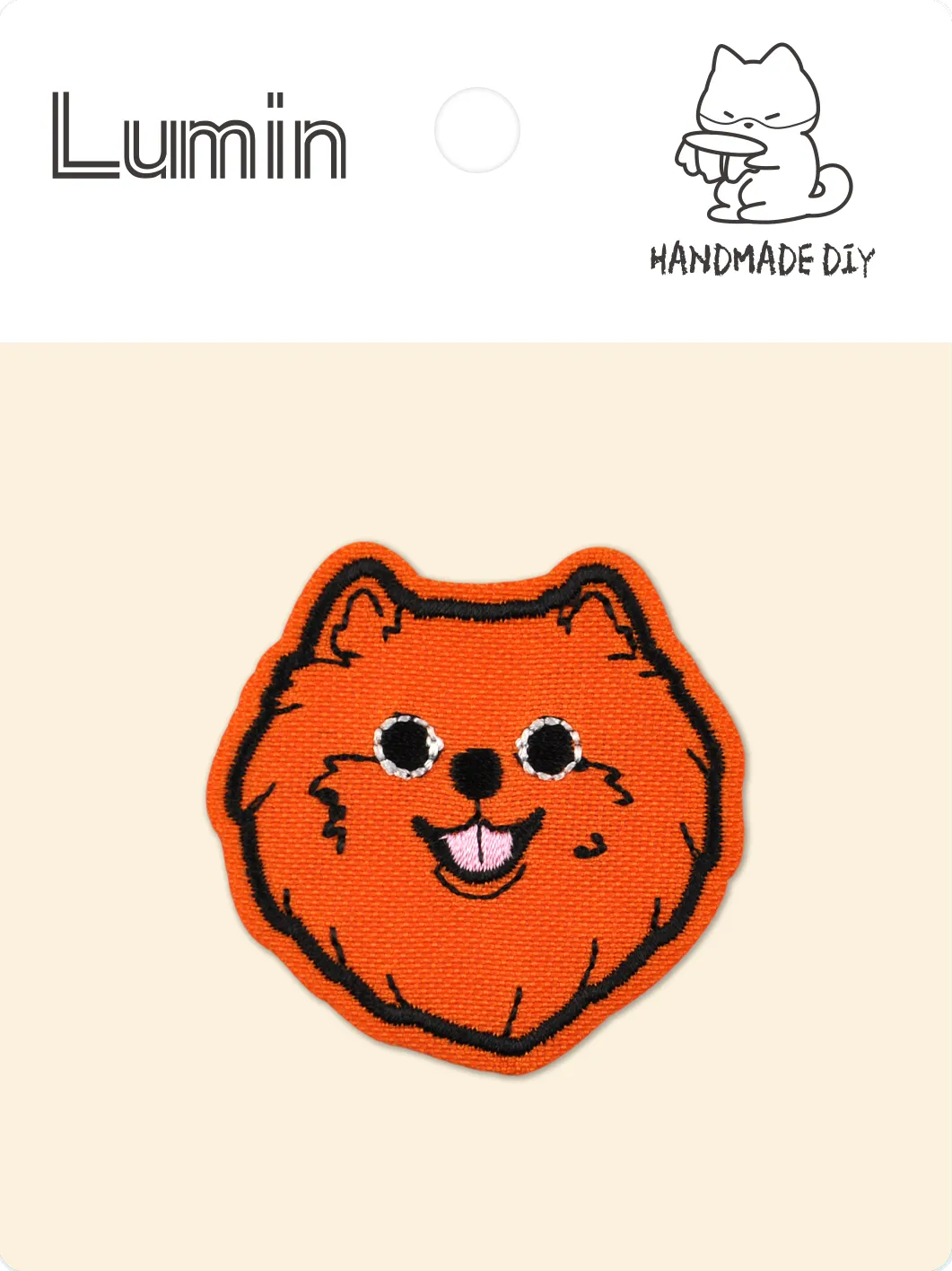
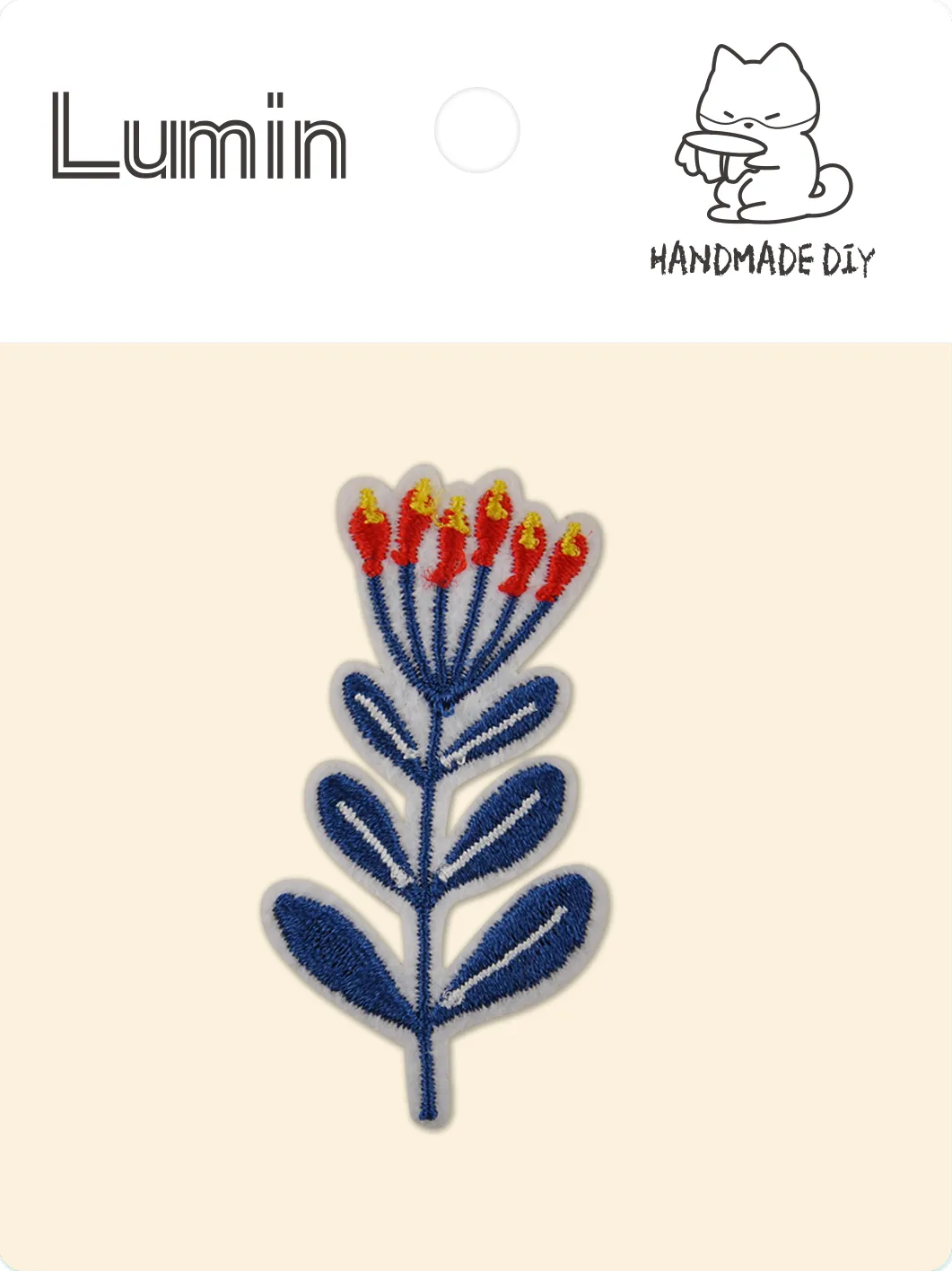
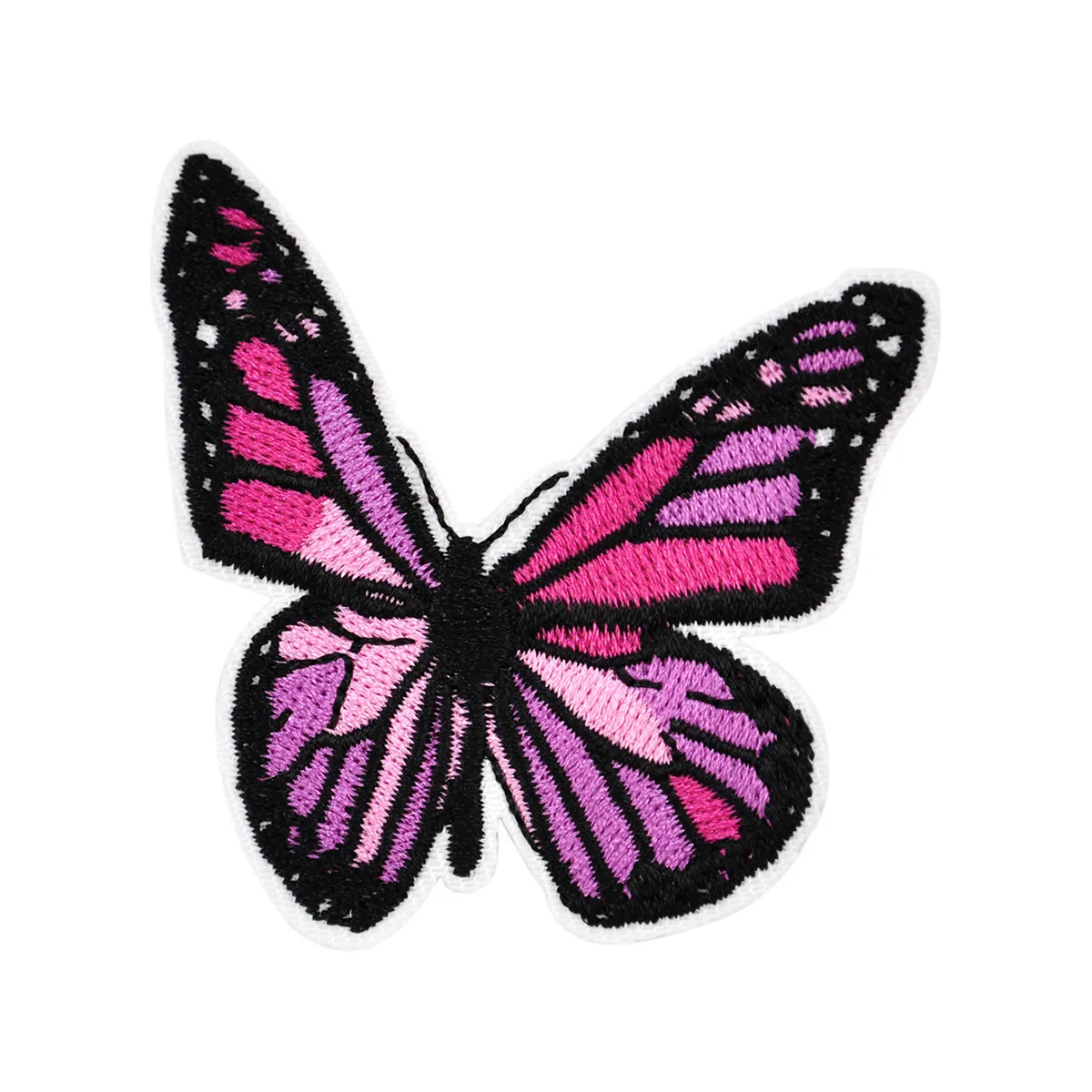
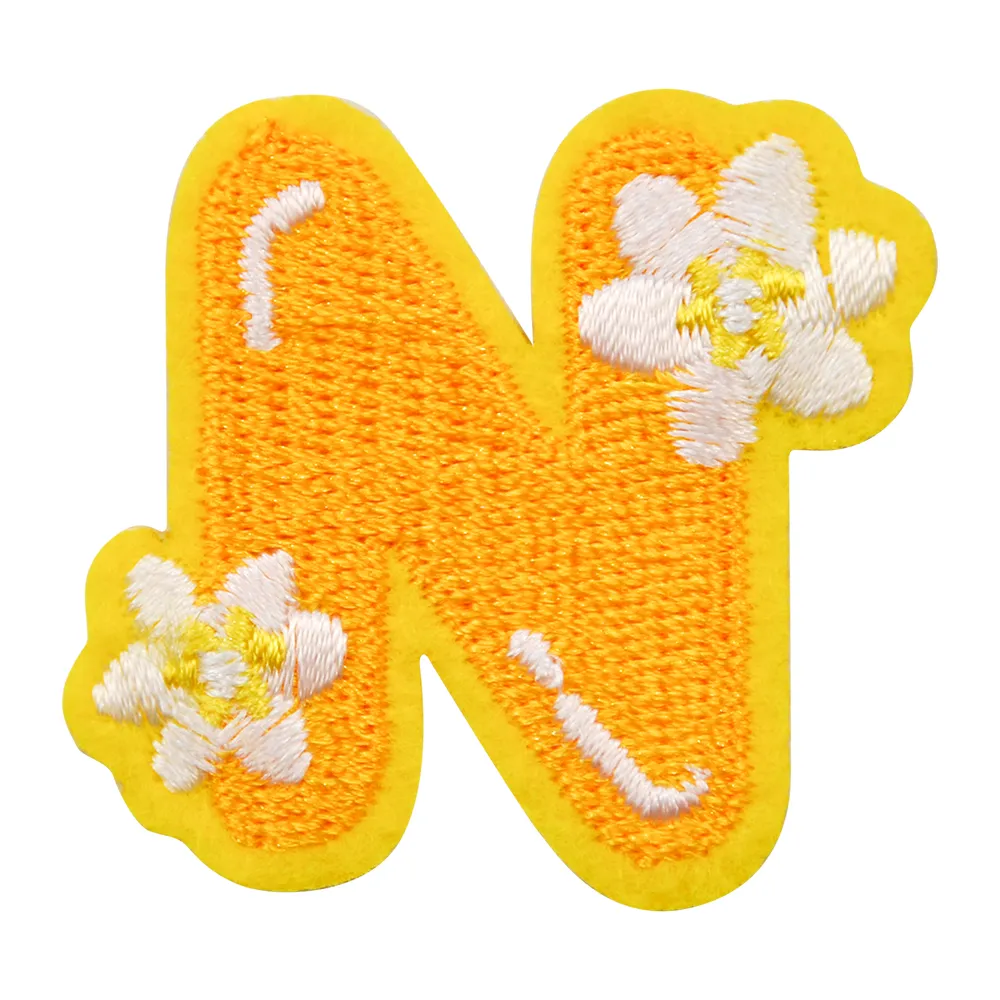
Personalized clothing patches are a timeless way to express individual style. Design niche-themed patches—such as botanical motifs, fandom emblems, or motivational quotes—and attach them to denim jackets, backpacks, or hats. Use metallic and glow-in-the-dark threads for standout effects that catch the eye, or experiment with appliqué techniques to layer fabrics and add texture. For a professional finish, apply heat-seal backing to create iron-on convenience for your customers or friends. By combining custom shapes, vibrant color palettes, and specialty stitches, you can transform ordinary garments into statement pieces that resonate with your audience.
Consider collaborating with local artists or influencers to co-create limited-edition patch collections. This approach not only expands your creative horizons but also enlarges your market reach. Seasonal designs—like holiday-themed or festival-centric patches—offer timely sales opportunities. As you refine your digitizing and production workflows, you can produce small-batch runs or bulk orders to meet varying demand levels, making custom apparel patches a versatile and profitable project category.
Personalized Home Décor Accents
Embroidery patch machines aren’t limited to wearables. Create bespoke home décor by crafting decorative patches for throw pillows, blankets, and wall hangings. Floral wreath patches, monogrammed initials, or whimsical animal silhouettes can be stitched onto fabric panels and framed as art pieces. For a three-dimensional effect, use high-density stitching or padding underlay to make patches pop from the surface.
Another option is designing reusable coasters or placemats with embroidered corners or full-pattern patches. Incorporate thematic seasons—such as autumn leaves or spring florals—to refresh interior décor throughout the year. By mixing different fabric textures like burlap, linen, and cotton blends, you can achieve a sophisticated contrast that elevates everyday items into standout décor accents. Home décor patches offer endless customization possibilities, allowing you to adapt to trends and personal tastes.
Branded and Promotional Merchandise
Businesses and organizations often seek unique promotional items that reinforce brand identity. Embroidered patches are ideal for this purpose: they’re durable, visually appealing, and versatile. Design logo patches for backpacks, tote bags, caps, or staff uniforms to boost brand visibility at events, trade shows, and networking functions. For nonprofits or community groups, create patches that celebrate mission milestones or fundraising campaigns, turning them into wearable keepsakes.
Limited-edition series—such as anniversaries, product launches, or regional chapters—can drive urgency and engagement. Offer bundle deals (e.g., buy a shirt + patch combo) to increase average order value. With an embroidery patch machine, you can scale production quickly, adjust designs based on feedback, and maintain consistent quality—key factors for successful promotional merchandise programs.
Conclusion: Mastering Your Craft with the Perfect Embroidery Patch Machine
Choosing the right embroidery patch machine is a pivotal step toward elevating your creative process, whether you’re a passionate hobbyist or a professional entrepreneur. From essential features like hoop size and stitch speed to advanced options such as multi-needle setups and digitizing software, each element plays a role in bringing your designs to life.
By exploring top-rated hobbyist models, comparing industrial-grade machines, leveraging powerful software, and investing in quality accessories, you’ll equip yourself for consistent, high-quality results. Let your newfound knowledge guide you toward projects that inspire and delight—transforming fabric and thread into art that stands out. Embrace the journey, and stitch your way to mastery with the perfect embroidery patch machine.
